Blue Economy
HORMUZ CRISIS: TRUMP ORDERS US NAVY TO ESCORT OIL TANKERS AS 3,200 VESSELS TRAPPED IN GULF

HORMUZ CRISIS: TRUMP ORDERS US NAVY TO ESCORT OIL TANKERS AS 3,200 VESSELS TRAPPED IN GULF
Iranian threats to burn passing ships spark global shipping paralysis; freight rates and insurance costs soar
By Okeoghene Onoriobe | Waterways News Correspondent | Lagos
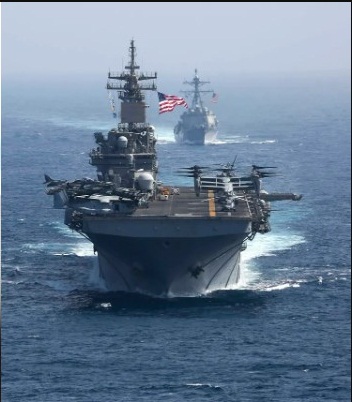
United States President Donald Trump has ordered the US Navy to begin escorting oil tankers through the strategically vital Strait of Hormuz, as a military conflict between the US-Israel coalition and Iran plunges global shipping into crisis and threatens energy flows to markets worldwide — including Nigeria and the wider African continent.
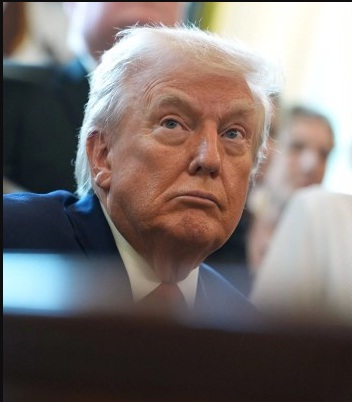
In a post on his Truth Social platform on Tuesday, Trump declared: “If necessary, the United States Navy will begin escorting tankers through the Strait of Hormuz, as soon as possible,” adding that the US would “ensure the FREE FLOW of ENERGY to the WORLD.” He also directed the US International Development Finance Corporation (DFC) to provide risk insurance and guarantees for all maritime trade in the region, a measure covering all shipping companies, not just energy vessels.



3,200 Vessels Stranded as Iran Closes the Strait
The crisis escalated dramatically after Iranian commanders declared the Strait of Hormuz closed and issued stark warnings that the Revolutionary Guards and the regular navy would “set those ships ablaze” if vessels attempted to transit. As of the latest count, some 3,200 ships remain trapped inside the Persian Gulf, representing roughly four per cent of global shipping tonnage. The figure includes 112 crude tankers, 114 containerships, and approximately 500 vessels waiting off the coasts of the UAE and Oman.
“If necessary, the United States Navy will begin escorting tankers through the Strait of Hormuz, as soon as possible” POTUS Donal Trump
The strait, which sits between Iran and Oman, is the only maritime outlet from the Gulf to the open oceans and is the artery through which the oil output of Iran, Saudi Arabia, Iraq, Kuwait, Qatar, Bahrain and the United Arab Emirates reaches world markets. Market analysts at Kpler described the situation not as a formal blockade but as “risk-driven paralysis,” noting that the strait normally handles 80 to 100 ship transits per day and carries roughly a fifth of global oil consumption. Bypass pipelines, they warned, lack the capacity to offset a sustained outage.
Freight Rates and Insurance Costs Surge
The market reaction has been severe. Very Large Crude Carrier (VLCC) freight rates shot to extraordinary levels on Monday, with the benchmark TD3C route from the Middle East to China quoted at $423,700 per day — an increase of over $205,000 from the previous day. Brokers cautioned, however, that confirmed fixtures at such levels were scarce.
War risk insurance has also become a critical concern. More than half of the world’s largest Protection and Indemnity (P&I) clubs have announced they will cease war risk cover for ships entering the Persian Gulf from 5 March, with automatic termination of protection for vessels transiting specified adjacent waters. The move is expected to sharply raise voyage costs and push shipowners to divert around the Cape of Good Hope, adding considerable time and expense to voyages.
Ships Damaged; Ports and Energy Infrastructure Struck
Iranian attacks have already inflicted real damage on the maritime and energy sectors. Clarksons Research reported at least six vessels damaged, including the Stena Imperative, Sea La Donna, Hercules Star, Ocean Electra, Skylight and MKD Vyom, alongside multiple strikes on ports and energy facilities. A strike on a Bahrain port on Monday killed one shipyard worker, injured two others and damaged a US-flagged tanker. US Secretary of State Marco Rubio has warned that the “hardest hits” on Iran are “yet to come,” with no indication of how long the military campaign will last.
LNG, LPG, Containers and Dry Bulk: A Sector-by-Sector Impact
Beyond crude oil, the crisis is destabilising multiple shipping segments. The Ras Laffan LNG terminal has gone offline, sending regional gas prices sharply higher and pushing short-term LNG carrier rates up by more than 20 per cent. LPG flows — about 30 per cent of which pass through Hormuz — face similar disruptions to both supply and freight.
Container shipping faces limited direct exposure through Hormuz, with only about two per cent of box trade transiting the strait. Nonetheless, the indirect impact is material: major lines including MSC have suspended all bookings to the Middle East until further notice. Rerouting around the Cape of Good Hope is expected to intensify port congestion in both Europe and Asia. Dry bulk shipping faces the least direct exposure, though secondary delays and congestion are anticipated.
What This Means for Nigeria and Africa
For Nigeria and other African oil importers, the Hormuz crisis carries significant implications. Oil and gas prices have already risen sharply in response to the conflict, and any prolonged disruption to Gulf supply would further tighten global energy markets and raise import costs. Nigerian refineries and power sector operators that depend on imported petroleum products could face higher procurement costs, while the prospect of global tanker diversion to the Cape route could affect vessel availability and freight rates on West African trade lanes.
Waterways News will continue to monitor developments in the Strait of Hormuz and their implications for Nigerian and West African maritime trade.