Security & Safety
LASWA, Pi-CNG Collaborate to Promote CNG-Powered Ferries on Lagos Waterways

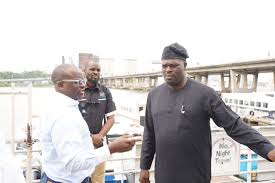

In a significant move towards sustainable water transportation, the Lagos State Waterways Authority (LASWA) on Tuesday, July 9, 2025, convened a strategic meeting with stakeholders to discuss the adoption of Compressed Natural Gas (CNG) as an alternative fuel for ferries operating on Lagos inland waterways.
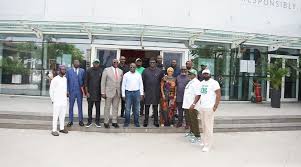
Held at LASWA’s headquarters in Ikoyi, the engagement session brought together representatives from the Presidential Initiative on Compressed Natural Gas (Pi-CNG), RIL Hydro Kraft Limited, ferry operators, and other key players in the marine and energy sectors.
The initiative is part of LASWA’s broader commitment to align Lagos’ water transport systems with the federal government’s clean energy agenda. Discussions focused on transitioning from petrol and diesel-powered engines to more environmentally friendly and cost-efficient CNG technology.
General Manager of LASWA, Mr. Oluwadamilola Emmanuel, emphasized the agency’s focus on reducing carbon emissions and operational costs while ensuring safety and efficiency in marine operations.



“Transitioning to cleaner energy sources is not optional—it is essential. CNG and electric ferries represent the future of water transport in Lagos, aligning with the state’s transportation vision,” Emmanuel said.
Leading the federal delegation, Engr. Michael Oluwagbemi, CEO and Project Director of Pi-CNG, highlighted the government’s strategy for expanding CNG use across all transportation modes, including marine. He noted the success of CNG adoption in road transport and assured stakeholders of federal support through favorable policies, technical assistance, and financing options.
Mr. Layi Solesi, CEO of RIL Hydro Kraft Limited, provided insights into the technical aspects of CNG marine conversion. His presentation covered engine compatibility, fueling infrastructure, safety protocols, and long-term economic benefits. He noted similar successful transitions in other coastal regions and expressed readiness to initiate pilot projects in Lagos.
While boat operators welcomed the initiative, they raised valid concerns around implementation—particularly regarding the cost of conversion, infrastructure availability, and maintenance. In response, LASWA and Pi-CNG officials assured them of a gradual, inclusive rollout plan, backed by continuous training, stakeholder engagement, and support programs.
The meeting marks a key step in Lagos’ journey toward a greener, safer, and more economically viable water transport system.