Security & Safety
Nigeria Among Five Countries with Highest Child Soldier Recruitment, UN Warns

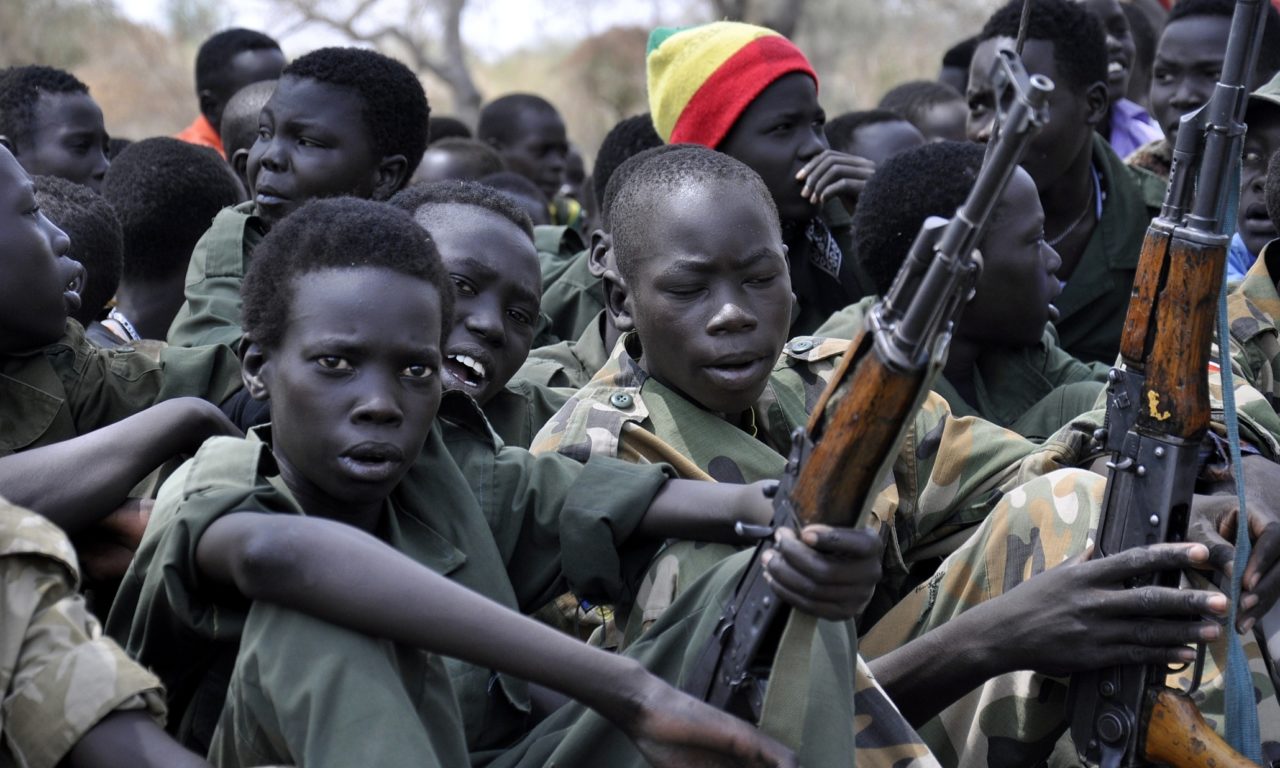
Nigeria has been listed among the five countries with the highest incidence of child recruitment into armed groups, according to the United Nations Special Representative for Children and Armed Conflict, Vanessa Frazier.
In an interview published on the UN website ahead of the International Day against the Use of Child Soldiers, Frazier revealed that Nigeria, alongside the Democratic Republic of the Congo, Somalia, Syria, and Myanmar, currently records the highest levels of child recruitment violations globally.


The UN official disclosed that in 2024 alone, over 7,400 children were recruited or used by armed forces and armed groups worldwide, describing this as “one of the gravest violations we face.” She emphasized that these figures represent only verified cases, suggesting the actual numbers could be significantly higher.
Nigeria’s inclusion on this list stems from over a decade of insurgent violence in the country’s northeast region, where Boko Haram and other armed groups have abducted and forcibly recruited thousands of children. The UN representative recounted her meetings with survivors of these abductions, painting a stark picture of the crisis.
“When you see a 13-year-old girl holding her baby, you understand how conflict robs children of their childhood,” Frazier said, referring specifically to Nigerian survivors she had encountered. “These are children who should have had their futures ahead of them.”
The UN official noted that the lasting effects of these experiences continue to devastate families and communities across Nigeria’s conflict-affected regions. She highlighted that girls who return from captivity often face additional trauma through community rejection, particularly those who return with children born during their captivity.
Frazier stressed that prevention through education remains critical, warning that children out of school become “far more vulnerable to recruitment, whether forced or coerced.”
Over the past three decades, the UN’s mandate on children and armed conflict has secured the release of more than 220,000 children from armed groups globally. Following release, UNICEF and partner organizations provide psychosocial support, education, and community rehabilitation to help survivors reintegrate into society.
The Special Representative emphasized that accountability and justice serve as crucial deterrents, pointing to ongoing prosecutions in domestic courts and at the International Criminal Court.
“Children should never be treated as collateral damage of war,” Frazier concluded. “Protecting them is not optional—it is essential to building a peaceful and sustainable future.”