Business
Nigeria Imposes Six-Month Ban on Raw Shea Nut Exports to Boost Local Processing

Nigeria Imposes Six-Month Ban on Raw Shea Nut Exports to Boost Local Processing
President Bola Ahmed Tinubu has approved a six-month temporary ban on raw shea nut exports, effective immediately, to curb informal trade and strengthen Nigeria’s domestic processing capacity.
The policy aims to transform Nigeria’s position in the global shea market, with projections to generate approximately $300 million annually in the short term through value-added processing rather than raw material exports.

Vice President Kashim Shettima announced the directive Tuesday during a multi-stakeholder meeting at the Presidential Villa, emphasizing that the measure represents “a pro-value addition policy designed to secure raw materials for our processing factories.”


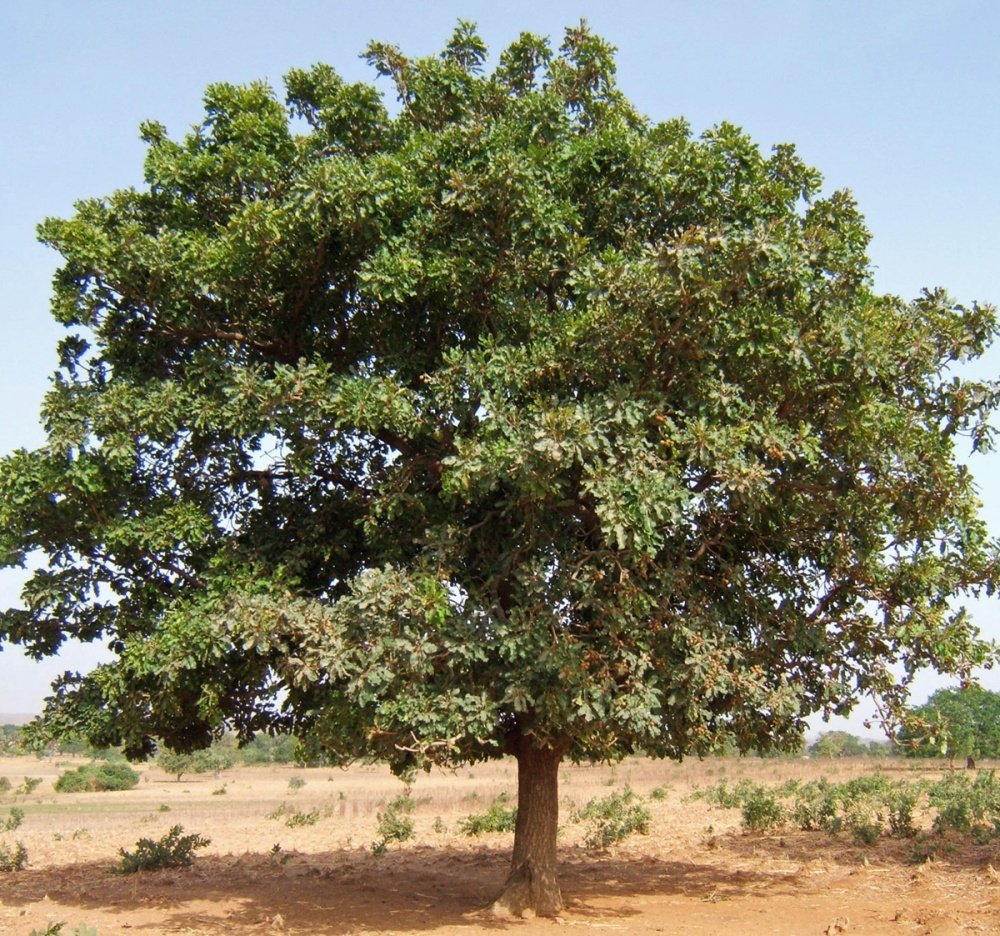
The ban targets Nigeria’s underutilization of its dominant position in global shea production. Despite producing nearly 40% of the world’s shea nuts, the country captures less than 1% of the $6.5 billion global market.


“This is unacceptable,” Shettima stated, projecting a 10-fold increase in earnings by 2027 as Nigeria transitions from raw material exporter to supplier of refined shea butter, oil, and derivatives.
The Vice President confirmed that President Tinubu, currently in Brazil, has secured agreements for prioritized access to Brazilian markets for Nigerian shea products within three months.
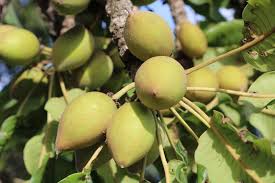

Minister of Agriculture and Food Security Senator Abubakar Kyari highlighted critical inefficiencies in the current system. Nigeria produces an estimated 350,000 metric tonnes of shea annually across 30 states, with potential to reach 900,000 metric tonnes.
However, over 90,000 metric tonnes are lost annually through informal cross-border trade, while domestic processors operate at only 35-50% capacity despite national installed capacity of 160,000 metric tonnes.
“Regional neighbors including Ghana, Burkina Faso, Mali, and Togo have already imposed restrictions to protect their industries, leaving Nigeria as an outlier and hotspot for opportunistic buying,” Kyari explained.
The policy carries significant gender implications, as 90% of shea pickers and processors are women. Officials positioned the ban as protecting livelihoods and creating opportunities for millions of rural women.
“By protecting the shea industry, we are protecting livelihoods, dignity and opportunity for millions of our women,” Shettima emphasized, aligning with the administration’s women empowerment initiatives.
With over five million hectares of wild-growing shea trees, Nigeria possesses natural advantages for both production and value-added processing. The shea sector features prominently in the government’s Zero Oil Plan as a strategic non-oil export.
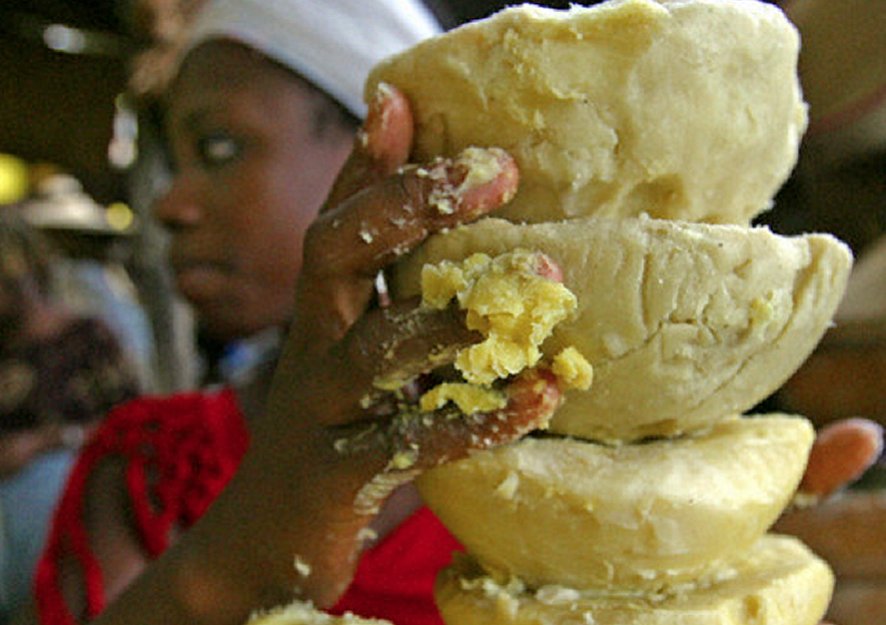

The global shea market is projected to grow from $6.5 billion currently to $9 billion by 2030, positioning Nigeria to capture significant market share through processed products rather than raw materials.
The temporary ban, subject to review upon expiration, represents a coordinated effort between federal and sub-national governments to transform Nigeria’s role in global shea trade from raw material supplier to value-added processor.
Assessment data from over 2,000 pickers and 65 processors supported the urgent need for intervention to prevent Nigeria from becoming merely a “raw depot for opportunistic and illicit buyers.”