
Blue Economy
Nigeria Seals £746m UK Deal to Overhaul Apapa, Tin Can Ports in Biggest Maritime Upgrade in Half a Century


Nigeria Seals £746m UK Deal to Overhaul Apapa, Tin Can Ports in Biggest Maritime Upgrade in Half a Century
By Okeoghene Onoriobe, News Correspondent | Waterways News, Lagos
Nigeria has secured a landmark £746 million financing agreement with the United Kingdom to completely overhaul the Lagos Port Complex Apapa and the Tin Can Island Port Complex — the most ambitious port modernisation programme the country has seen in nearly 50 years.
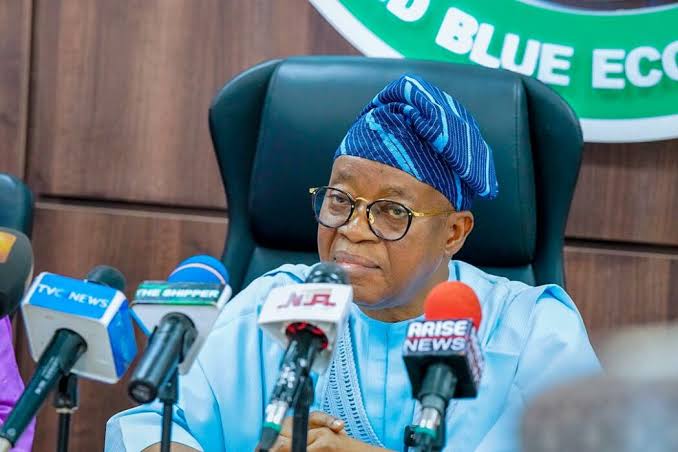
Minister of Marine and Blue Economy, Adegboyega Oyetola, announced the development on Tuesday through a statement issued by his Special Adviser, Bolaji Akinola.

The financing, backed by UK Export Finance, will fund comprehensive rehabilitation and upgrades across both Lagos facilities, which together handle over 70 per cent of Nigeria’s import and export traffic.
The agreement is expected to be formally signed during President Bola Ahmed Tinubu’s state visit to London on March 18 and 19, 2026 — a visit that underscores the deepening economic ties between the two nations.
Oyetola described the deal as a turning point for Nigeria’s maritime sector, noting it represents the first large-scale overhaul of the ports since their establishment decades ago. Apapa Port, commissioned in 1913, is the country’s oldest and busiest seaport, while Tin Can Island Port was inaugurated in 1977 to complement its operations.
“For decades, these ports have borne the weight of Nigeria’s international trade without corresponding infrastructure upgrades,” Oyetola said. “What we are embarking upon is not just an upgrade, but a complete transformation aligned with global standards.”
The modernisation programme will introduce advanced cargo-handling equipment, expand port capacity, and deploy integrated digital systems designed to eliminate longstanding operational bottlenecks. Automation and digitalisation are expected to significantly cut vessel turnaround time and cargo dwell time — two of the sector’s most persistent headaches — while reducing reliance on manual, paper-based processes to improve transparency and reliability.
“What we are embarking upon is not just an upgrade, but a complete transformation aligned with global standards.”
Oyetola said the gains would ripple well beyond the port gates, delivering faster cargo clearance, lower demurrage costs for importers and exporters, and a more predictable logistics environment for businesses operating across the country.
“Efficiency at the ports is directly linked to the health of the national economy,” he said. “These reforms will ease trade, lower the cost of doing business, and ultimately stimulate economic growth while boosting government revenue.”
On the regional stage, the minister said the upgraded infrastructure would consolidate Nigeria’s position as a strategic maritime hub for West and Central Africa, attracting more shipping traffic and sharpening the country’s competitive edge in global trade.
He framed the UK partnership as a reflection of shared commitment to sustainable maritime development and long-term economic cooperation, adding: “This project will not only improve logistics efficiency but also deepen investor confidence and support the country’s long-term development objectives.”
The Federal Government views the deal as a cornerstone of its broader marine and blue economy strategy, aimed at unlocking the full economic potential of Nigeria’s vast maritime resources.
Industry stakeholders say successful implementation could mark a transformative shift in port operations, positioning Nigeria to compete more effectively with Africa’s leading maritime hubs.
Waterways News | waterwaysnews.ng


NIMASA Receives Over 60 CVFF Applications, Vows Open and Accountable Disbursement
By Okeoghene Onoriobe | Waterways News Correspondent | Lagos
The Nigerian Maritime Administration and Safety Agency (NIMASA) has disclosed that it has received more than 60 applications for the Cabotage Vessel Financing Fund (CVFF), a development that signals fresh momentum in the push to strengthen indigenous participation in Nigeria’s shipping sector.
The agency equally assured stakeholders that the disbursement of the fund would be handled transparently, with strict accountability measures guiding every step of the process.
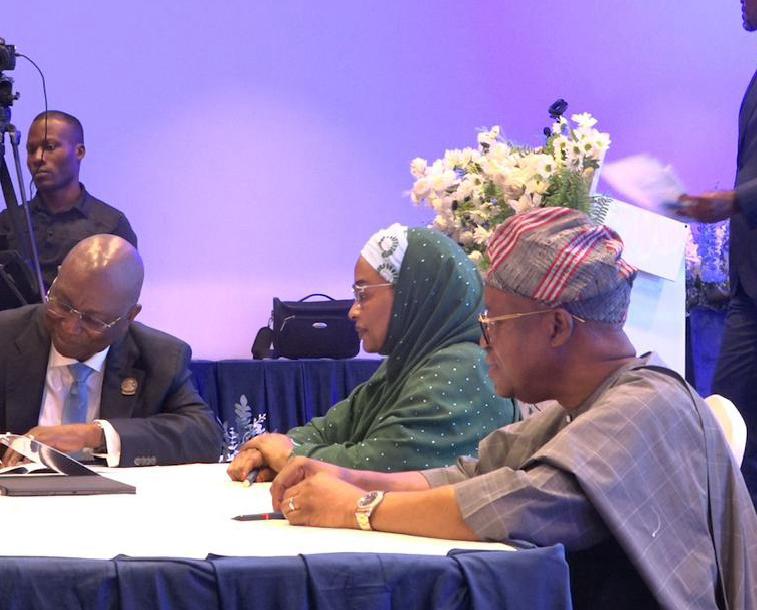
The disclosure came on Thursday in Lagos, during the signing of the 2026 Performance Bond between NIMASA’s Director-General, Dr. Dayo Mobereola, and the Minister of Marine and Blue Economy, Dr. Adegboyega Oyetola.
At the event, Minister Oyetola left no room for ambiguity, issuing a pointed directive to heads of agencies under his ministry to focus on results and shun complacency.
“Let me emphasise that all Departments and Agencies under the Ministry must remain firmly focused on delivering tangible results,” the Minister stated.
He further stressed that the performance bonds carry real weight, describing them as binding commitments subject to close monitoring and rigorous evaluation — not documents to be signed and shelved.
“These are not ceremonial documents. They are binding commitments. Accountability will not be optional,” Oyetola declared.
Speaking after the signing, Director-General Mobereola said the reforms being pursued at NIMASA are deliberate and are being driven with strong backing from the Ministry, adding that the agency remains firmly aligned with the Federal Government’s Renewed Hope Agenda.
On maritime security, Mobereola highlighted a landmark achievement: Nigeria has recorded zero piracy incidents in its territorial waters over the past four years. He attributed this record to enhanced surveillance systems and improved collaboration among security agencies.
The NIMASA chief also announced that the agency is close to completing the automation of its ship registry processes — a reform expected to eliminate administrative delays, speed up turnaround times, and sharpen Nigeria’s competitiveness in the global maritime industry.
Additionally, Mobereola noted that Nigeria has deposited three maritime conventions with the International Maritime Organization (IMO), with three more pending Federal Executive Council approval. He also highlighted Nigeria’s re-election into Category C of the IMO Council in November 2025 as a milestone that restores the country’s standing in global maritime governance and reinforces its leadership role on the African continent.
Waterways News | www.waterwaysnews.ng
Oyetola Orders NSC Probe into Alleged Plot to Squeeze Out Local Barge Operators
Minister vows zero tolerance for anti-competitive behaviour as indigenous operators cry foul over foreign interference at Nigerian seaports
By Oghenewoke Onoriode|Waterways News Correspondent, LAGOS
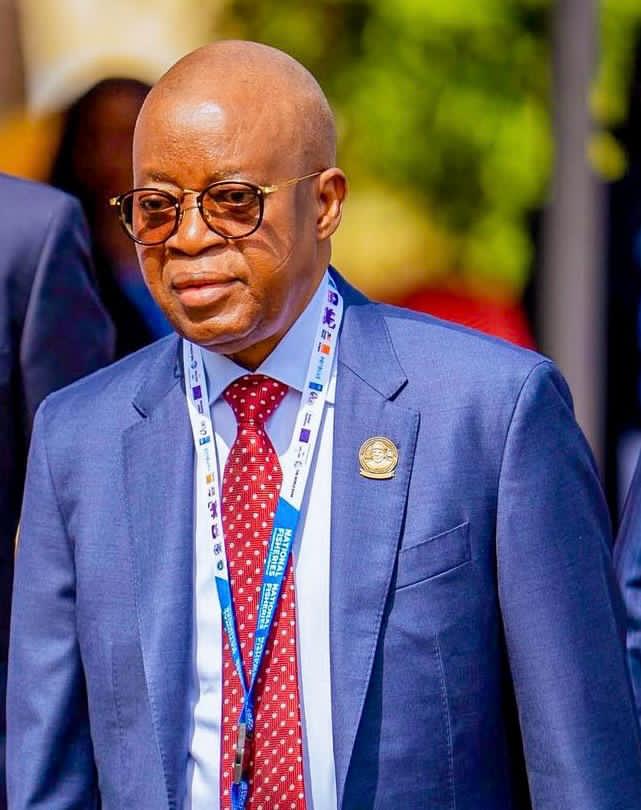
The Minister of Marine and Blue Economy, Dr Adegboyega Oyetola, has ordered the Nigerian Shippers’ Council (NSC) to investigate allegations that a coordinated effort is underway to push indigenous barge operators out of Nigeria’s seaport logistics chain.
The directive came during the 2026 First Quarter Citizens/Stakeholders’ Engagement, Sectoral Performance Review, and Ministerial Management Retreat of the Federal Ministry of Marine and Blue Economy, held in Lagos on Thursday.
Operators Raise the Alarm
Representatives of local barge operators used the platform to allege that certain foreign interests are engaged in a deliberate campaign to undermine their operations. They told the Minister that policies, operational bottlenecks, and preferential treatment allegedly extended to foreign-linked entities by some terminal operators are tilting the competitive landscape against Nigerian businesses.
The operators warned that if left unaddressed, the situation could erode local capacity and destabilise Nigeria’s maritime logistics ecosystem.
NSC Given the Mandate
Responding to the allegations, Dr Oyetola reaffirmed the Federal Government’s commitment to protecting local investments and ensuring a level playing field in the maritime sector. He directed the NSC — in its capacity as port economic regulator — to conduct a thorough and impartial investigation into the claims.
The Minister was unequivocal: any anti-competitive behaviour or policy inconsistency that disadvantages Nigerian businesses would not be tolerated.
Engagement as Policy Tool
Dr Oyetola also used the occasion to underscore the importance of regular stakeholder engagement in driving effective sectoral governance. He noted that the government remains firmly focused on developing the marine and blue economy as a pillar of national growth, employment generation, and sustainable development.
Nigeria Watch
The allegations against terminal operators echo long-standing concerns in the Nigerian maritime industry about the marginalisation of indigenous players in port operations. Local barge operators form a critical link in Nigeria’s cargo evacuation chain — particularly at Apapa and Tin Can Island ports — and their displacement would deepen the country’s dependence on foreign logistics providers.
The NSC’s mandate as port economic regulator makes it the appropriate body to probe these claims. However, the effectiveness of the investigation will depend on the Council’s willingness to act on its findings — including, where necessary, imposing sanctions on terminal operators found to have violated fair competition principles.
For the Federal Ministry of Marine and Blue Economy, Thursday’s engagement signals a more assertive posture on indigenous content in maritime logistics — one that stakeholders will be watching closely.
Waterways News — Covering Nigeria’s Maritime, Shipping and Blue Economy Sector
Blue Economy
Tinubu Approves Cargo Tracking Scheme That Could Save Nigeria N900bn in Lost Import Revenue

Tinubu Approves Cargo Tracking Scheme That Could Save Nigeria N900bn in Lost Import Revenue
Presidential approval secured for ICTN as Nigerian Shippers’ Council begins procurement; scheme expected to go live before year-end
By Emetena Ikuku, Lagos
President Bola Ahmed Tinubu has approved the full implementation of the International Cargo Tracking Note (ICTN), a flagship initiative of the Nigerian Shippers’ Council (NSC) designed to plug revenue leakages in the country’s import trade and strengthen regulatory oversight of inbound cargo.
The approval, confirmed at a stakeholders’ engagement convened by the Federal Ministry of Marine and Blue Economy in Lagos, ends months of uncertainty over the scheme’s future and sets the stage for what industry analysts say could be one of the most consequential reforms in Nigeria’s maritime sector in recent years.
What the ICTN Does
The ICTN is a real-time, online cargo tracking system that monitors the movement of inbound shipments from origin to destination. Beyond logistics visibility, it is designed to function as an economic intelligence tool — capturing import data that can be used to close gaps in revenue declaration and combat under-invoicing.
Industry projections suggest the system could help Nigeria recover up to N900 billion annually in import revenue currently lost to leakages — a figure that underscores the commercial stakes of getting the rollout right.
Procurement Underway
Pius Akutah, Executive Secretary and CEO of the Nigerian Shippers’ Council, confirmed to stakeholders that presidential approval had been secured and that procurement processes were already in motion. He expressed confidence that the ICTN would become operational before the end of the year.
Akutah acknowledged that previous implementation attempts had been suspended due to unresolved operational challenges, but said the Council had drawn lessons from those setbacks.
He noted that the Minister of Marine and Blue Economy, Adegboyega Oyetola, is personally committed to ensuring a seamless rollout, with the ministry taking deliberate steps to resolve all outstanding issues before the scheme goes live.
Nigeria Watch
The ICTN revival is significant beyond its revenue implications. For years, Nigerian freight forwarders, cargo agents, and port operators have operated in an environment where cargo data is fragmented and often unreliable — creating fertile ground for manifest fraud, valuation disputes, and customs evasion.
A fully operational ICTN would give the NSC, the Nigeria Customs Service, and the Nigerian Ports Authority (NPA) access to a unified cargo data stream, potentially transforming how import risk is assessed at Apapa, Tin Can Island, and the emerging Lekki Deep Sea Port.
For the broader blue economy agenda being championed by Minister Oyetola, real-time cargo intelligence also supports Nigeria’s ambitions to position its ports as West Africa’s premier logistics hub — a goal that requires the kind of regulatory credibility the ICTN is designed to provide.
Stakeholders will be watching the procurement timeline closely. The scheme has been suspended before, and the maritime industry’s confidence in its delivery will depend on whether the ministry can demonstrate tangible progress before the year runs out.
-

 Oil and Gas4 weeks ago
Tantita’s Pipeline Deal: $144m Contract, Rising Output, and the Questions that Deserve Answers
-
 Blue Economy2 months ago
Nigeria’s Coast Guard Bill: A Solution in Search of a Problem?
-
 Business1 month ago
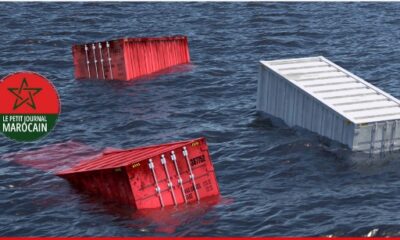
CASABLANCA PORT SHUT DOWN AFTER VESSEL LOSES 85 CONTAINERS — SHIP SERVES NIGERIAN ROUTES