

Blue Economy
Nigeria’s $866m Seafood Import Bill Exposes a “Sleeping Giant” Fisheries Sector, Says,, IMION DG

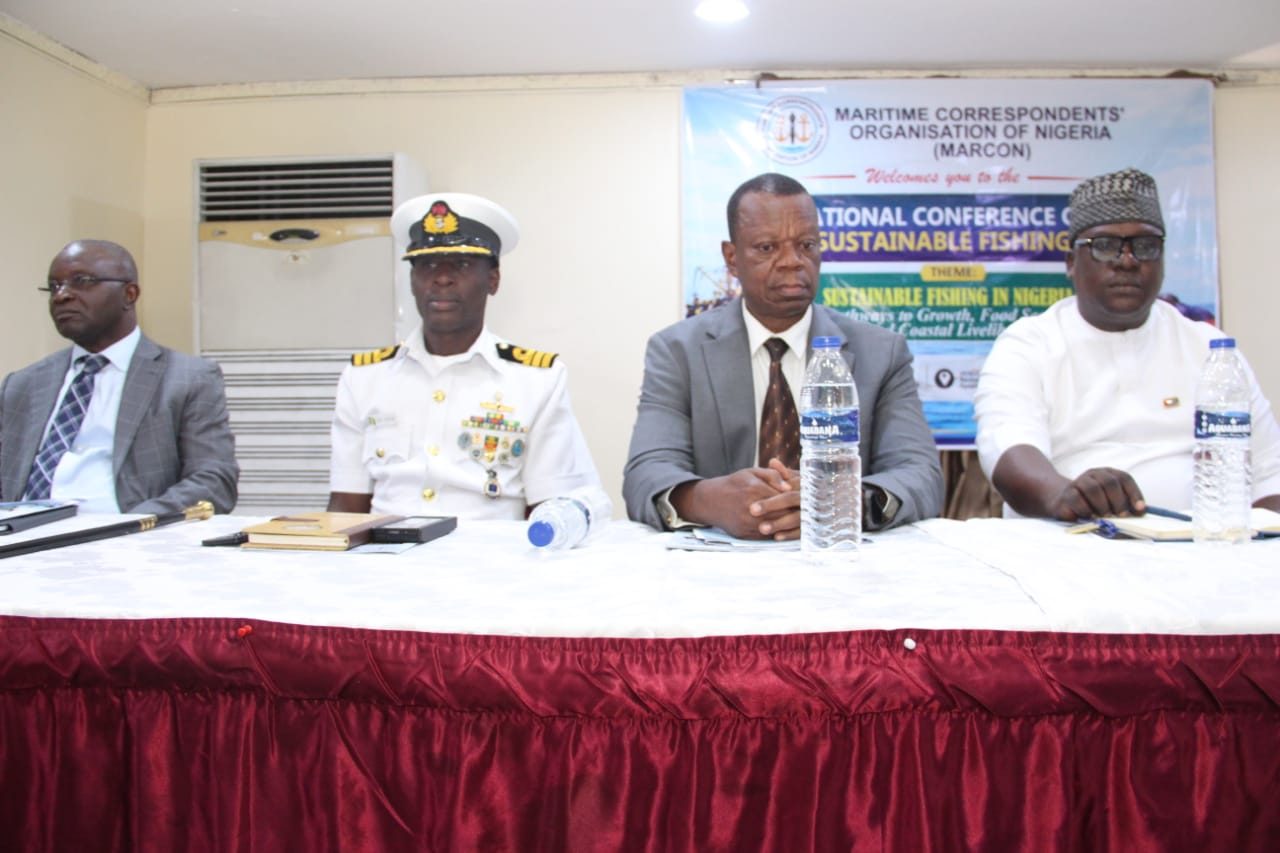

Nigeria’s $866m Seafood Import Bill Exposes a “Sleeping Giant” Fisheries Sector, Says IMION DG
Despite 853km Coastline, Nigeria’s Fish Imports Surge 43% in Two Years
Seafood Import Bill Hits $866m
Nigeria’s spending on frozen fish and seafood imports climbed to $866 million in 2025, even though the country has vast marine and inland fisheries. The Director-General of the International Maritime Institute of Nigeria (IMION), Rear Admiral Thaddeus Udofia (Rtd), PhD, gave the figure. He spoke at the 2026 National Conference on Sustainable Fishing, organised by the Maritime Correspondents’ Organisation of Nigeria (MARCON). The theme was “Sustainable Fishing in Nigeria: Pathways to Growth, Food Security and Coastal Livelihoods.”
Citing UN COMTRADE data, Udofia said imports rose from $606 million in 2023 to $688.5 million in 2024 and then $866 million in 2025. That is a compound annual growth rate of 19.54 per cent, which he called a paradox for a country with such resources.

He said Nigeria has about 853 kilometres of Atlantic coastline and an Exclusive Economic Zone stretching 200 nautical miles, plus inland waterways, creeks, estuaries and the Niger Delta Basin. Despite this, he said, the country has failed to turn its fisheries endowment into domestic seafood sufficiency, a gap that threatens food security and economic development.
“For decades, our offshore and inland fisheries have operated like a sleeping giant,” he said, citing ecological pressure, under-investment and unsustainable exploitation.
Threats
Udofia named overfishing, climate change and illegal, unreported and unregulated (IUU) fishing as the sector’s biggest threats. He singled out destructive practices by industrial trawlers, which he said can damage marine habitats and shrink the catch of artisanal fishermen and coastal communities. Falling catches, he warned, would hit household incomes, food availability and national food security.
The five-pillar plan
IMION is advocating a strategy built on five pillars:
Stronger regulation and enforcement
Science-based fisheries management
Capacity building and technology
Advanced maritime surveillance
Community-based fisheries management
He called for closer collaboration among maritime security agencies, fisheries authorities and other institutions to fight IUU fishing. He also said catch limits, closed seasons and marine protected areas should rest on reliable scientific data. Research bodies such as the Nigerian Institute for Oceanography and Marine Research (NIOMR) and IMION, he said, should be empowered to supply that data.
Cold chain, aquaculture and surveillance
The IMION DG urged more investment in cold-chain infrastructure, fish-processing technology and specialised training to cut post-harvest losses and create opportunities for youths and women. He also pushed a shift from dependence on wild-capture fisheries to modern aquaculture, saying cage-culture systems in suitable coastal lagoons could raise domestic output and open up scalable investment. To monitor industrial fishing, he called for stronger Vessel Monitoring Systems, satellite surveillance and effective catch-quota enforcement.
Coastal communities
Udofia argued that people who live off the waterways should help monitor and protect them. He said IMION is exploring programmes to equip coastal youths with skills beyond conventional fishing, including marine entrepreneurship, eco-tourism, boat building and specialised marine technologies. Diversified livelihoods, he said, would ease pressure on wild stocks and raise household incomes.
He urged conference participants to go beyond resolutions and produce an actionable framework for transforming the sector. “Let us protect our waters and fisheries resources therein, so they may protect our future,” he said.
Nigeria Watch
Beyond the headline number. Udofia’s figure is only part of the picture. The Sea Empowerment and Research Centre (SEREC) estimates 2025 production at about 1.4 million tonnes, with demand exceeding output by roughly 1.83 million tonnes. A separate research paper says domestic output meets only about a third of annual demand of 3.2 to 3.6 million tonnes. Estimates of the deficit and the import bill vary by source, so quote them with attribution.
The policy-delivery gap: Minister of Marine and Blue Economy Adegboyega Oyetola has said the era of dependence on fish imports must end, calling self-sufficiency a national goal. Yet the import bill is rising, not falling. That is the gap between announcement and delivery this desk has tracked across the sector.
Who carries the cost: Udofia’s warning about industrial trawlers falls directly on artisanal and informal waterway operators, the constituency WABOTAN and ATBOWATON represent. Community-based management only works if these operators are given a real seat in monitoring and enforcement, along with access to cold storage, processing and finance. Otherwise it stays a conference resolution.
Questions for regulators:
What enforcement capacity do NIMASA, the Navy and the fisheries authorities actually have against IUU fishing and trawler incursions?
Who funds the Vessel Monitoring Systems and satellite surveillance Udofia called for, and by when?
What timeline exists for cold-chain and processing infrastructure at fishing communities and landing sites?

Blue Economy
Outboard Engines, Jetties, Fuel Points: Lagos Boat Operators Table Survival Demands Ahead of New Administration
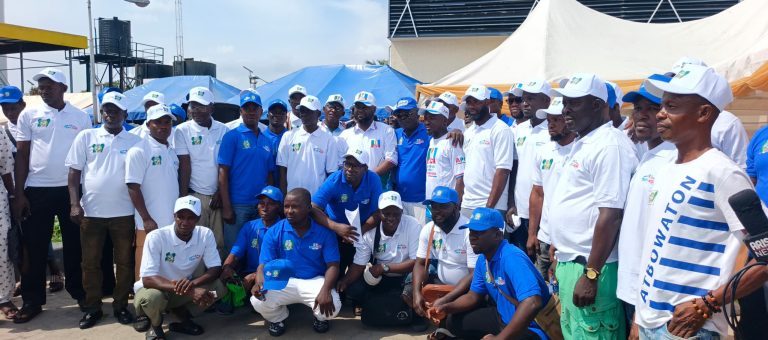
Outboard Engines, Jetties, Fuel Points: Lagos Boat Operators Table Survival Demands Ahead of New Administration
ATBOWATON seeks engine subsidies, flexible repayment terms and more infrastructure for remote communities, while commending LASWA, NIWA and the state government on safety gains
Boat operators in Lagos have asked the next state administration for engine subsidies, flexible repayment arrangements, more jetties and more fuel stations, saying these are needed to keep water transport growing.
The demands came from the Lagos State Chapter of the Association of Tourist Boat Operators and Water Transporters of Nigeria (ATBOWATON) at a political awareness programme organised with its national leadership. Operators, government representatives and political stakeholders discussed what the sector expects from the next government.
Deputy Chairman Babatunde Segun said some members have lost boats or are stuck with faulty engines and cannot work at full capacity. He asked for engine subsidies and flexible repayment terms so affected operators can rebuild. He also called for sustained attention to safety, security, youth employment and tourism, saying these would create jobs and ease pressure on Lagos roads.
Segun credited the present administration with adding jetties and supporting more fuel stations, which ended long trips to reach workable operating points. He also praised joint state and federal efforts to clear dangerous debris from the waterways, which he said has cut accidents and damage to boats and engines. He stressed that remote communities still lack adequate jetties and fuel points.
Founding National Chairman Dr Tarzan Balogun warned that accidents could erode commuter confidence and urged operators to make safety their first priority. He commended LASWA and NIWA for monitoring and for providing life jackets, and called for closer cooperation among federal, state and local governments.
Representing the Special Adviser on Blue Economy, Oluwadamilola Emmanuel, Mr Oladayo Ibrahim said Lagos is committed to becoming a leading maritime and water transport hub. He cited the Omi Eko Project, with modern ferries, electric vessels, better terminals, dredging and digital systems. He said existing operators must not be shut out of the new opportunities, and urged them to embrace professionalism, safety and compliance.
Oriade LCDA Chairman Rasaq Olotede praised investments in jetties and terminals across Badagry Division, including Ilashe, Ibeshe and Kirikiri Town, and commended operators for using life jackets.
The association also endorsed President Bola Tinubu’s re-election and Dr Kadri Hamzat’s governorship ambition.
NIGERIA WATCH
The operators’ message to Omi Eko planners is simple: don’t build the future over our heads. Omi Eko plans 15 ferry routes over 140 kilometres, linking 25 upgraded terminals, served by 75 electric vessels of up to 440 passengers each. Small “banana” boats carrying up to 17 passengers still dominate Lagos waterways. Those are the operators now asking for engine support. Officials have said private ferry operators will run the new electric vessels under a public-private framework. The open question is whether small operators get a real place in that framework or are phased out.
Omi Eko runs from 2024 to 2030 at a total cost of €410 million. That timeline is long for an operator with a dead engine today. The immediate gap between the megaproject and the informal operators who carry most passengers is the kind of policy-versus-delivery gap Waterways News keeps tracking, alongside NIWA-LASWA coordination and the safety record on inland waterways.
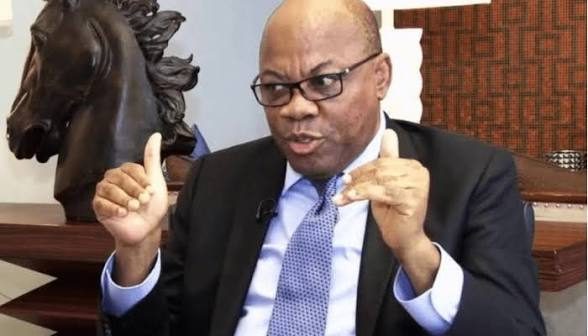
Don’t Just Fund Vessels, Guarantee Cargo, Agbakoba Tells Government at SCAN Summit
Maps Path to Low-Risk Finance for Indigenous Fleet
By Ighoyota Onaibre | Waterways News
Nigeria will draw private capital into indigenous shipping only if it offers shipowners guaranteed cargo, bankable contracts and regulatory certainty. Government-financed vessels alone will not do it, maritime lawyer Mr Olisa Agbakoba (SAN) has said.
Agbakoba spoke on Thursday, 29 October 2026, at the annual summit of the Shipping Correspondents Association of Nigeria (SCAN) in Lagos. The theme was “Low-Risk Capital for Indigenous Shipowners: Overcoming Regulatory and Financial Bottlenecks.” He was represented by maritime lawyer Mr John-Paul Akunne.
He said the theme speaks to turning Nigeria’s maritime potential into a commercially viable indigenous industry that keeps more freight earnings in the country. Despite large cargo volumes, he noted, Nigerian shipowners still struggle to access finance and dependable commercial opportunities.
A national fleet, he said, would retain freight earnings, create jobs for seafarers, strengthen ship management and repair services, and widen Nigeria’s role in domestic, regional and international shipping. But fleet development requires more than buying vessels. It also needs commercially viable ships, competent operators, dependable cargo demand and sustainable financing.
Agbakoba acknowledged that ship finance carries risks tied to vessel values, foreign exchange, insurance, operating costs and freight rates. He said these can be managed through proper legal, technical and financial due diligence. Lenders, he said, must verify vessel ownership, registration, mortgages, insurance, regulatory compliance and the borrower’s capacity to repay. Ship mortgages, guarantees and the assignment of charter earnings and insurance proceeds can provide adequate security.
Collateral alone cannot make an unviable project bankable, he stressed. Vessels need reliable revenue backed by enforceable cargo or charter contracts, because ships without dependable employment struggle to secure funding.
The former President of the Nigerian Maritime Law Association urged oil majors, terminal operators and cargo owners to engage qualified Nigerian shipowners under commercially viable contracts. Those contracts should specify cargo volumes, duration, freight rates, performance standards and payment obligations.
He pointed to the Coastal and Inland Shipping (Cabotage) Act 2003 and the Nigerian Oil and Gas Industry Content Development Act 2010 as existing frameworks for greater local participation. He called for effective enforcement, transparent administration of waivers and better access to cargo for indigenous operators.
Agbakoba also named regulatory uncertainty as a driver of investment costs. He urged closer coordination among NIMASA, the Federal Ministry of Marine and Blue Economy, the Nigerian Ports Authority and the Nigerian Ports Economic Regulatory Agency.
On the Cabotage Vessel Financing Fund (CVFF), he said the fund remains important but should complement commercial lending, development finance and private investment. He called for transparent eligibility criteria, rigorous credit assessment, adequate collateral and effective monitoring.
He recommended six priority measures for sustainable fleet development:
- Cargo-backed financing
Improved cargo access
Regulatory coordination
Mobilisation of private capital
Stronger maritime capacity
An implementation framework with clear timelines and measurable outcomes
Nigeria Watch
The numbers behind the theme. Pre-summit reports put indigenous shipowners at only about four to five per cent of the market. SCAN President Moses Ebosele blamed funding gaps, high interest rates and regulatory bottlenecks for the low local participation. Another report quoted SCAN as saying foreign operators control more than 95 per cent of the trade.
CVFF: movement, but old doubts. The fund Agbakoba wants to see complement private capital has finally begun to move after more than two decades.
President Tinubu approved disbursement more than two decades after the fund was established without Nigerian shipowners accessing it. Earlier reports said NIMASA opened applications for a $25 million tranche on January 22, 2026, drawing about 60 applicants, while some stakeholders remain cautious, citing past unfulfilled promises. Reported fund sizes vary across outlets, from the $25 million tranche to a headline figure of $700 million.
The cargo question is the real test. Agbakoba’s argument shifts the debate from who funds vessels to who guarantees work for them. That cuts to a long-running grievance in the sector. Indigenous operators objected to the launch of Unity Shipping World, the NNPC Shipping, Stena Bulk and Caverton joint venture, calling it a deliberate attempt to undermine Nigeria’s shipowners.
Whether oil majors and cargo owners will sign long-term, enforceable contracts with Nigerian owners is the question that will decide if financing translates into ships on the water.
What it means for waterway operators. For the informal and small-scale operators Waterways News follows, the principle holds at their scale too. Without structured access to cargo and passenger contracts, even well-intentioned funds will struggle to reach the boat owners and transporters who need them.
Blue Economy
CVFF: FG Says Disbursement Has Begun, Urges Banks and Shipowners to Back Indigenous Fleet Growth
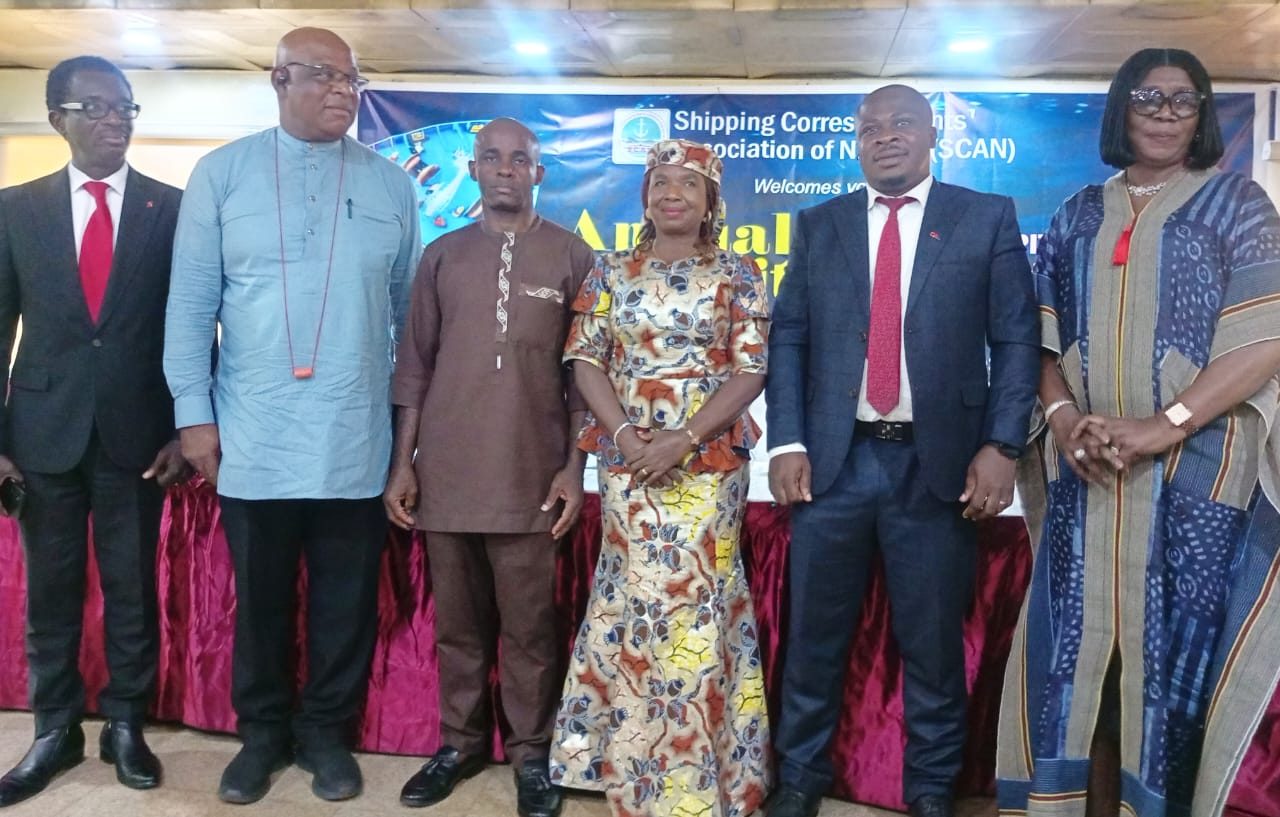
CVFF: FG Says Disbursement Has Begun, Urges Banks and Shipowners to Back Indigenous Fleet Growth
After Two Decades, FG Says Cabotage Fund Is Finally Flowing
By Okeoghene Onoriobe | Waterways News
The Federal Government says it has started disbursing the Cabotage Vessel Financing Fund (CVFF) to help Nigerian shipowners build bigger and more competitive fleets.
The Minister of Marine and Blue Economy, Adegboyega Oyetola, announced this on Thursday at the 2026 Annual Summit of the Shipping Correspondents Association of Nigeria (SCAN) in Lagos. The summit was themed “Low-Risk Capital for Indigenous Shipowners: Overcoming Regulatory and Financial Bottlenecks.” The minister was represented by the ministry’s Director of Media, Mrs Anastasia Ogbonna.
He said President Bola Tinubu’s administration is committed to deepening local participation in shipping, keeping maritime earnings within the economy and creating jobs. He acknowledged that indigenous operators struggle to get long-term finance because vessels are capital intensive, borrowing costs are high and collateral requirements are strict.
According to him, he has directed the Nigerian Maritime Administration and Safety Agency (NIMASA) to begin disbursement, run a transparent online application portal and increase the number of approved primary lending institutions to 12. He described the CVFF as a strategic tool for helping qualified operators buy modern vessels. He added that it should also stimulate ship repair, marine engineering and maritime logistics.
Oyetola urged banks to design maritime-friendly financing products. He also urged shipowners to practise good corporate governance, repay loans on time and manage their fleets professionally in order to keep lenders’ confidence. He said government is also exploring a commercially driven national shipping line through a public-private partnership, and he called for closer cooperation among government, financiers, regulators and shipowners.
Mr Nelson Edoye, Apapa Regional Manager of United Bank for Africa (UBA), representing the Group Managing Director, Mr Oliver Alawuba, called the theme timely. He said the bank understands the capital demands of shipping and will keep working with regulators and stakeholders through tailored financing and trade facilitation to unlock growth for indigenous operators.
The SCAN President, Mr Moses Ebosele, said Nigeria needs a comprehensive strategy to address the financial, regulatory and infrastructural constraints holding indigenous owners back against foreign competitors. He said a strong local fleet would keep maritime revenue at home, create jobs, support local shipbuilding and strengthen economic independence. He listed expensive financing, high operating costs, multiple charges, inconsistent policies and weak infrastructure as problems that need urgent, coordinated action from government, regulators and financial institutions.
NIGERIA WATCH
The announcement is welcome, but stakeholders have heard versions of it before. The fund was set up under the Cabotage Act of 2003, and it was designed to give Nigerian shipping companies structured financing for vessel acquisition.
The minister recalled directing NIMASA in April 2025 to start disbursement. In February 2026, NIMASA said the rollout was expected in the second quarter of 2026. The application portal opened on January 22, 2026, and the president’s approval for disbursement followed in April. By April, more than 60 applications had been received.
Thursday’s statement still gave no figures. It did not say how much has been released, to whom, or how many of the 60-plus applicants have been approved. For a fund that shipowners have contributed to for over two decades, those numbers matter more than the word “begun.”
Three questions will decide whether the CVFF is a turning point:
Transparency: Will NIMASA publish beneficiaries, amounts and approval criteria?
Access: Will the 12 lending institutions price risk in a way that works for real indigenous operators, rather than only the best-collateralised few?
Reach: The Cabotage Act targets vessel ownership. It remains unclear what, if anything, the fund offers the smaller coastal and inland operators who carry much of the country’s water transport.
Waterways News will keep tracking the fund until announcements turn into vessels.

 Oil and Gas8 months ago
Tantita’s Pipeline Deal: $144m Contract, Rising Output, and the Questions that Deserve Answers
 MARITIME TRADE & SHIPPING8 months ago
World’s Largest Container Ship Sets New Maritime Record with 22,233 TEUs on Single Voyage
 Blue Economy9 months ago
Nigeria’s Coast Guard Bill: A Solution in Search of a Problem?