

MARITIME TRADE & SHIPPING
NPA Credits Reforms, APM Terminals Partnership for 25% Export Growth, Eyes $1bn Apapa Overhaul

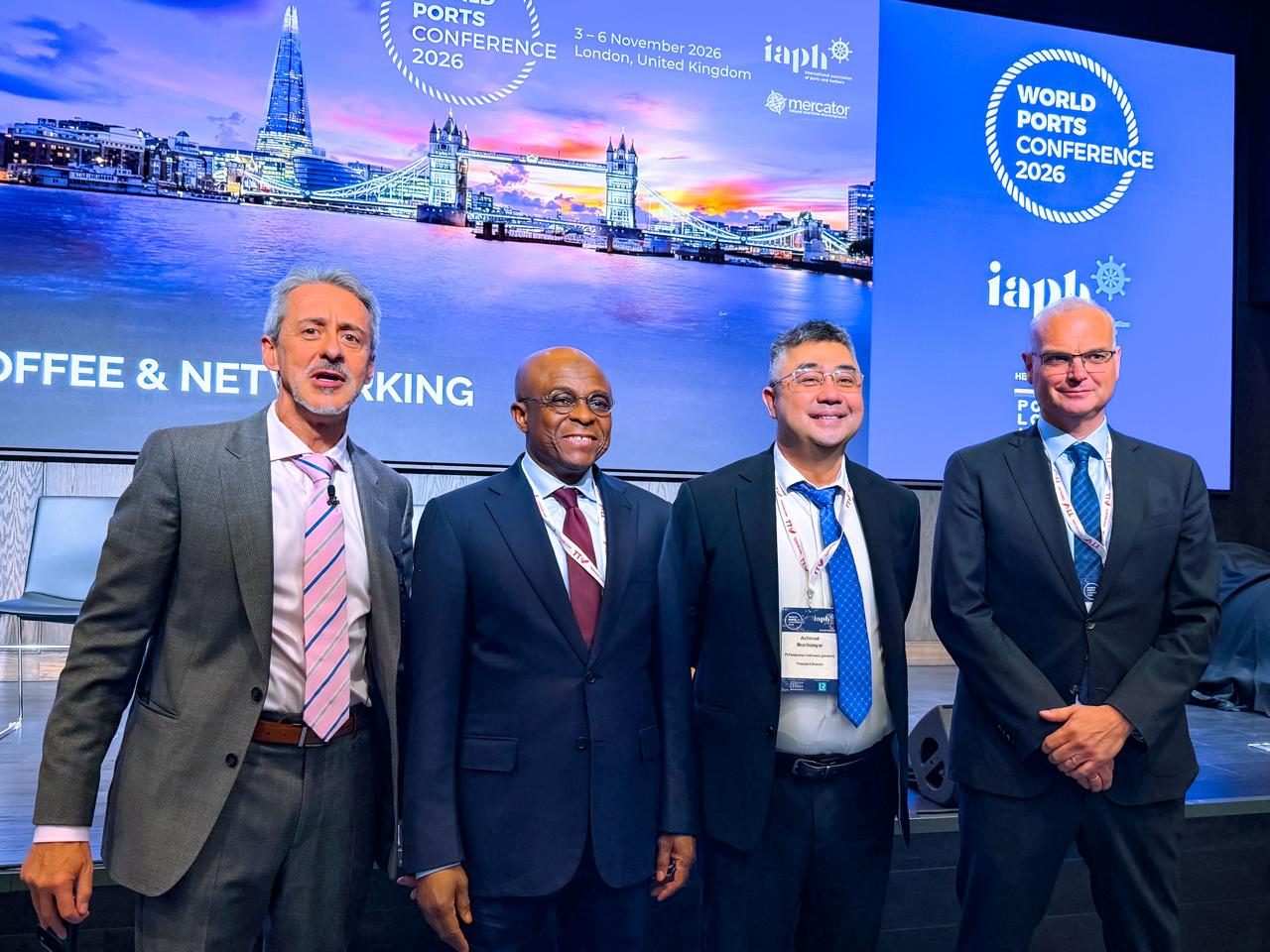

Dantsoho tells IAPH World Ports Conference in London that port revenue has quadrupled, as NPA pushes export terminals and digital platforms
By Emamuzou Akatugba | Waterways News | London
The Nigerian Ports Authority (NPA) says Nigeria’s exports have grown by more than 25 per cent in two years. It credits Federal Government reforms and closer collaboration with major terminal operators, especially APM Terminals.
NPA Managing Director, Dr Abubakar Dantsoho, disclosed this at the IAPH World Ports Conference in London. He said the growth was not driven mainly by oil and gas. Manufacturing and agriculture also contributed, with cocoa, cashew and other raw materials recording higher shipment volumes.
To sustain the momentum, the NPA has set up Export Processing Terminals to streamline the handling and documentation of export cargo. About four are operating nationwide. The authority works with terminal operators, the Nigeria Customs Service and other agencies so that goods are processed locally and meet required standards before shipment.

Dantsoho said the reforms have also positioned Nigeria to benefit from the African Continental Free Trade Area (AfCFTA). He cited Morocco, which he described as an emerging manufacturing hub for electric and other vehicles, as an example of trade and industrial cooperation within the continent.
He linked Nigeria’s improved global port standing to operational efficiency, technology adoption and stronger industry cooperation. He said two Nigerian ports are now in the world’s top 20 in the latest World Bank ranking, and that port revenue nationwide has quadrupled alongside rising cargo volumes. The NPA also uses a regional dashboard to track port efficiency across West and Central Africa. It shows gains in Nigeria and in countries such as Tanzania and Kenya.
On infrastructure, Dantsoho said the Federal Government plans a $1 billion expansion and modernisation of Apapa Port. He stressed that the project will need substantial private capital, and that the NPA is talking to APM Terminals and other potential investors. He added that the NPA plans to deepen partnerships with industry players in countries including Morocco and South Africa.
On digital reform, the NPA has partnered with a Singaporean company on a national single-window system. Talks are ongoing with an Abu Dhabi-based firm on a port community system. Both platforms are meant to improve coordination among stakeholders, simplify cargo clearance and reduce bottlenecks.
NIGERIA WATCH
What the “top 20” actually means: The World Bank ranked Apapa and Tin Can Island among the 20 most improved ports globally. This is an improvement ranking, not a list of the world’s 20 best ports. Both appeared in the 2025 Container Port Performance Index, and Tin Can placed 10th and Apapa 12th for gains between 2020 and 2025. Both ports scored well below zero in 2020 and had only recovered to -26 by 2025, so the climb is real but the starting point was very low. The authority should be precise about this at global forums.
Oil versus non-oil: Reports of Dantsoho’s remarks differ slightly. One account says the growth covered both oil and non-oil exports. The NPA should publish the underlying figures and the baseline year so the 25 per cent claim can be verified, especially the non-oil share.
Private capital and the Apapa plan: A $1 billion Apapa upgrade that depends largely on private investors makes terminal concession terms and port dues central issues for shippers and the Nigerian Shippers’ Council. Stakeholders will want to know who bears the cost, and whether efficiency gains will show up in lower charges.
The small operators’ angle: Export terminals, single-window and port community systems all target the seaport cargo chain. The informal inland waterway operators represented by WABOTAN and ATBOWATON see little of this attention. As reforms are celebrated in London, a fair test of “the blue economy” is whether feeder services, jetties and inland routes get matching investment.
What to watch: the NPA’s data on the four export terminals, the Apapa investment structure, and delivery dates for the single-window and port community platforms.

Blue Economy
NPA Moves to Inspect Nigeria’s Inland Dry Ports, Presses Operators to Plug Into Eto, National Single Window
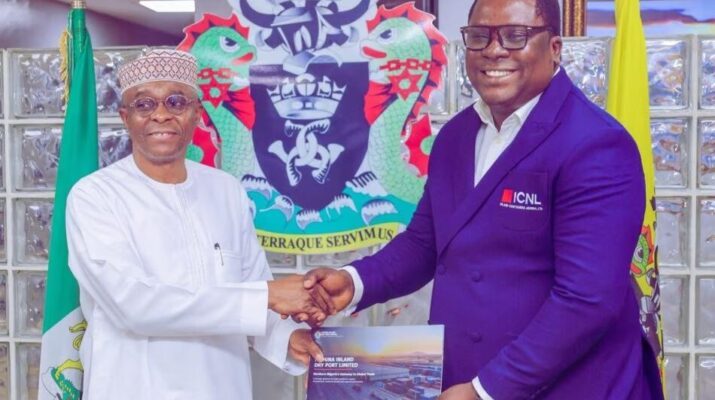
NPA Moves to Inspect Nigeria’s Inland Dry Ports, Presses Operators to Plug Into Eto, National Single Window
Demands Digital Alignment and Infrastructure Upgrade
By Ighoyota Onaibre | Waterways News
The Nigerian Ports Authority (NPA) says it will tour all inland dry ports across the country to assess their readiness and capacity, as it pushes for the hinterland cargo terminals to keep pace with the digital overhaul of the seaports.
Managing Director Dr. Abubakar Dantsoho announced the plan while receiving a delegation of Inland Containers Nigeria Limited (ICNL), led by its Managing Director/CEO, Mr. Omotayo Dada, at the NPA headquarters in Lagos.
Dantsoho told the ICNL team that NPA operations are now nearly 90 per cent automated. He urged the company to align its systems with the Eto truck call-up platform, the Port Community System and the National Single Window (NSW). The aim is real-time cargo tracking, fewer bottlenecks and greater transparency.
He also called for upgrades to dry port infrastructure to handle the higher cargo volumes expected from seaport modernisation, and urged public-private partnerships to improve facilities, streamline logistics and cut the cost of doing business.
Dada described the partnership as the backbone of Nigeria’s multimodal chain, linking coastal ports to northern hubs. He highlighted the role of the Kaduna Inland Dry Port in serving northern shippers and landlocked neighbours Niger and Chad.
Both sides committed to adopting technology, intermodal rail evacuation and stronger dry port facilities, in line with the Federal Ministry of Marine and Blue Economy’s goals of port efficiency, reduced congestion and economic growth.
Nigeria Watch
A pattern, not a one-off. This is not the first time Dantsoho has made this case. In October, he told the Dala and Funtua dry port operators that dry port infrastructure must be upgraded to match the pace of modernisation at the seaports. That meeting followed a directive from Minister Adegboyega Oyetola transferring operational oversight of inland dry ports to the NPA. The Port Act also recognises dry ports as official ports of origin and destination. The latest tour announcement is the NPA exercising that new oversight.
The real test is rail and road. Digital integration will not move containers on its own. Operators have repeatedly cited weak rail connectivity and logistics constraints. Unless the assessment leads to funded rail links and working evacuation corridors, trucks will keep carrying cargo that rail was meant to take, and Apapa and Tin Can will stay under pressure.
Questions for the NPA. Will the tour results be published? Will there be timelines and budgets for upgrades? And how will the NPA bring private dry port operators along on the NSW and Eto integration?
Why waterways stakeholders should care. Cargo that clears faster inland eases pressure on the ports. It also strengthens the case for barging and inland waterways as alternative evacuation routes. Operators in that space, including those represented by WABOTAN and ATBOWATON, will want to see whether the NPA’s inland logistics plans make room for water transport.
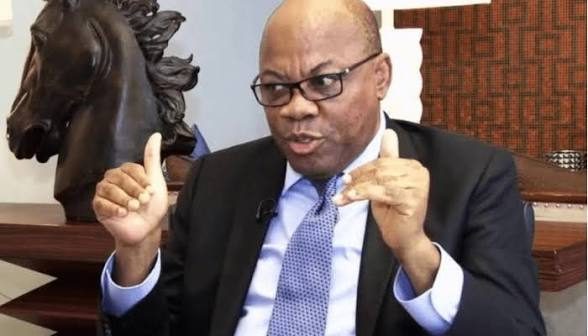
Don’t Just Fund Vessels, Guarantee Cargo, Agbakoba Tells Government at SCAN Summit
Maps Path to Low-Risk Finance for Indigenous Fleet
By Ighoyota Onaibre | Waterways News
Nigeria will draw private capital into indigenous shipping only if it offers shipowners guaranteed cargo, bankable contracts and regulatory certainty. Government-financed vessels alone will not do it, maritime lawyer Mr Olisa Agbakoba (SAN) has said.
Agbakoba spoke on Thursday, 29 October 2026, at the annual summit of the Shipping Correspondents Association of Nigeria (SCAN) in Lagos. The theme was “Low-Risk Capital for Indigenous Shipowners: Overcoming Regulatory and Financial Bottlenecks.” He was represented by maritime lawyer Mr John-Paul Akunne.
He said the theme speaks to turning Nigeria’s maritime potential into a commercially viable indigenous industry that keeps more freight earnings in the country. Despite large cargo volumes, he noted, Nigerian shipowners still struggle to access finance and dependable commercial opportunities.
A national fleet, he said, would retain freight earnings, create jobs for seafarers, strengthen ship management and repair services, and widen Nigeria’s role in domestic, regional and international shipping. But fleet development requires more than buying vessels. It also needs commercially viable ships, competent operators, dependable cargo demand and sustainable financing.
Agbakoba acknowledged that ship finance carries risks tied to vessel values, foreign exchange, insurance, operating costs and freight rates. He said these can be managed through proper legal, technical and financial due diligence. Lenders, he said, must verify vessel ownership, registration, mortgages, insurance, regulatory compliance and the borrower’s capacity to repay. Ship mortgages, guarantees and the assignment of charter earnings and insurance proceeds can provide adequate security.
Collateral alone cannot make an unviable project bankable, he stressed. Vessels need reliable revenue backed by enforceable cargo or charter contracts, because ships without dependable employment struggle to secure funding.
The former President of the Nigerian Maritime Law Association urged oil majors, terminal operators and cargo owners to engage qualified Nigerian shipowners under commercially viable contracts. Those contracts should specify cargo volumes, duration, freight rates, performance standards and payment obligations.
He pointed to the Coastal and Inland Shipping (Cabotage) Act 2003 and the Nigerian Oil and Gas Industry Content Development Act 2010 as existing frameworks for greater local participation. He called for effective enforcement, transparent administration of waivers and better access to cargo for indigenous operators.
Agbakoba also named regulatory uncertainty as a driver of investment costs. He urged closer coordination among NIMASA, the Federal Ministry of Marine and Blue Economy, the Nigerian Ports Authority and the Nigerian Ports Economic Regulatory Agency.
On the Cabotage Vessel Financing Fund (CVFF), he said the fund remains important but should complement commercial lending, development finance and private investment. He called for transparent eligibility criteria, rigorous credit assessment, adequate collateral and effective monitoring.
He recommended six priority measures for sustainable fleet development:
- Cargo-backed financing
Improved cargo access
Regulatory coordination
Mobilisation of private capital
Stronger maritime capacity
An implementation framework with clear timelines and measurable outcomes
Nigeria Watch
The numbers behind the theme. Pre-summit reports put indigenous shipowners at only about four to five per cent of the market. SCAN President Moses Ebosele blamed funding gaps, high interest rates and regulatory bottlenecks for the low local participation. Another report quoted SCAN as saying foreign operators control more than 95 per cent of the trade.
CVFF: movement, but old doubts. The fund Agbakoba wants to see complement private capital has finally begun to move after more than two decades.
President Tinubu approved disbursement more than two decades after the fund was established without Nigerian shipowners accessing it. Earlier reports said NIMASA opened applications for a $25 million tranche on January 22, 2026, drawing about 60 applicants, while some stakeholders remain cautious, citing past unfulfilled promises. Reported fund sizes vary across outlets, from the $25 million tranche to a headline figure of $700 million.
The cargo question is the real test. Agbakoba’s argument shifts the debate from who funds vessels to who guarantees work for them. That cuts to a long-running grievance in the sector. Indigenous operators objected to the launch of Unity Shipping World, the NNPC Shipping, Stena Bulk and Caverton joint venture, calling it a deliberate attempt to undermine Nigeria’s shipowners.
Whether oil majors and cargo owners will sign long-term, enforceable contracts with Nigerian owners is the question that will decide if financing translates into ships on the water.
What it means for waterway operators. For the informal and small-scale operators Waterways News follows, the principle holds at their scale too. Without structured access to cargo and passenger contracts, even well-intentioned funds will struggle to reach the boat owners and transporters who need them.
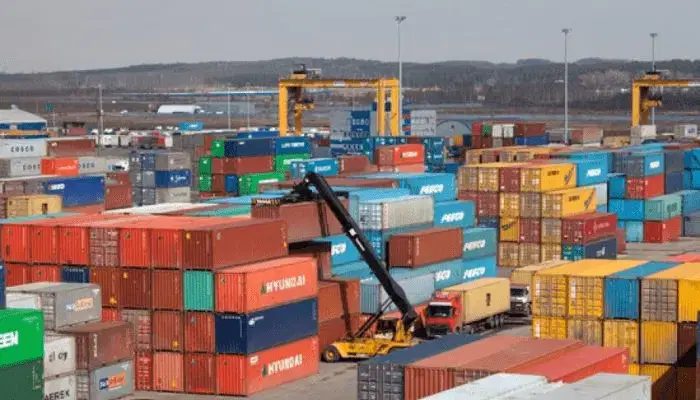
Dockworkers Threaten Nationwide Port Shutdown Over Stalled NJIC Wage Talks
Give Terminal Operators Until Week’s End to Open Wage Talks
By Emetena Ikuku | Waterways News | Lagos
Dockworkers could shut down Nigeria’s ports next week unless terminal operators begin long-delayed negotiations on a new wage agreement. The warning comes from the Dockworkers Branch of the Maritime Workers’ Union of Nigeria (MWUN).
Speaking in Lagos on Wednesday, the branch President, Comrade Bolaji Agboola, said members were increasingly angry and frustrated. He accused operators of terminals and jetties covered by the National Joint Industrial Council (NJIC) agreement of stalling talks on a review of workers’ rates.
The previous agreement expired at the end of May 2026, with new rates due to take effect from June 1, according to Agboola. He argued that dockworkers should already be earning revised rates. He said the branch’s Executive Council could no longer contain the agitation.
He urged the Federal Government to intervene through the Nigerian Maritime Administration and Safety Agency (NIMASA). He wants operators at the table before the close of work this week. Otherwise, he warned, port operations may be disrupted next week.
Agboola said the leadership had kept engaging members to manage the situation, but patience was wearing thin.
Waterways News could not immediately reach terminal operators for comment.
NIGERIA WATCH
Why it matters. A shutdown at the ports would quickly reach importers, exporters, freight forwarders and the barge and jetty operators who feed cargo to and from the terminals. Any stoppage would also hit Nigeria’s push for faster cargo clearance.
Background. NIMASA convenes the NJIC. It is a tripartite arrangement for Collective Bargaining Agreements on minimum standards for the dock labour industry. Wage reviews have run on a roughly two-year cycle, and past rounds have also dragged. In 2021, union officials complained that talks were dragging even after proposals were tabled. In October 2023, MWUN threatened to resume a suspended strike after talks with shipping employers collapsed.
What to watch.
NIMASA’s move: Whether it convenes the parties before the end of the week.
Jetty coverage: Agboola’s complaint includes jetty operators under the NJIC. Jetties are already a flashpoint between dockworkers and operators.
Inland impact: Any slowdown at the terminals will affect the waterway operators and boat transporters who move goods and people around the Lagos ports.

 Oil and Gas8 months ago
Tantita’s Pipeline Deal: $144m Contract, Rising Output, and the Questions that Deserve Answers
 MARITIME TRADE & SHIPPING8 months ago
World’s Largest Container Ship Sets New Maritime Record with 22,233 TEUs on Single Voyage
 Blue Economy9 months ago
Nigeria’s Coast Guard Bill: A Solution in Search of a Problem?