

MARITIME TRADE & SHIPPING
Sierra Leone Sets Sail on 50-Ship National Carrier Plan as Africa Races to Own Its Cargo Routes

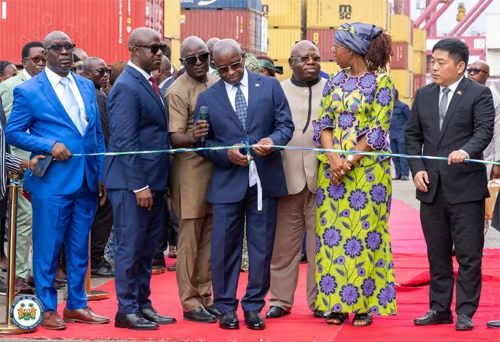

Sierra Leone Sets Sail on 50-Ship National Carrier Plan as Africa Races to Own Its Cargo Routes
Revives National Shipping Line, Offering Lessons for Nigeria’s Own Tonnage Ambitions
By Ighoyota Onaibre | Waterways News
Sierra Leone has formally launched a new national shipping company, joining a growing number of African governments determined to build indigenous fleets and cut dependence on foreign carriers.
President Julius Maada Bio presided over the unveiling of the Sierra Leone Ocean Shipping Company (SLOSCo) at the Queen Elizabeth II Quay in Freetown on Monday, October 19, 2026. The ceremony was staged beside the Chinese-owned bulk carrier XH Explorer, a 176,298-dwt, Liberian-flagged vessel built in 2003 and managed from Singapore, which trades between Sierra Leone and Asia.
SLOSCo is a joint venture between the Sierra Leone National Shipping Agency (SLNSA) and China’s Zhejiang Xiehai Group. Parliament approved the agreement in August, with Zhejiang Xiehai holding 70 per cent and SLNSA the remaining 30 per cent. The company plans a 50-vessel fleet, starting with 30 ships. No delivery timeline has been published.

The launch caps a run of maritime reforms: the Revised Merchant Shipping Act 2026, the Maritime Pollution Bill, and the SLNSA Act 2025, which converted the old Sierra Leone National Shipping Company (SLNSC), set up in 1972, into the present agency. Transport Minister Alhaji Fanday Turay said the old structure lacked the “efficiency, flexibility and authority” the sector now requires.
President Bio described the venture as “a bold step forward,” saying Sierra Leone had relied on foreign carriers for too long to move its imports and exports.
After the launch, Zhejiang Xiehai executives met the Sierra Leone Ports and Harbours Authority on improving cargo flow and easing congestion at the Port of Freetown. Investment in cargo-haulage trucks was on the table. SLOSCo is also expected to build on the direct Taizhou-Freetown service launched in December 2025.
Regional push
The move came days after the Maritime Organisation for Eastern, Southern and Northern Africa (MOESNA) endorsed a Regional Shipping Lines Network and a draft Regional Maritime Cabotage Protocol at its 10th Assembly of Ministers in Dar es Salaam. The Assembly stressed that the two must be implemented together, since each depends on the other.
The bloc’s coastline and ports are extensive, yet direct links between member states remain thin. Much intra-regional cargo is still routed through transshipment hubs outside the region, which raises freight and logistics costs. An earlier draft of the protocol proposed reserving at least 40 per cent of eligible intra-regional cargo for vessels flagged, owned and operated within member states, with each country expected to domesticate it into national law.
The real test is converting fleet plans and policy resolutions into commercially viable services that lower costs and win a larger share of Africa’s maritime trade.
NIGERIA WATCH
Sierra Leone’s announcement should interest Nigerian stakeholders for three reasons.
- Announcements are not ships. Nigeria knows how long the road from a fleet pledge to actual tonnage can be. The Nigerian National Shipping Line collapsed decades ago, and the Cabotage Vessel Financing Fund (CVFF), meant to help indigenous owners acquire vessels, remains a story of delayed disbursement. Freetown has published no delivery schedule yet. Abuja should watch whether SLOSCo’s ships materialise.
- Ownership structure matters. With a foreign partner holding 70 per cent, SLOSCo is “national” in name and flag-state ambition, but the control and profit questions are real. Nigeria’s Cabotage Act is built on indigenous ownership and crewing, and that difference deserves attention as the regional debate grows.
- Small operators are missing from the conversation. Both the SLOSCo launch and the MOESNA protocol focus on deep-sea and regional carriers. For Nigeria’s informal and small-scale inland and coastal waterway operators, the lesson is that indigenous capacity must include financing, safety standards and market access for the boat owners and transporters who move most of the country’s local water traffic. Associations such as WABOTAN and ATBOWATON will want to ask where they sit in any national fleet agenda.
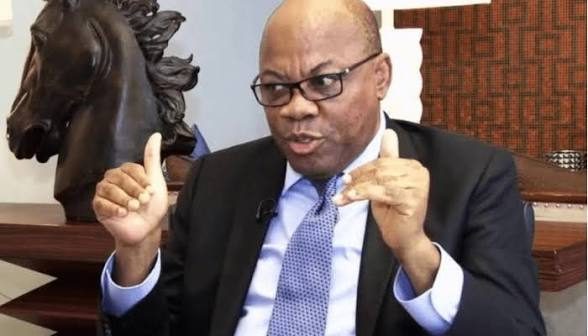
Don’t Just Fund Vessels, Guarantee Cargo, Agbakoba Tells Government at SCAN Summit
Maps Path to Low-Risk Finance for Indigenous Fleet
By Ighoyota Onaibre | Waterways News
Nigeria will draw private capital into indigenous shipping only if it offers shipowners guaranteed cargo, bankable contracts and regulatory certainty. Government-financed vessels alone will not do it, maritime lawyer Mr Olisa Agbakoba (SAN) has said.
Agbakoba spoke on Thursday, 29 October 2026, at the annual summit of the Shipping Correspondents Association of Nigeria (SCAN) in Lagos. The theme was “Low-Risk Capital for Indigenous Shipowners: Overcoming Regulatory and Financial Bottlenecks.” He was represented by maritime lawyer Mr John-Paul Akunne.
He said the theme speaks to turning Nigeria’s maritime potential into a commercially viable indigenous industry that keeps more freight earnings in the country. Despite large cargo volumes, he noted, Nigerian shipowners still struggle to access finance and dependable commercial opportunities.
A national fleet, he said, would retain freight earnings, create jobs for seafarers, strengthen ship management and repair services, and widen Nigeria’s role in domestic, regional and international shipping. But fleet development requires more than buying vessels. It also needs commercially viable ships, competent operators, dependable cargo demand and sustainable financing.
Agbakoba acknowledged that ship finance carries risks tied to vessel values, foreign exchange, insurance, operating costs and freight rates. He said these can be managed through proper legal, technical and financial due diligence. Lenders, he said, must verify vessel ownership, registration, mortgages, insurance, regulatory compliance and the borrower’s capacity to repay. Ship mortgages, guarantees and the assignment of charter earnings and insurance proceeds can provide adequate security.
Collateral alone cannot make an unviable project bankable, he stressed. Vessels need reliable revenue backed by enforceable cargo or charter contracts, because ships without dependable employment struggle to secure funding.
The former President of the Nigerian Maritime Law Association urged oil majors, terminal operators and cargo owners to engage qualified Nigerian shipowners under commercially viable contracts. Those contracts should specify cargo volumes, duration, freight rates, performance standards and payment obligations.
He pointed to the Coastal and Inland Shipping (Cabotage) Act 2003 and the Nigerian Oil and Gas Industry Content Development Act 2010 as existing frameworks for greater local participation. He called for effective enforcement, transparent administration of waivers and better access to cargo for indigenous operators.
Agbakoba also named regulatory uncertainty as a driver of investment costs. He urged closer coordination among NIMASA, the Federal Ministry of Marine and Blue Economy, the Nigerian Ports Authority and the Nigerian Ports Economic Regulatory Agency.
On the Cabotage Vessel Financing Fund (CVFF), he said the fund remains important but should complement commercial lending, development finance and private investment. He called for transparent eligibility criteria, rigorous credit assessment, adequate collateral and effective monitoring.
He recommended six priority measures for sustainable fleet development:
- Cargo-backed financing
Improved cargo access
Regulatory coordination
Mobilisation of private capital
Stronger maritime capacity
An implementation framework with clear timelines and measurable outcomes
Nigeria Watch
The numbers behind the theme. Pre-summit reports put indigenous shipowners at only about four to five per cent of the market. SCAN President Moses Ebosele blamed funding gaps, high interest rates and regulatory bottlenecks for the low local participation. Another report quoted SCAN as saying foreign operators control more than 95 per cent of the trade.
CVFF: movement, but old doubts. The fund Agbakoba wants to see complement private capital has finally begun to move after more than two decades.
President Tinubu approved disbursement more than two decades after the fund was established without Nigerian shipowners accessing it. Earlier reports said NIMASA opened applications for a $25 million tranche on January 22, 2026, drawing about 60 applicants, while some stakeholders remain cautious, citing past unfulfilled promises. Reported fund sizes vary across outlets, from the $25 million tranche to a headline figure of $700 million.
The cargo question is the real test. Agbakoba’s argument shifts the debate from who funds vessels to who guarantees work for them. That cuts to a long-running grievance in the sector. Indigenous operators objected to the launch of Unity Shipping World, the NNPC Shipping, Stena Bulk and Caverton joint venture, calling it a deliberate attempt to undermine Nigeria’s shipowners.
Whether oil majors and cargo owners will sign long-term, enforceable contracts with Nigerian owners is the question that will decide if financing translates into ships on the water.
What it means for waterway operators. For the informal and small-scale operators Waterways News follows, the principle holds at their scale too. Without structured access to cargo and passenger contracts, even well-intentioned funds will struggle to reach the boat owners and transporters who need them.
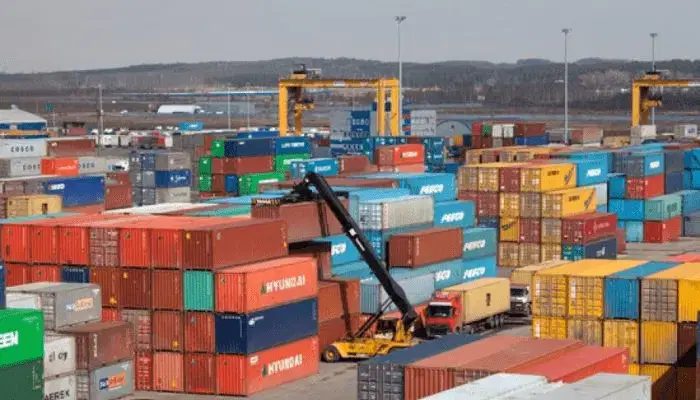
Dockworkers Threaten Nationwide Port Shutdown Over Stalled NJIC Wage Talks
Give Terminal Operators Until Week’s End to Open Wage Talks
By Emetena Ikuku | Waterways News | Lagos
Dockworkers could shut down Nigeria’s ports next week unless terminal operators begin long-delayed negotiations on a new wage agreement. The warning comes from the Dockworkers Branch of the Maritime Workers’ Union of Nigeria (MWUN).
Speaking in Lagos on Wednesday, the branch President, Comrade Bolaji Agboola, said members were increasingly angry and frustrated. He accused operators of terminals and jetties covered by the National Joint Industrial Council (NJIC) agreement of stalling talks on a review of workers’ rates.
The previous agreement expired at the end of May 2026, with new rates due to take effect from June 1, according to Agboola. He argued that dockworkers should already be earning revised rates. He said the branch’s Executive Council could no longer contain the agitation.
He urged the Federal Government to intervene through the Nigerian Maritime Administration and Safety Agency (NIMASA). He wants operators at the table before the close of work this week. Otherwise, he warned, port operations may be disrupted next week.
Agboola said the leadership had kept engaging members to manage the situation, but patience was wearing thin.
Waterways News could not immediately reach terminal operators for comment.
NIGERIA WATCH
Why it matters. A shutdown at the ports would quickly reach importers, exporters, freight forwarders and the barge and jetty operators who feed cargo to and from the terminals. Any stoppage would also hit Nigeria’s push for faster cargo clearance.
Background. NIMASA convenes the NJIC. It is a tripartite arrangement for Collective Bargaining Agreements on minimum standards for the dock labour industry. Wage reviews have run on a roughly two-year cycle, and past rounds have also dragged. In 2021, union officials complained that talks were dragging even after proposals were tabled. In October 2023, MWUN threatened to resume a suspended strike after talks with shipping employers collapsed.
What to watch.
NIMASA’s move: Whether it convenes the parties before the end of the week.
Jetty coverage: Agboola’s complaint includes jetty operators under the NJIC. Jetties are already a flashpoint between dockworkers and operators.
Inland impact: Any slowdown at the terminals will affect the waterway operators and boat transporters who move goods and people around the Lagos ports.
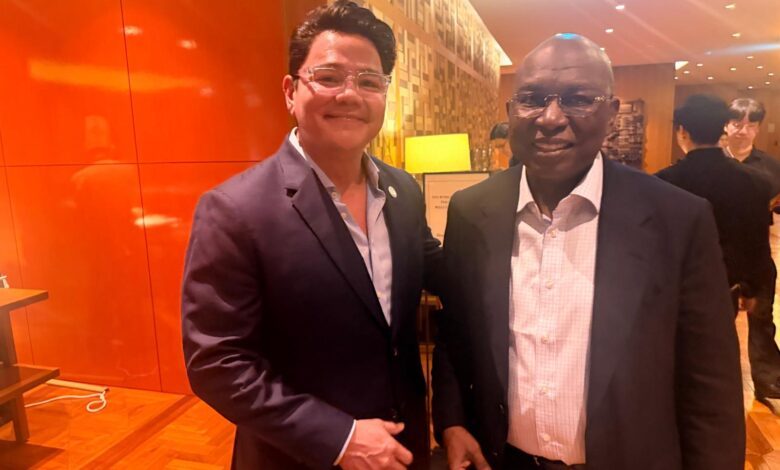
From Busan, Nigeria Presses for Global Maritime Partnerships That Deliver Real Results
Mobereola Tells Busan Maritime Gathering Nigeria Wants Partnerships With Measurable Gains
By Okeoghene Onoriobe | Waterways News
Nigeria has called for stronger international cooperation in the maritime sector. It wants partnerships that support knowledge sharing, technological innovation and a safer, more efficient and environmentally sustainable global shipping industry.
The call came from the Director-General of the Nigerian Maritime Administration and Safety Agency (NIMASA), Dr Dayo Mobereola. He spoke at the 2026 World Maritime Day Parallel Event in Busan, Republic of Korea, where he represented the Minister of Marine and Blue Economy, Adegboyega Oyetola.
Mobereola said engagements at such global gatherings must translate into practical partnerships that deliver measurable benefits to participating countries. He named stronger maritime regulation, professional capacity development and improved industry competitiveness as the areas where cooperation could deliver the most tangible results.
He said Nigeria intends to use the event to strengthen its regulatory performance and expand opportunities for Nigerian maritime professionals. It also wants to improve its standing in the global industry, in line with the Federal Government’s Marine and Blue Economy agenda. Sustained international cooperation, he added, remains essential to tackling emerging challenges in global shipping while promoting innovation and a sector that puts safety, operational efficiency and environmental responsibility first.
Mobereola led Nigeria’s delegation to the gathering, which brought together maritime leaders, policymakers and industry stakeholders to discuss developments in global shipping and explore areas of cooperation.
On the sidelines, he met former International Maritime Organization (IMO) Secretary-General Kitack Lim. He thanked Lim for his contributions to global maritime development during his tenure at the UN agency. The meeting also stressed the value of continued dialogue among maritime leaders in advancing shared industry objectives.
The Parallel Event, hosted in Busan on 26 and 27 October, is held in a different country each year alongside the main World Maritime Day celebration. This year’s edition follows the IMO’s 2026–2027 theme, “From Policy to Practice: Powering Maritime Excellence.” The IMO is running that theme for two consecutive years for the first time, with the focus on effective national implementation of international maritime rules.
NIGERIA WATCH
The Busan message fits the theme: partnerships must produce measurable results. Nigeria’s maritime sector has no shortage of policy announcements. The test is whether they reach the people they were meant for.
Operators on the inland waterways have waited long for that kind of delivery. These include boat owners, transporters and small-scale operators, such as those represented by WABOTAN and SWAAADO.
Stronger regulation, capacity development and competitiveness are worth little to them unless the benefits reach their jobs, safety and access to finance. Recurring questions around the Cabotage Vessel Financing Fund (CVFF) and the long-running jurisdictional tensions between NIWA and LASWA show where policy and practice still diverge.
For the capacity-building promise, stakeholders should watch for specifics:
Which training programmes and scholarships follow from Busan.
Whether they extend beyond deep-sea shipping to inland waterway and coastal operators.
What regulatory improvements NIMASA can show by its next reporting cycle.
If Nigeria wants international partnerships judged on results, its own delivery record at home will be judged the same way.

 Oil and Gas8 months ago
Tantita’s Pipeline Deal: $144m Contract, Rising Output, and the Questions that Deserve Answers
 MARITIME TRADE & SHIPPING8 months ago
World’s Largest Container Ship Sets New Maritime Record with 22,233 TEUs on Single Voyage
 Blue Economy9 months ago
Nigeria’s Coast Guard Bill: A Solution in Search of a Problem?