Maritime Labour and Trade Union
Workers and Owners Must Learn to Work Together — Comrade Larry Charts Bold Course for Lagos Waterways

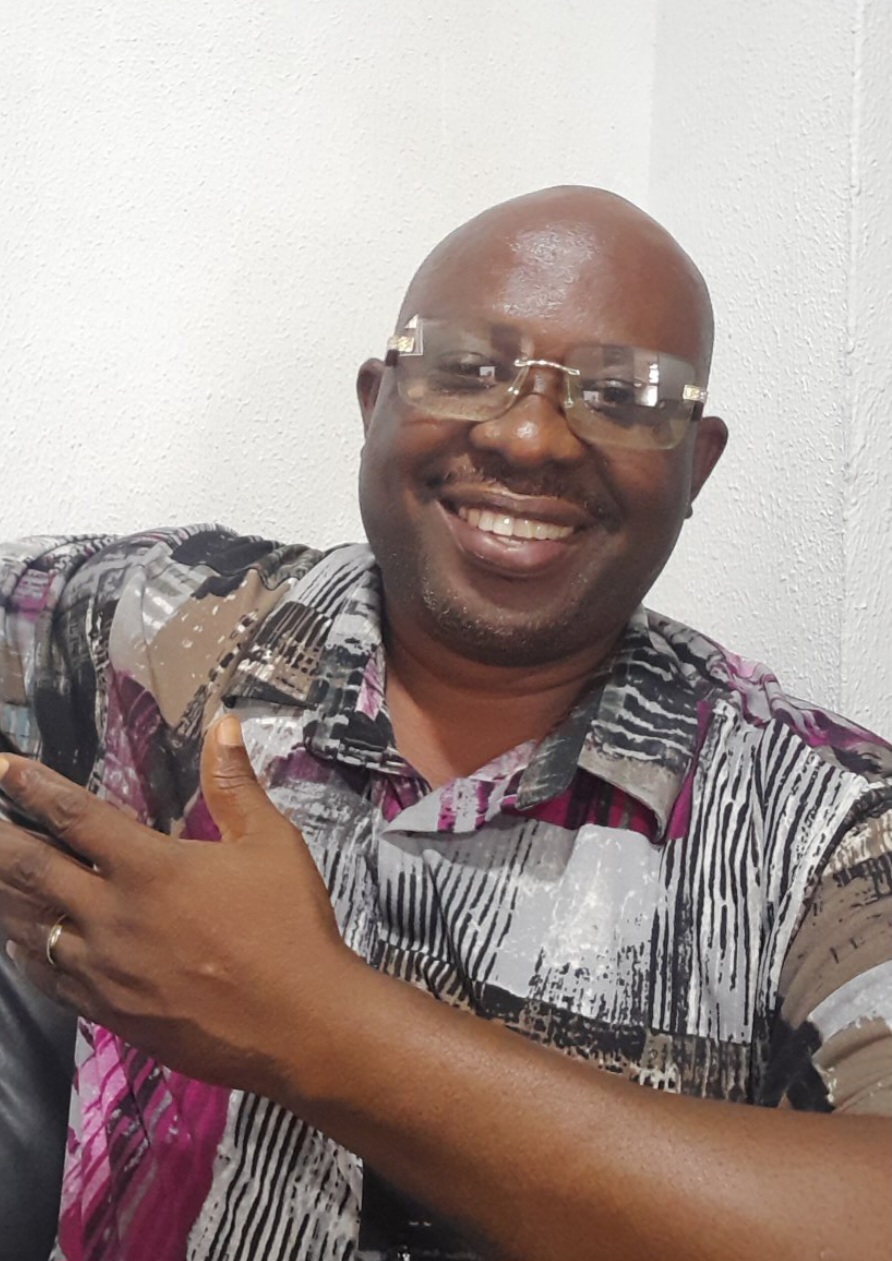
Workers and Owners Must Learn to Work Together — Comrade Larry Charts Bold Course for Lagos Waterways

In an exclusive interview with Waterways News, the newly elected Secretary of the Lagos Commercial Private Boat District of the Maritime Workers Union of Nigeria (MWUN), Comrade Osaweren O. Larry, opens up on the state of Nigeria’s inland waterways, the urgent need for a
unified approach between workers’ unions and boat owners’ associations, and his vision for a safer, more prosperous sector.
Interview conducted by Oghenewoke Onoriode, Waterways News Reporter | Lagos | March 9, 2026
Nigeria is a nation blessed with one of the most extensive inland waterway networks on the African continent — over 10,000 kilometres of rivers, creeks, lagoons, and intra-coastal waters that
thread through 28 of the country’s 36 states. Yet, for decades, this vast blue infrastructure has remained an underperforming asset, weighed down by regulatory uncertainty, decaying jetties, safety crises, and the chronic misalignment between those who own the boats and those who operate them.
In Lagos, the commercial nerve centre of Nigeria and home to one of the busiest inland waterway systems in West Africa, that misalignment is felt most acutely. A landmark Supreme Court ruling of January 5, 2024, declared the National Inland Waterways Authority (NIWA) the sole lawful regulator of inland waterways in Nigeria.

For workers and operators already
navigating daily uncertainty, the question is no longer just who rules the water, but whether the sector’s own internal stakeholders could unite to seize the moment.
It is into this charged environment that Comrade Osaweren O. Larry has stepped in as the newly elected Secretary of the Lagos Commercial Private Boat District of the Maritime Workers Union of Nigeria (MWUN), one of the most strategically important district-level positions in the labour union. Oghenewoke Onoriode of Waterways News, sat down with him for an in-depth conversation about the state of the sector, the critical distinctions and intersections between workers’ unions and boat owners’ associations, and the district agenda for the years ahead, under the leadership of the newly elected chairman, Comrade Patrick Owolabi Omotayo.
THE INTERVIEW
Q: Congratulations on your election, Comrade Larry. For the benefit of our readers, what exactly is the Lagos Commercial Private Boat District, and what role does the Secretary play within the structure of the Maritime Workers Union of Nigeria?
A: Thank you very much. First, I would want to say, I am responding in my capacity as the secretary of the Lagos Commercial Private Boat District, and by this, I want to appreciate the members of the Lagos Commercial Private Boat District who placed their confidence in me, particularly the district chairman Comrade Omotayo Owolabi. The district is one of the key units within the Maritime Workers Union of Nigeria, specifically under the waterway transport wing. Our district covers commercial boat operators, the Skippers who drive the boats, the deckhands, and all maritime workers employed by private boat owners and commercial ferry operators across the Lagos waterway corridor — from Badagry in the west to Ikorodu in the east, and the various creek routes in between. The Secretary, in our structure, is the
administrative heartbeat of the district. I handle all correspondences, maintain the register of members, coordinate with the branch leadership at the national level, document resolutions, and ensure that decisions taken in the interest of our workers are properly communicated and
implemented. It sounds administrative, but in practice it is a deeply an activist role. You are managing grievances, pushing policies, and ensuring the union remains relevant to every deckhand and boat driver on the water.
“The waterway is our workplace, and like every workplace, it must be safe, regulated, and dignified. That is the non-negotiable starting point.”
Q: Nigeria’s inland waterways sector has been described as a sleeping giant. What is your honest assessment of where we are today, particularly in Lagos?
A: That metaphor is apt, but I would add that it is a giant that is beginning to stand. For too long, we treated water transport as the poor cousin of road transport. Lagos has approximately 16 percent of its land mass covered by lagoons, creeks and other water bodies — that is an extraordinary gift. NIWA’s own data puts Nigeria’s waterway network at over 10,000 kilometres. And yet, if you compare investment in our roads versus investment in our waterways, the disparity is embarrassing. What we are seeing now is a slow awakening. The €410 million Omi Eko electric ferry project, which is a Lagos State initiative, signals that someone, somewhere, understands the potential. NIWA’s proposal to dredge 2,000 kilometres of navigable waterways and complete the Lokoja Inland Port in Lokoja is another positive signal. But
these are still largely policy conversations. On the ground, the average boat worker in Lagos is still
operating in an environment with poor jetty infrastructure, inadequate safety equipment, and wages that have not kept pace with the cost of living since the fuel subsidy removal. That is the reality we must confront as union officers
Q: The Supreme Court’s January 2024 ruling that NIWA is the exclusive regulator of inland waterways, effectively nullifying key provisions of the LASWA Law, was a major legal
development. How has that ruling impacted workers on the Lagos waterways?
A: It was a landmark ruling, and in the long run, it should be positive. For years, Lagos boat operators — both owners and workers — were subjected to double taxation. You had NIWA collecting levies, and LASWA collecting levies, and both claiming authority to license and regulate. The confusion was maddening. The Supreme Court resolved that inland waterways are on the exclusive legislative list, meaning only the National Assembly has authority to legislate on the matter. NIWA, established by an Act of the National Assembly, is therefore the lawful authority. But here is the complication: LASWA had become operationally entrenched. LASWA trained personnel, constructed approximately 28 active jetties, terminal management, and a functional enforcement presence. You cannot simply switch off that institutional infrastructure overnight. What we need now is a seamless transition and cooperation between the two bodies — the federal and the state — so that services do not collapse while the legal dust settles. Workers are caught in the middle when agencies are fighting over jurisdiction. Our position in the union is clear: whichever authority is legally in charge must protect the welfare and safety of those who work on the water.
“Double taxation was killing operators. You had two government agencies demanding money, and workers were the ones absorbing the cost.”
Q: There is often confusion, even among people in the sector, about the distinct roles of the Maritime Workers Union of Nigeria and organisations like the Associations of Boat Owners. Can you clearly explain the difference?
A: This is one of the most important questions you can ask, and I am glad you raised it. These organisations serve fundamentally different constituencies, and confusing them creates real problems. The Maritime Workers Union of Nigeria is a trade union. We represent workers — the employees in the maritime sector. Our members are the boat drivers, deckhands, captains of
commercial boats, ticketing staff, jetty workers, and all categories of employees in inland water transportation. We are affiliated to the Nigeria Labour Congress. Our mandate is to protect the rights,
wages, working conditions, and welfare of these workers. We negotiate collective bargaining agreements on their behalf. We push for safety standards because our members also lose their lives when a boat capsizes. We advocate for training and certification because our members are the ones who face criminal liability when accidents happen due to lack of skill. Boat owners’ associations represent the interests of the boat owners themselves. These are business owners. They own the vessels. Their primary concerns are craft licensing, levies, operational permits, profitability, and the
regulatory environment that affects their business. They are not workers; they are employers. Now, here is where it gets nuanced. In Lagos and many other states, you have what I call the ‘owner-operator’ — a person who owns one or two boats and also drives or manages them personally. In that situation, the same individual wears both hats. But the organisational roles must remain distinct.
The union protects the worker. The associations advocate for the boat owners When these get conflated, workers end up with no effective voice, because business interests will always dominate when the two are merged.
Q: So what happens in practice when the interests of boat owners and boat workers come into conflict?
A: It happens regularly. The most common conflict is over wages and work conditions. A boat owner wants to maximise trips per day to maximise revenue. He may resist minimum rest periods for boat drivers. He may resist paying for life jackets and safety equipment, preferring to pass that cost to
workers. He may hire unlicensed hands at lower wages to cut costs. The union’s job is to say no. There are minimum standards. There are negotiated wage floors. There are safety requirements that cannot be waived for profit. Another area of conflict is the classification of workers. Some boat owners try to classify boat drivers as ‘independent contractors’ rather than employees, specifically to avoid paying them benefits and union dues. We have had to fight these reclassifications in several districts. The union is the institutional counterweight to these practices. That is why our existence is not just about labour rights in the abstract. It is about the daily dignity of the man who starts that engine at 5am in the morning so that Lagos commuters can get to work.
“The boat owner owns the vessel. The worker powers it. Both are essential — but only one of them wakes up worrying about wages and safety. That is who the union exists for.”
Q: Safety on Lagos waterways remains a serious concern. Boat accidents, often deadly, continue to occur. What is the union’s position on this, and what systemic changes are needed?
A: This keeps me awake at night. Nigeria’s inland waterways are accident prone. The causes are well understood: overloaded boats, night-time operations without proper lighting, engine failures due to lack of maintenance, operators without proper training or certification, the absence of search and rescue infrastructure, and of course, the scourge of water hyacinth — that invasive plant that has blocked ferry terminals, stalled boats mid-journey, and turned our waterways into obstacle courses. What happened at Christmas 2024, when passengers were stranded at the Ikorodu Ferry Terminal because of water hyacinth blocking the waterway — that is not an isolated incident. It is a systemic failure. The union’s position is that safety cannot be left to individual boat owners. It must be a regulatory floor enforced by NIWA, and workers must be trained and empowered to refuse to operate unsafe vessels without fear of losing their jobs. Currently, a boat driver who refuses to operate an overloaded boat risks dismissal. We need whistleblower protections for maritime workers who raise safety alarms. We need mandatory licensing and certification for all operators. We need NIWA to deploy more water marshals, and we need the proposed Waterways Code to be aggressively enforced.
Q: The Lagos State Government has announced the phase-out of banana boats in favour of larger vessels like the Omi Bus, and there is the ambitious Omi Eko electric ferry project. What is the union’s stance on these modernisation plans?
A: We support modernisation, but modernisation must not come at the cost of existing workers. If you phase out banana boats, and those boats employ thousands of engine drivers, deckhands, and operators, you must have a plan for those workers. The government says licensed operators will be able to bid for Omi Bus concessions. That is good. But bidding requires capital, and most of our
members are workers, not owners. What we are demanding is that any modernisation programme include a comprehensive retraining and reskilling scheme for existing waterway workers,
so that the engine driver of a banana boat becomes a certified operator of an electric ferry rather than being a casualty of modernization
The Omi Eko electric ferry project, supported by the EU, the French
Development Agency, and European Investment Bank to the tune of €410 million, is potentially transformative. It promises 75 electric ferries, 25 modernised terminals with digital payment systems and charging infrastructure, and integration with road and rail. But if the jobs created by this project are filled by new hires from outside the existing workforce, we will have a social crisis on our hands. We are engaging with the relevant authorities now to ensure that retraining provisions are built into the project design.
“Modernisation is welcome. But progress that leaves workers behind is not progress — it is just another form of exploitation wearing a new uniform.”
Q: What is your message to boat owners’ associations about the kind of relationship you want to build with them going forward?
A: My message is this: We are not adversaries. The union and the boat owners’ associations must understand that a thriving waterway sector benefits everyone — workers and owners alike. What kills the sector is instability, unsafe operations, regulatory chaos, and a workforce that is exhausted, underpaid, and unprotected. When a boat capsizes because the engine driver was overworked and undertrained, the owner loses a vessel, the operator faces criminal charges, the passengers lose
their lives, and the entire route loses ridership. The costs of poor labour relations are paid by everyone. We want to build structured dialogue channels between our district and the operators’
associations. We want to develop a joint safety charter that both the union and the associations sign onto — minimum standards of vessel maintenance, maximum passenger loads, mandatory rest periods for operators, and insurance coverage for workers. We can advocate together to NIWA for better jetty infrastructure, better lighting on night routes, faster water hyacinth clearance. On these issues, the workers and the boat owners have identical interests. It is only when the owners try to extract profit by exploiting workers that we become adversaries. Choose not to exploit us, and we become your strongest partners.
Q: Nigeria’s National Assembly currently has before it the NIWA Act Repeal and
Reenactment Bill 2025. What is the union’s position on this legislation?
A: We are watching it very closely. The bill seeks to address some of the gaps in the existing NIWA framework — particularly around jurisdictional conflicts between federal and state authorities, and the limited participation of the private sector. Both of these are legitimate concerns. However, our specific interest as a union is in ensuring that any new legislation contains robust provisions for labour rights in the waterways sector. The current NIWA Act is largely operational and regulatory in focus; it does not adequately address the welfare of workers employed in the sector. We want the new legislation
to include clear provisions on minimum safety standards for workers, the right of workers to organise and collectively bargain, mandatory insurance and compensation frameworks for accidents, and the recognition of the union as a formal stakeholder in regulatory processes. We will be making formal submissions to the National Assembly on these points. No law that governs our waterways should be enacted without the voice of the people who work on the waters.
Q: Finally, Comrade Larry — what is your personal vision for the Lagos Commercial Private Boat District in the next four years, and what would success look like to you?
A: Success, for me, is very specific. It looks like a boat driver in Lagos who goes to work every morning knowing that his boat is certified safe, that he has a union card that guarantees him a fair
wage, that if he is injured on the water there is an insurance mechanism to support him, and that he can come home to his family at the end of the day. It looks like a sector where boat owners and operators cooperate professionally rather than through exploitation. It looks like jetties that are not crumbling, waterways that are free of hyacinth, and routes that are lit at night. It looks like young Nigerians who see inland water transportation as a respectable, rewarding career — not a choice of last resort. Within the district, I want to grow our membership, improve our training programmes in partnership with the Maritime Academy of Nigeria and other bodies, and establish a welfare fund for
members who fall on hard times. I want our district to be a model of what an active, engaged, and member-driven union looks like in the Nigerian maritime space. The water is our livelihood. We will not rest until it is also our dignity.
— END OF INTERVIEW —© 2026
WaterwaysNews.ng | All rights reserved | For permissions and syndication, contact editorial@waterwaysnews.ng

Maritime Labour and Trade Union
MWUN Renews Grassroots Leadership Across Ten Lagos Waterway Units in Simultaneous Elections
MWUN Renews Grassroots Leadership Across Ten Lagos Waterway Units in Simultaneous Elections
Lagos Commercial Private Boat District conducts constitutional polls at key jetties from Mile 2-Mazamaza, through Liverpool-Apapa, to Ebute-Ero Lagos Island, ushering in fresh four-year mandates
By Oghenewoke Onoriode| Waterways News Reporter, Lagos | March 28, 2026
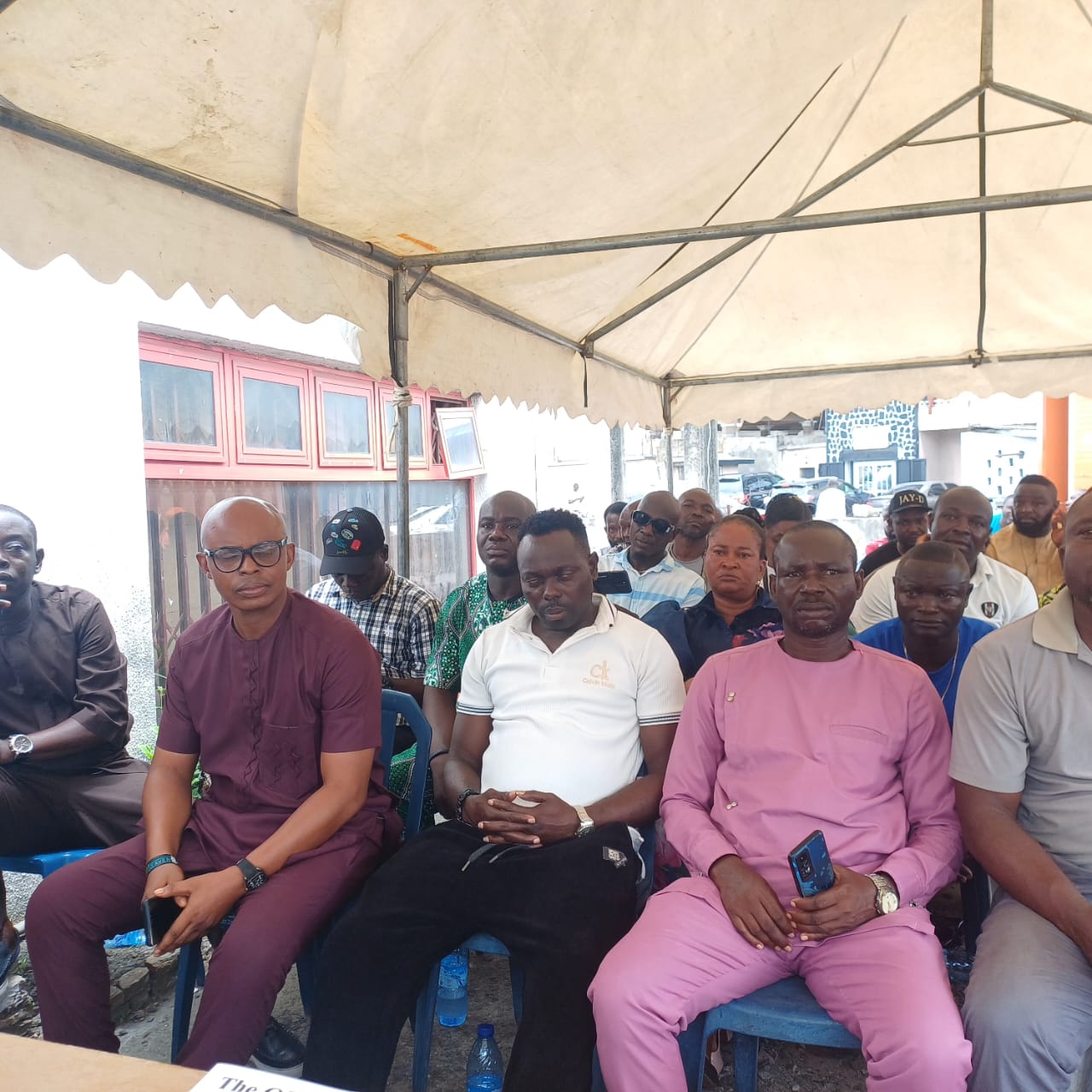
The Lagos Commercial Private Boat District of the Maritime Workers Union of Nigeria (MWUN) on Saturday 28 March 2026, conducted simultaneous elections across ten units and jetties on the Lagos inland waterways, producing new executive committees that will govern each unit for the next four years in line with the MWUN Constitution.
The exercise spanned some of the busiest waterfront communities in the state, covering Liverpool Jetty, Ejalonibu, Irede Jetty, Allens Jetty, Tie-Gate Jetty, Ebute-Ero Jetty, Ojo-Sifax Jetty, Coconut/Unity Jetty, Ijegun-Egba Jetty, and Mile 2-Mazamaza Jetty units.
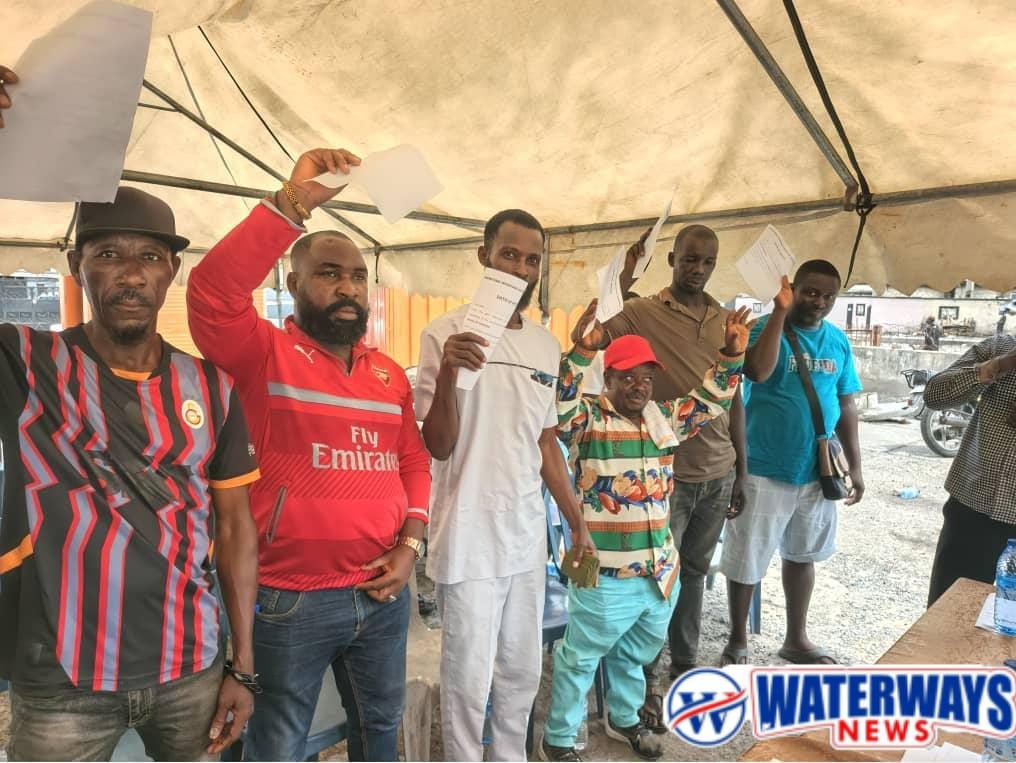
Elected officers of Coconut/Unity Jetty
Outgoing Structures Dissolved Before Polls
In a procedural step that set the tone for transparency, District Secretary Comrade Osaweren O. Larry formally moved to dissolve all existing executive committees ahead of the vote. The motion was proposed by Comrade Samuel Folarin, seconded by Comrade Babamagaji, and subsequently adopted — clearing the path for clean, unencumbered elections across all participating units.
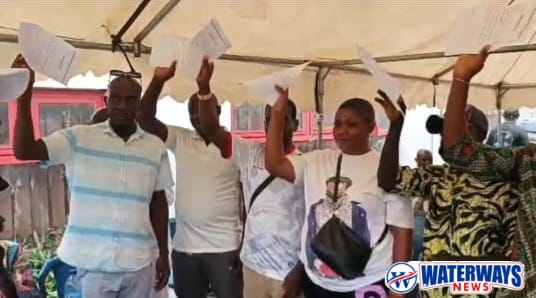
Irede Jetty Officers
For units not immediately prepared to proceed, Comrade Larry announced that caretaker committees would be constituted, with a firm three-month ceiling on their operation. Affected units must hold their elections within that window.
Chairman Calls for Integrity at the Helm
Delivering the opening address, District Chairman Comrade Omotayo Patrick Owolabi charged all emerging unit chairmen to lead with integrity, professionalism, and a clear sense of duty to their members. He urged incoming officers to subordinate personal interests to the welfare of the union and its rank and file as they settle into their new responsibilities.
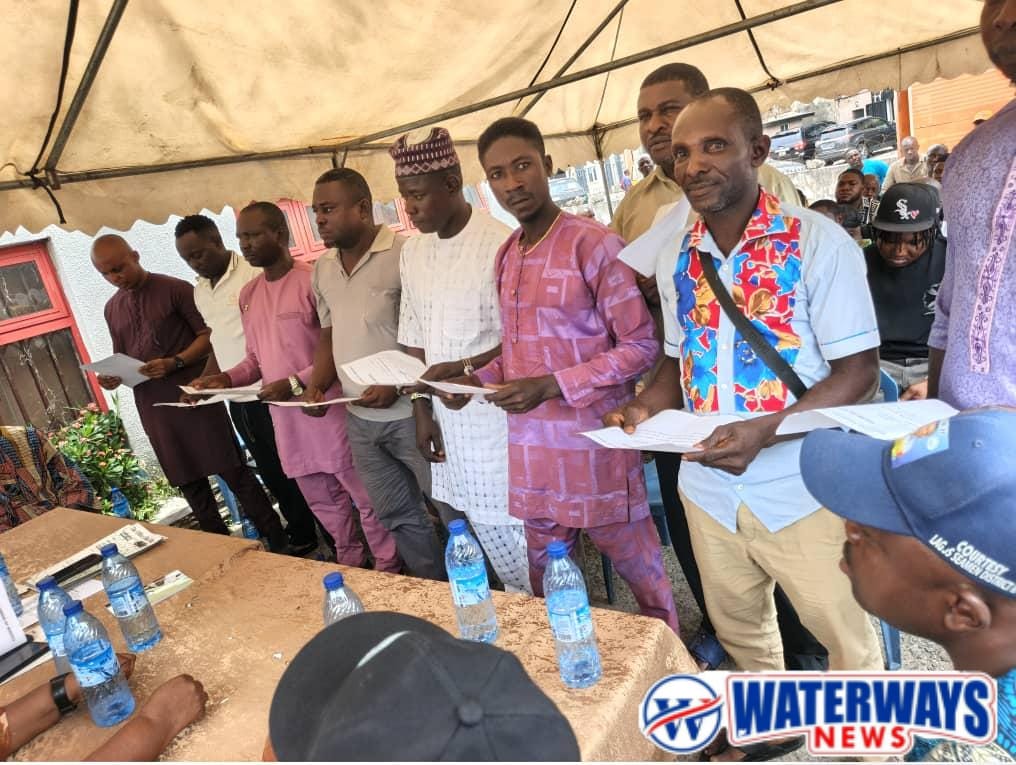
Elected officers of Liverpool Jetty
Why This Matters for the Lagos Waterways
The Lagos inland waterways are among the most heavily utilised transport corridors in West Africa, moving tens of thousands of commuters and cargo daily across a network of jetties that stretch from the Lagos Lagoon to the creeks of Ijegun-Egba and beyond. Unit-level leadership within MWUN is not ceremonial — these executives are the first line of advocacy for boat crew welfare, safety compliance at jetty terminals, and orderly day-to-day operations on the water.
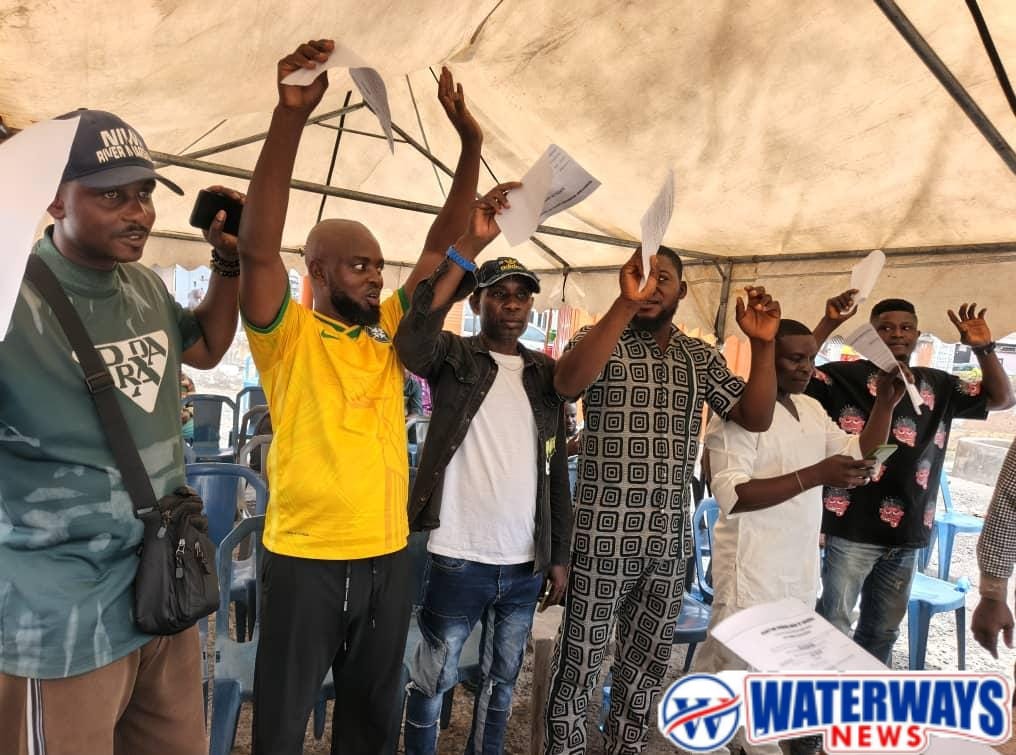
Elected officers of Tie-gate Jetty
With fresh mandates now in place, maritime stakeholders along the waterfront will be watching to see whether the new committees can drive stronger enforcement of safety protocols, sharper welfare representation, and better coordination with the Lagos State Waterways Authority (LASWA) and the National Inland Waterways Authority (NIWA) on operational matters.
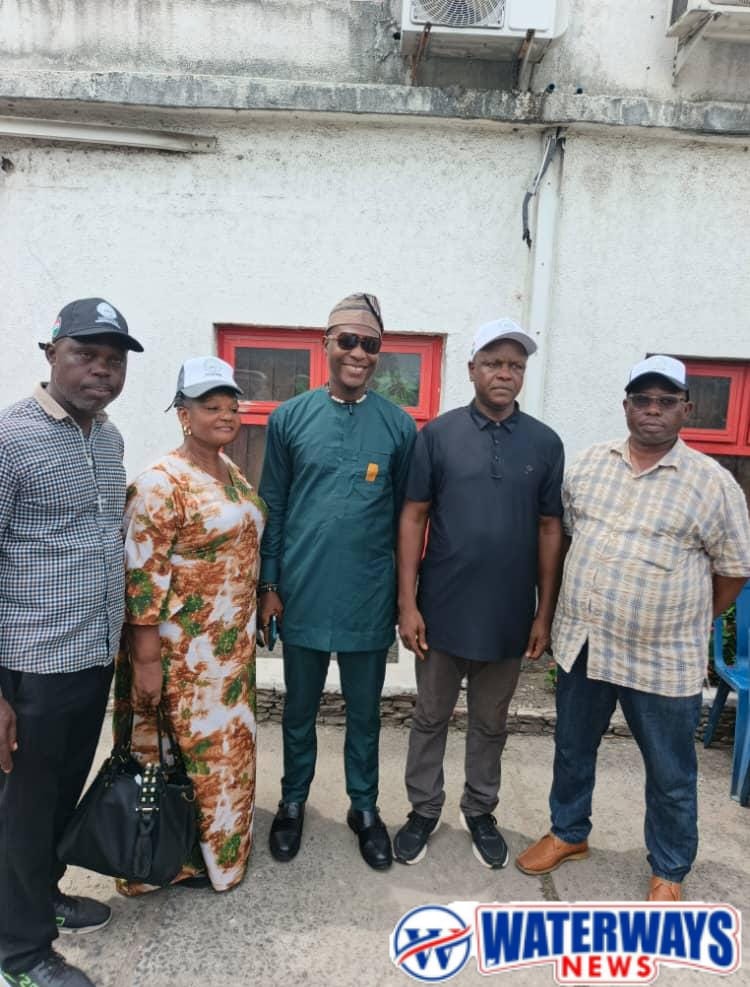
Elected officers of Mile 2 Mazamaza Jetty, the District Chairman and Secretary
Nigeria Watch
The renewal of unit leadership within MWUN’s Lagos district comes at a moment of heightened attention on inland waterway governance. NIWA and LASWA have both signalled intentions to tighten regulation of commercial boat operations in Lagos, including vessel certification, operator licensing, and jetty safety standards. Strong, democratically legitimate union structures at the grassroots level will be essential counterparts in those regulatory conversations — giving boat workers a credible voice in policy processes that directly affect their livelihoods and the safety of the millions of Lagosians who rely on waterway transport daily.
A cross section of delegates
The Federal Ministry of Marine and Blue Economy will also be keen to see MWUN’s internal democracy functioning robustly, as any future push to expand the Cabotage framework or formalise inland waterway labour standards will require organised, accountable worker representation from the jetty level upward.
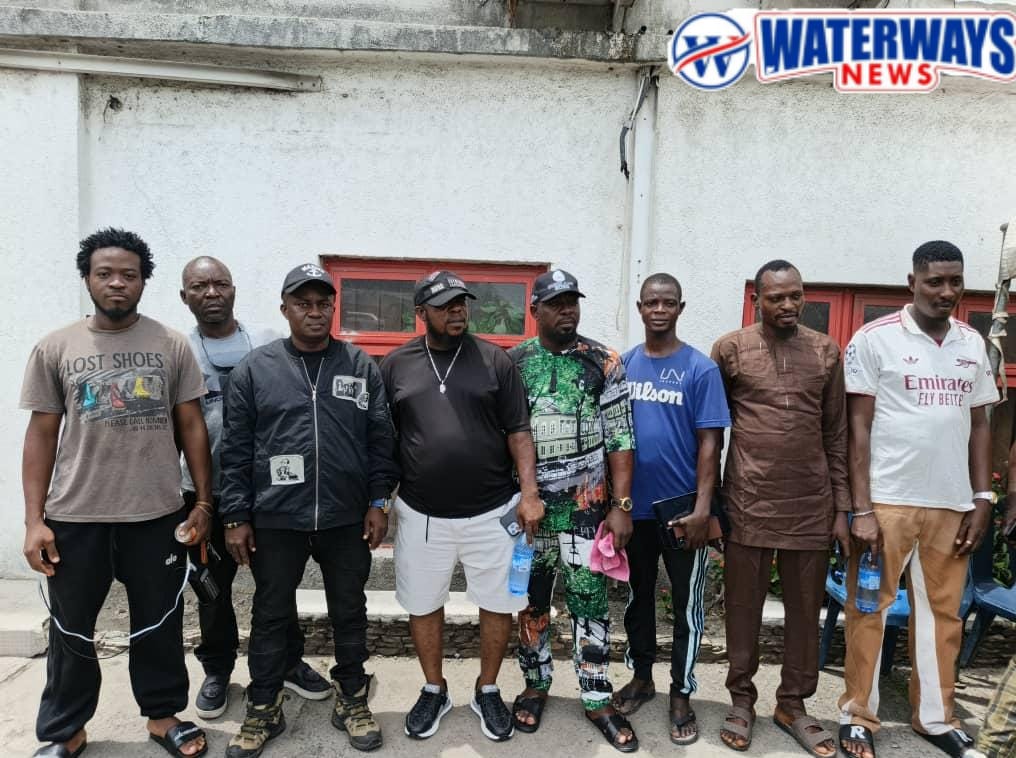
Allens Jetty Unit Officers
The elected officers across the Jetties are:
LIVERPOOL JETTY EXECUTIVES.
1. BABATUNDE WILSON.- CHAIRMAN
2. SAMUEL OLADIPUPO JOSEPH – VICE CHAIRMAN
3. AJIBULU STEVEN – SECRETARY
4. EGBAYELO DAISI – ASST. SECRETARY
5. NATHANIEL GBENGA OLAYUNJI – TREASURER
EJALONIBU UNIT EXECUTIVE
1. OKEBUKOLA OLATUNJI JAMES – CHAIRMAN
2. IDOWU S. ANTHONY – VICE CHAIRMAN
3. WILLIAMS A. MARY – SECRETARY
4. HUNSA EMMANUEL VIYON – ASST. SECRETARY
5. SILVANUS AGBESI ALFRED – TREASURER
IREDE JETTY UNIT EXECUTIVES
1. AKINGBADE MOSES ADETUNJI – CHAIRMAN
2. EMMANUEL BROWN – VICE CHAIRMAN
3. OLABIDE ATOYEGBE – SECRETARY
4. ADEYEMI MEDOYE – ASST. SECRETARY
5. UGBUDU ONYEKWA BENJAMIN – TREASURER.
ALLENS JETTY UNIT
1. STEPHEN MOMOH – CHAIRMAN
2. TONY TAOFIK SOFOLUWE – VICE CHAIRMAN
3. ADENIYI ADETUNJI – SECRETARY
4. ESE OTITE – ASST. SECRETARY
5. AYIN SOLOMON MCBLUE – TREASURER
TIE-GATE JETTY UNIT
1. OMOGBEMI JOSHUA – CHAIRMAN
2. HOUSA ALEX – VICE CHAIRMAN
3. AJAKA MONDAY – SECRETARY
4. AJIBADE DAMILARE – ASST SECRETARY
5. FOLARIN OLADEJI – TREASURER
EBUTE-ERO JETTY UNIT
1. SAMUEL OLUWASEYI – CHAIRMAN
2. GANIU YUSUF – VICE CHAIRMAN
3. KAFFO LATEEF – SECRETARY
4. MUSTAPHA TOYIN SANNI – ASST SECRETARY
5. HENRY NDUKA AGI – TREASURER
COCONUT/UNITY JETTY
1. OLAWALE EGBAYELO – CHAIRMAN
2. OROFIN BABATUNDE – VICE CHAIRMAN
3. EMEKA JONATHAN – SECRETARY
4. OLUWATOYIN ADEWALE – ASST SECRETARY
5. SUNDAY DAVID – TREASURER
IJEGUN-EGBA JETTY
1. KEHINDE KAREEM
2. TAOFIK RASAT – VICE CHAIRMAN
3. KAREEM ADEWALE IDOWU – SECRETARY
4. ORENO EZEKIEL – ASST SECRETARY
5. ADESHINA RIGALI – TREASURER
MILE 2 – MAZAMAZA JETTY
1. DEMEHIN SOJI MESSIAH – CHAIRMAN
2. BEWAJI OLAJUWON – VICE CHAIRMAN
3. SIMEON I. DEMEHIN – SECRETARY
4. FRANCIS O. TEMITOPE – ASST SECRETARY
OJO-SIFAX JETTY
1. DANIEL ABAYO – CHAIRMAN
2. AJEH NDIDI – SECRETARY
3. KUNUJI AMOS DAMILOLA – ASST SECRETARY
4. STEVE EZEKIEL – TREASURER
Waterwaysnews.ng remains committed to reporting the developments that shape Nigeria’s maritime industry and its workforce.
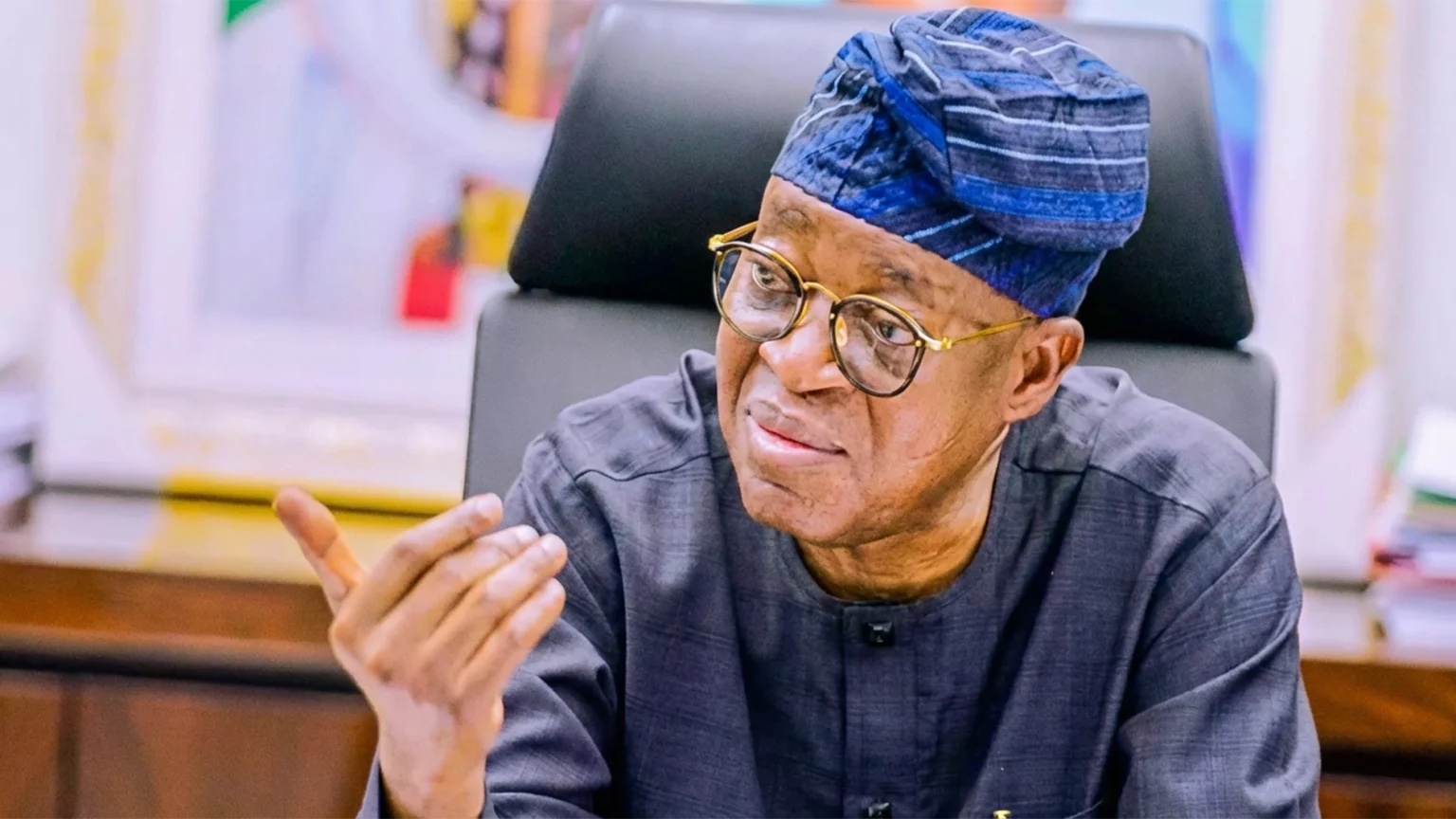
MWUN to Oyetola: Restore Tally Clerks, Gangway Guards or Risk Port Security Collapse
By Okeoghene Onoriobe | Waterways News Correspondent, Lagos
The Maritime Workers’ Union of Nigeria has urged the Federal Government to urgently reinstate tally clerks and gangway security personnel across the country’s seaports and jetties, warning that their continued absence is fuelling cargo under-declaration, contraband smuggling, and a creeping breakdown of port labour discipline.
In a petition addressed to the Minister of Marine and Blue Economy, Adegboyega Oyetola, MWUN Secretary-General Oniha Erazua described the situation as a critical challenge confronting Nigeria’s maritime sector — one with serious consequences for both national revenue and port security.
Operators Flouting Labour Laws
The union’s petition flagged the absence of tally clerks and gangway security men as the entry point for a wider compliance crisis. According to MWUN, the vacuum has allowed some terminal operators to sidestep the Stevedoring Regulations 2014 by deploying unregistered dockworkers — a practice the union says undermines the legal frameworks governing maritime labour.
The union warned that without tally clerks physically counting and verifying cargo manifests at berth, under-declaration of goods has become routine, resulting in substantial revenue losses to the Federal Government
Arms, Contraband Moving Freely
On the security front, MWUN’s alarm is equally stark. The petition states that the absence of gangway security personnel — whose role is to control vessel access and monitor crew and visitor movement — has enabled the unchecked flow of arms and contraband through port gates and vessel gangways.
The union disclosed that no fewer than 243 operational jetties across Nigeria are currently running without adequate supervision from either the Nigerian Ports Authority or the Nigerian Maritime Administration and Safety Agency — a figure that points to systemic regulatory failure well beyond the major commercial ports at Apapa and Tin Can.
A Central Labour Pool Under NIMASA
MWUN’s recommendations are specific. The union is calling on Minister Oyetola to initiate executive action for the immediate restoration of the affected workers across all ports and to establish a central labour pool — to be managed by NIMASA — for the structured engagement and deployment of tally clerks and gangway guards.
It also wants both NIMASA and NPA directed to recruit and deploy dedicated monitoring officers to enforce compliance across ports, dry ports, bonded terminals, and jetties nationwide.
Third Appeal in Four Years
The petition is not MWUN’s first. The union noted that similar representations were made in 2021 and 2023 through stakeholder memoranda and formal correspondences, but said the issue remains unresolved. The union expressed cautious optimism that the current minister would act where his predecessors have not.
Nigeria Watch (Maritime & Blue Economy Implications)
For port operators, terminal concessionaires, and freight forwarders, the MWUN petition puts a number — 243 unsupervised jetties — on what the industry has long known anecdotally: regulatory presence at Nigeria’s secondary and riverine ports is thin to nonexistent.
The tally clerk question is particularly consequential for cargo interests. Tally clerks serve as an independent check on vessel manifests, providing a human audit layer that customs declarations and electronic cargo tracking systems alone cannot replicate. Their absence creates conditions in which short-landing — the gap between what is manifested and what is physically delivered — goes undetected, with losses borne by importers, consignees, and ultimately the government’s import duty receipts.
For NIMASA, the call to manage a central labour pool represents both an opportunity and a test. The agency has been under sustained pressure to demonstrate operational relevance beyond regulatory enforcement. Taking on the coordination of a pooled workforce of tally clerks and gangway guards would expand its port-level footprint — but would require funding, administrative capacity, and political will that have historically been in short supply.
The gangway security dimension also intersects directly with NPA’s port access control mandate and with NIMASA’s obligations under the International Ship and Port Facility Security Code. If arms and contraband are moving through gangways at Nigerian ports with the frequency MWUN implies, the liability exposure — reputational and regulatory — extends beyond labour relations into Nigeria’s international maritime compliance standing.
Waterways News | Maritime. Shipping. Blue Economy.
Maritime Labour and Trade Union
OPINION: When Seafarers Die, Condolences Are Not Enough — The World Must Do Better
OPINION: When Seafarers Die, Condolences Are Not Enough — The World Must Do Better
By Sunil Kapoor | Adapted for Waterways News
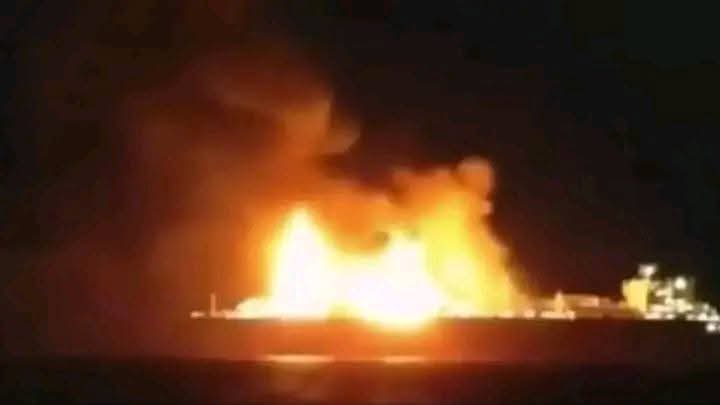
Merchant ships are burning at sea. Not warships. Not naval vessels. Ordinary commercial ships — carrying cargo that keeps the global economy turning — crewed by civilian seafarers simply doing their jobs.
Following the latest wave of attacks on merchant vessels in the Strait of Hormuz, IMO Secretary-General Arsenio Dominguez issued a statement expressing deep concern over seafarer casualties, reaffirming that attacks on innocent civilian shipping are unjustifiable under international maritime law. The words were appropriate. But they were also familiar.
Every time a merchant ship is attacked — every time a seafarer loses his life in someone else’s geopolitical conflict — the same kind of statements appear. What is never quite clear is what those statements mean for the man standing watch tonight on the bridge.
When the System Failed: Lessons from Covid
The pandemic offered a sobering preview of how badly the protective system around seafarers can break down under pressure.
Governments insisted that no seafarer could remain aboard beyond twelve months. Port state authorities enforced this strictly. Yet those same governments often refused to issue visas for incoming crew, or declined to allow serving crew to disembark. The result was an impossible catch-22: the rules demanded crew changes that the system made impossible to execute.
Ships began carrying relief crew who had joined but could not replace their predecessors — seafarers already beyond their contract limits continued sailing as unofficial “passengers.” On paper, compliance. In reality, a fiction everyone accepted.
One incident from that period stands as a symbol of the system’s failure. A vessel arrived in port carrying the body of a seafarer who had died onboard. His remains, kept in the ship’s freezer, were refused permission to be landed at port after port. The crew sailed on — carrying their dead colleague — while his family thousands of miles away waited for a funeral that could not happen.
War, Missiles, and the Weight on Nigerian Seafarers
When Russia invaded Ukraine, merchant vessels were suddenly trapped in Ukrainian ports as missiles fell around them. The crew aboard those ships were commercial seafarers — not soldiers. Yet the burden of getting them home fell almost entirely on ship managers and the seafarers themselves.
Today, the Strait of Hormuz has become a new crisis point. In March 2024, the bulk carrier True Confidence was struck by a missile off Yemen. Three seafarers were killed. They were not combatants. They were doing their jobs. The damaged vessel drifted for months before any port agreed to receive it.
Now more than 1,000 ships are reported stuck or transiting the strait under threat. Some political voices have publicly urged shipowners to show courage and sail through. But bravado spoken in political offices lands on the shoulders of masters and crew — people for whom the danger is not rhetorical.
When an incident happens and a seafarer dies, a basic question deserves an answer: who gave the order to sail? On what assessment was that instruction based? A vessel may be insured. Cargo may be insured. A human life cannot be replaced.
Nigeria Watch: What This Means for Our Maritime Sector
Nigeria has significant stakes in this conversation. A substantial number of Nigerian seafarers serve aboard international merchant vessels, including those transiting high-risk corridors like the Red Sea, the Gulf of Aden, and now the Strait of Hormuz. When geopolitical conflict puts commercial shipping in the crosshairs, Nigerian families are among those waiting at home.
Closer to our shores, the Gulf of Guinea has its own long record of attacks on merchant vessels — piracy, kidnapping for ransom, armed robbery at sea — where seafarers have repeatedly borne the human cost of systemic failures. NIMASA, the Nigerian Navy, and the Federal Ministry of Marine and Blue Economy have invested in frameworks like the Deep Blue Project to address maritime insecurity in our region. But the broader question raised by Kapoor applies here too: when seafarers are endangered, does the response match the rhetoric?
The industry has repeatedly demonstrated that it can organise practical solutions in emergencies — repatriating crew, rerouting vessels, supporting families — when official structures move too slowly. That should not be the norm.
Ninety percent of world trade moves by sea. Nigeria’s import-dependent economy, its crude oil exports, and its ambitions as a blue economy hub all rest on the safety and welfare of seafarers. Behind every crew list is a family waiting for a safe return.
Statements of concern will keep being issued after every tragedy. But for the families of seafarers who do not come home, the message from this industry must be unambiguous: statements are not enough.
Sunil Kapoor is a shipowner and maritime commentator. Thioriginal piece has been adapted for Waterways News readers by Raymond Gold, Co-publisher and Research Reporter for Waterways News
-
 Oil and Gas4 weeks ago
Tantita’s Pipeline Deal: $144m Contract, Rising Output, and the Questions that Deserve Answers
-
 Blue Economy2 months ago
Nigeria’s Coast Guard Bill: A Solution in Search of a Problem?
-
 Business1 month ago
CASABLANCA PORT SHUT DOWN AFTER VESSEL LOSES 85 CONTAINERS — SHIP SERVES NIGERIAN ROUTES