Business
LEKKI COASTAL ROAD: UMAHI PLEDGES TO CLEAR SWAMP CORRIDORS BLOCKING PORT EVACUATION ROUTES


LEKKI COASTAL ROAD: UMAHI PLEDGES TO CLEAR SWAMP CORRIDORS BLOCKING PORT EVACUATION ROUTES
Minister inspects 7th Axial Road project, sets April deadline for contractor
By Oghenewoke Onoriode | Waterways News Correspondent, Lagos
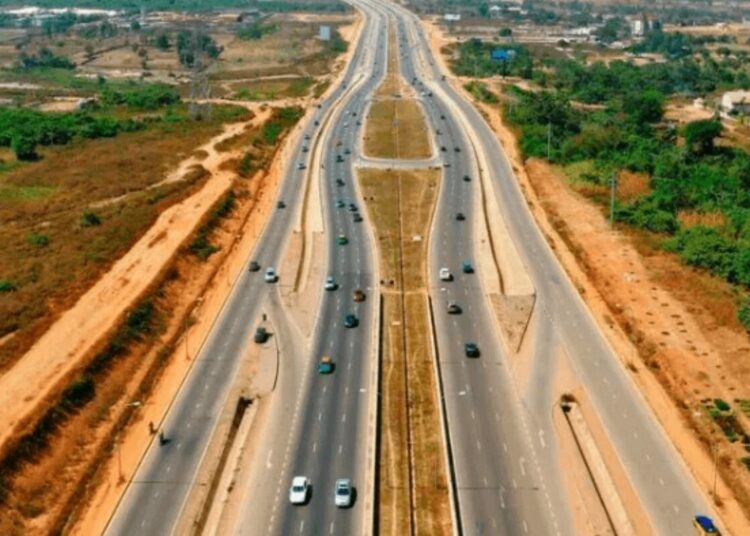
Minister of Works Engr. Dave Umahi has pledged to unlock waterlogged and swampy corridors along the Dangote Refinery route that are hampering cargo evacuation from the Lekki Deep Sea Port, following a hands-on inspection of the ongoing Lekki 7th Axial Road project in Lagos.

The Minister’s visit to the Lekki Corridor underscored the federal government’s recognition of the road as a critical last-mile link for maritime and port logistics — one that, when completed, will ease pressure on existing access roads and strengthen cargo movement from one of Nigeria’s most strategically significant port facilities.
The 7th Axial Road runs behind the Dangote Refinery and connects the Lekki industrial axis to the Sagamu corridor, making it a linchpin for port operations, industrial logistics and national freight movement. It forms part of a wider coastal infrastructure cluster that includes the Coastal Road, Dangote Road and the Lekki Deep Sea Port itself.
Expressing confidence in the project timeline, Umahi directed that roadbed filling works for Project Lot One must be completed by end of April, instructing the project team to ramp up the deployment of manpower, equipment and materials to meet the deadline.
He noted that the 7th Axial Road is designed to complement the broader Lekki corridor infrastructure, with the combined effect of reducing port congestion, improving cargo throughput and positioning the area as a major transportation and industrial hub for Lagos and the wider national economy.
The Minister also stressed the importance of environmental compliance, directing relevant agencies to ensure that construction proceeds without compromising ecological protection in the coastal zone — a concern of particular relevance given the road’s proximity to sensitive swamp and wetland terrain.
The project is being handled by China Harbour Engineering Company Limited (CHEC), the same firm that delivered the Lekki Deep Sea Port. A company representative assured the Minister that resources on site have been scaled up,
Waterways News | www.waterwaysnews.ng
with attention to safety, quality control and environmental standards.
Umahi cited CHEC’s track record on both the Lekki port and the Makurdi–Enugu road reconstruction as grounds for confidence in the firm’s ability to deliver.

Blue Economy
Coastal Communities Key to Blue Economy Success, Says GMA Founder Onakughotor at Ondo Summit
Coastal Communities Key to Blue Economy Success, Says GMA Founder Onakughotor at Ondo Summit
By Okeoghene Onoriobe | Waterways News Correspondent
The President and Founder of the Global Maritime Academy (GMA), Mr. Ejiro Dennis Onakughotor, has declared that Nigeria’s Blue Economy ambitions can only succeed if coastal communities are placed at the heart of its implementation — and not treated as afterthoughts.
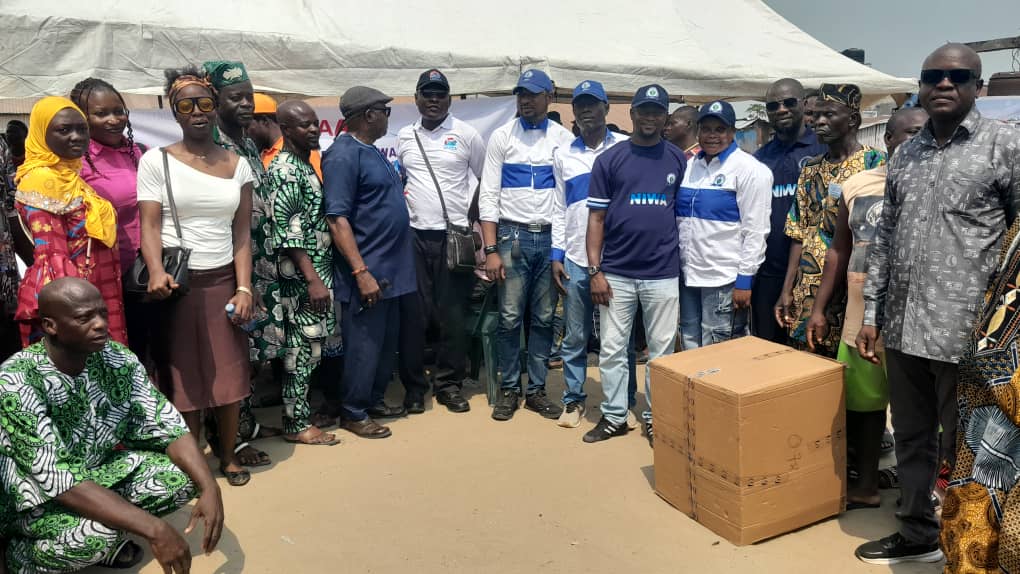
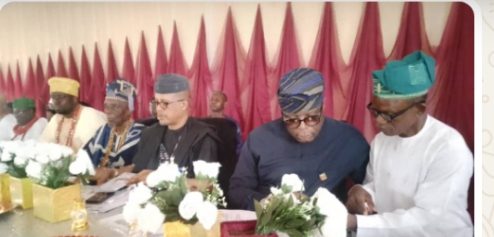
Onakughotor made this assertion at the maiden Maritime Summit on Marine and Blue Economy held in Igboegunrin Kingdom, Ondo State, where traditional rulers, maritime experts, and key government stakeholders gathered to chart a new course for Nigeria’s ocean-based economic future.
Themed “The Marine and Blue Economy Policy and Its Implementation: The Game Changer to the Nigerian Economy,” the summit drew overwhelming support from participants who expressed readiness to help Nigeria harness its vast marine and coastal resources for sustainable national growth.
Grassroots-Driven Development
Describing coastal communities as “the heartbeat of Nigeria’s emerging ocean economy,” Onakughotor argued that investment in the Blue Economy must flow from the ground up. He stressed that the full implementation of Nigeria’s marine and ocean-based development policies must be community-driven to achieve genuine national economic transformation.”This gathering is more than a conference — it is a turning point for coastal development, economic diversification, and inclusive growth,” he said.
“This gathering is more than a conference — it is a turning point for coastal development, economic diversification, and inclusive growth”
He noted that the establishment of the Federal Ministry of Marine and Blue Economy marked a deliberate pivot away from Nigeria’s longstanding oil dependence, aligning the country with a global ocean economy valued at over $1.5 trillion.
Jobs, Infrastructure and Opportunity
Onakughotor cited Federal Government projections of creating three million jobs within four years across fisheries, aquaculture, shipping services, coastal tourism, and maritime security — sectors in which riverine and coastal communities like Igboegunrin stand to benefit most.
He also highlighted planned government investments in smart ports and the dredging of more than 2,000 kilometres of inland waterways, positioning host communities along Nigeria’s water corridors as emerging hubs for maritime transport and logistics.
Onakughotor urged youths in Igboegunrin Kingdom and other coastal areas to proactively acquire relevant skills and position themselves to take advantage of the opportunities ahead.
GMA’s Community-Driven Agenda
As a practical step toward capacity building, the Global Maritime Academy president unveiled a community-driven initiative that includes:
Vocational training for local cadets and youths in marine engineering, shipping management, logistics, and maritime security
Upskilling for artisanal fishers in modern aquaculture practices, sustainable fishing methods, and improved post-harvest handling
Coastal safety and surveillance training to strengthen waterway security for trade, tourism, and community wellbeing
Scholarships for deserving students from Igboegunrin Kingdom to access maritime education and vocational training
Onakughotor also made a passionate appeal to indigenes of Igboegunrin Kingdom — at home and in the diaspora — to support the establishment of a GMA Vocational Centre in the community, describing it as a future hub for skills acquisition, youth empowerment, and long-term economic transformation.
Sustainable Roadmap
The summit outlined a broader development roadmap anchored on integrated coastal management, digital inclusion through port automation and marine technologies, and community-owned eco-tourism designed to preserve local culture while generating income for households.
Closing his remarks, Onakughotor reminded participants that the Blue Economy is ultimately a people-centred agenda — one that directly affects fishermen, students, and local entrepreneurs. He called on all stakeholders to move beyond dialogue and take decisive action in unlocking shared prosperity along Nigeria’s coastlines.
Dignitaries
Prominent figures at the event included the Ondo State Governor, represented by his Senior Special Assistant on Marine and Blue Economy, Hon. Olugbemiro Aladenusi; the Chief of Staff to the Governor, Hon. Oluwasegun Omojuwa; and the royal host, Phillip Olatunji Kalejaye, the traditional ruler of Igboegunrin Kingdom.
Waterways News | Covering Nigeria’s Maritime and Inland Waterways Sector
Blue Economy
Warri Port Revival: Technical Challenges and Infrastructure Requirements for Alternative Maritime Gateway
Warri Port Revival: Technical Challenges and Infrastructure Requirements for Alternative Maritime Gateway
By Oghenewoke Onoriode | WaterwaysNews.ng | March 6, 2026
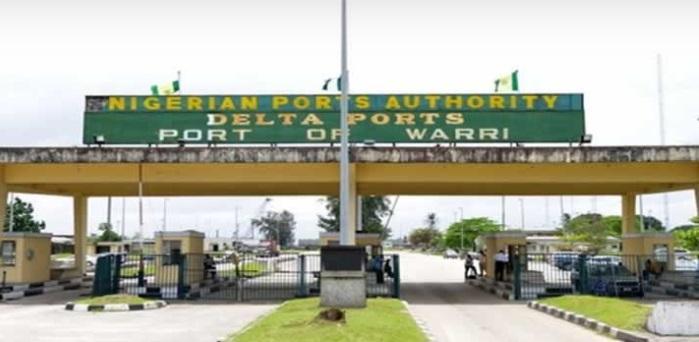
As congestion at Lagos ports continues to impose significant costs on Nigeria’s trade infrastructure, a comprehensive analysis of Warri Port’s potential has revealed that its rehabilitation could provide an alternative maritime gateway for the country’s South-South and North-Central regions.
The underutilized facility in Delta State, which currently handles a fraction of its designed capacity, faces a combination of technical and operational challenges that experts say are solvable with coordinated interventions
Technical Challenges Documented
According to maritime infrastructure assessments, Warri Port operates under several constraints that limit its competitiveness. The port’s draft restrictions, currently at 6-7 meters during low tide, prevent larger commercial vessels from accessing the facility. Modern container ships typically require 12-14 meters of draft for safe navigation.
Siltation in the Escravos channel and approach routes has progressively reduced navigable depths, while deteriorated breakwater infrastructure has accelerated sediment accumulation in the port basin. Industry observers note that these conditions create operational difficulties for vessels attempting to access the facility.
The port’s cargo handling equipment, installed decades ago, operates below the efficiency standards that have become industry benchmarks at modernized facilities. Terminal operators report that aging cranes and handling systems affect vessel turnaround times, a critical factor in shipping line route planning decisions.
Infrastructure Investment Requirements
Engineering estimates for addressing these technical constraints suggest capital dredging of the Escravos Bar, approach channels, and port basin would require substantial investment, with ongoing maintenance dredging necessary to sustain navigable depths.
Breakwater rehabilitation, which engineers say would protect dredging investments and reduce long-term siltation rates, would require extended construction periods to restore structural integrity.
Maritime infrastructure specialists indicate that achieving a minimum draft of 9-10 meters would open the port to Panamax-class vessels and modern feeder ships operating West African routes.
Policy Options Under Discussion
Industry stakeholders have identified several policy mechanisms that could enhance Warri Port’s competitiveness during a rehabilitation phase.
Graduated tariff incentives have been discussed as a potential tool to attract initial traffic while infrastructure improvements proceed. Similar approaches have been implemented at other Nigerian ports during development phases, though specific waiver structures would require Nigerian Ports Authority board approval and federal government policy alignment.
Terminal concession models, comparable to those implemented at Lagos facilities, represent another option for equipment modernization. Private sector participation in port operations has historically transferred capital investment requirements from government budgets while introducing operational efficiency improvements.
Cargo Generation Potential
Geographic analysis indicates Warri Port’s proximity to several cargo-generating regions currently reliant on Lagos facilities. Manufacturing centers in Edo State, agricultural production zones in Delta and Edo States, and industrial activity in the Mid-Western region represent potential traffic sources.
The port’s location also positions it for petroleum products distribution, potentially reducing the concentration of such cargo at Lagos terminals. Regional shipping services connecting West African ports present additional traffic opportunities.
Trade data shows that businesses in states including Delta, Edo, Kogi, and Benue currently route imports and exports through Lagos, incurring additional inland transportation costs that alternative port access could reduce.
Hinterland Connectivity Requirements
Transportation infrastructure connecting Warri Port to its potential hinterland represents a critical component of competitiveness assessments. The Warri-Benin-Ore Road corridor provides an alternative to Lagos-bound routes, though current road conditions affect transit efficiency.
Rail connectivity through the Itakpe-Warri railway, with potential extensions to Benin City and connections to planned coastal rail infrastructure, has been identified in transportation planning documents as infrastructure that would enhance port accessibility.
Inland Container Depot development in cities including Benin and Asaba would provide cargo consolidation points that reduce port dwell times and improve logistics efficiency.
Institutional Coordination Challenges
Implementation of comprehensive port rehabilitation requires coordination among multiple government levels and agencies. The Nigerian Ports Authority, Federal Ministry of Transportation, Delta State Government, and private sector terminal operators each control different aspects of port development and operations.
Historical port development projects have faced challenges related to budget allocation consistency, policy continuity across political administrations, and alignment between federal infrastructure priorities and state-level complementary investments.
Stakeholder engagement mechanisms that include shipping lines, freight forwarders, manufacturing associations, and chambers of commerce in cargo-generating regions have been identified as components of successful port development initiatives in other locations.
Regional Context
Nigeria’s port infrastructure currently concentrates the majority of maritime traffic at Lagos facilities, despite the existence of functional ports in Calabar, Port Harcourt, and Onne. This concentration has generated recurring congestion issues that affect trade facilitation efficiency.
The Lekki Deep Sea Port, which became operational in recent years, provides additional Lagos-area capacity but does not directly serve cargo generators in Nigeria’s Mid-Western and North-Central regions.
Regional ports in West Africa have competed for transshipment traffic and hinterland cargo by investing in infrastructure improvements and implementing competitive tariff structures. Ghana’s Tema Port and Togo’s Port of Lomé have attracted cargo that might otherwise route through Nigerian facilities.
Free Trade Zone Integration
The Warri Export Processing Zone, located adjacent to port facilities, represents potential for integrated industrial and maritime logistics development. Free trade zones at other Nigerian ports have generated guaranteed port traffic through manufacturing and processing activities that require import and export services.
Operational activation of the Warri zone, with appropriate customs facilitation and business incentive structures, could provide an anchor tenant base for port services while generating industrial employment in Delta State.
Infrastructure Financing Models
Port infrastructure development in Nigeria has utilized various financing approaches, including direct government budgetary allocations, public-private partnerships, concessional development finance from multilateral institutions, and private sector terminal concessions with investment requirements.
Maritime infrastructure projects in other countries have demonstrated that coordinated public investment in channels, breakwaters, and approach infrastructure can catalyze private sector investment in terminal equipment and operations when combined with credible policy commitments.
Comparative Investment Analysis
Recent port development initiatives in Nigeria have involved substantial capital commitments for new facilities. Rehabilitation of existing infrastructure at underutilized ports represents an alternative investment approach with different risk-return profiles.
Port economics analysis typically evaluates marginal returns on infrastructure investment, comparing the costs of expanding existing facilities versus developing new capacity. Warri Port’s existing infrastructure base, despite requiring rehabilitation, reduces total capital requirements compared to greenfield port development.
Next Steps and Policy Processes
Port development initiatives typically require coordination through Nigeria’s budget planning processes, Nigerian Ports Authority strategic planning, and state government infrastructure prioritization.
Federal transportation policy documents, including the National Transport Master Plan, provide frameworks for multi-modal infrastructure investment decisions. Port-specific development plans require Nigerian Ports Authority board consideration and Federal Executive Council approval for major capital expenditures.
Environmental impact assessments, marine engineering studies, and economic feasibility analyses represent standard preliminary requirements for major port rehabilitation projects. International development finance institutions typically require such documentation for project financing consideration.
About This Analysis
This report synthesizes information from maritime infrastructure assessments, port engineering studies, and transportation planning documents. Technical specifications reflect maritime engineering industry standards and comparable port rehabilitation projects in West Africa.
Stakeholder perspectives incorporated in this analysis include views from shipping industry associations, port economics specialists, logistics service providers, and regional business organizations. Government policy options described represent approaches implemented at other ports and do not constitute confirmation of specific planned initiatives.
WaterwaysNews.ng provides coverage of maritime infrastructure, shipping, and water transport operations across Nigeria’s waterways. For questions regarding this report, contact our editorial desk.
EDITOR’S NOTE: This analysis is based on publicly available information, industry assessments, and expert consultations. Specific policy decisions regarding Warri Port development remain with relevant government authorities and the Nigerian Ports Authority. Readers are encouraged to consult official sources for current project status and policy positions.
CONTACT: WaterwaysNews.ng welcomes responses from the Nigerian Ports Authority, Federal Ministry of Marine and Blue Economy, Delta State Government, and other stakeholders regarding port infrastructure development initiatives. Comments can be submitted to editorial@waterwaysnews.ng
Blue Economy
NSW LAUNCH ON MARCH 27: GBAJABIAMILA SAYS SINGLE WINDOW WILL REVOLUTIONIZE NIGERIA’S PORTS AND TRADE OPERATIONS AS TOP OFFICIALS PLEDGE FULL SUPPORT
NSW LAUNCH ON MARCH 27: GBAJABIAMILA SAYS SINGLE WINDOW WILL REVOLUTIONIZE NIGERIA’S PORTS AND TRADE OPERATIONS AS TOP OFFICIALS PLEDGE FULL SUPPORT
By Okeoghene Onoriobe | Waterways News Correspondent | Lagos
Nigeria is set to go live with its long-awaited National Single Window (NSW) platform on March 27, in a move that promises to fundamentally reshape how cargo is processed at the country’s seaports, airports, and border points.
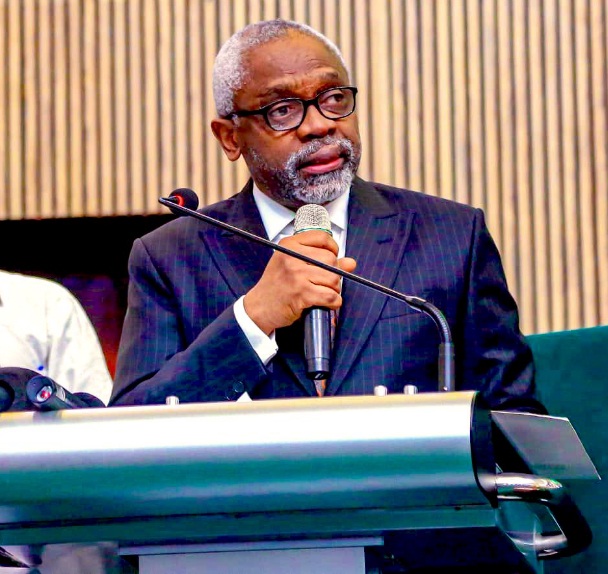
Chief of Staff to the President, Femi Gbajabiamila, who made the announcement at a high-level stakeholders’ meeting at the State House, Abuja, described the initiative as a “monumental” fiscal reform that will streamline trade procedures, close efficiency gaps, and sharpen Nigeria’s competitive edge in maritime commerce.
The meeting, attended by ministers, agency heads, and key government officials, was convened to review progress made so far and secure firm commitments from all agencies ahead of the go-live date.
“We are about to launch yet another reform, fiscal reform by this administration, which in its nature will be very transformational,” Gbajabiamila said, adding that the NSW replaces the current fragmented system of multiple single windows with one unified national platform.
“We are about to launch yet another reform, fiscal reform by this administration, which in its nature will be very transformational” Gbajabiamila
For Nigeria’s ports and maritime sector, the implications are significant. The Nigerian Ports Authority (NPA) and the Nigerian Maritime Administration and Safety Agency (NIMASA) — both central to cargo clearance operations — were among the agencies represented at the meeting and are key participants in the first phase of the rollout.
NSW Coordinator, Mr Tola Fakolade, told the gathering that the platform’s first phase will enable online processing of import permits, electronic submission of cargo manifests, and the deployment of a centralised risk management system. Critically for port operators and shipping agents, cargo manifests will be submitted electronically and automatically transmitted to all relevant agencies — eliminating the current burden of manual, duplicated documentation.
“Documents will be submitted once and shared with all relevant agencies without duplication,” Fakolade said, noting that nationwide user training is underway and pilot testing is imminent to ensure a seamless rollout.
He urged agencies to intensify their support in the remaining 23 days before launch, describing this final stretch as the most critical phase of implementation.
Coordinating Minister of the Economy and Finance Minister, Wale Edun, reaffirmed government backing, calling the NSW “a growth-enhancing and growth-enabling project.” Minister of Industry, Trade and Investment, Jumoke Oduwole, described it as a long-overdue pillar of the Renewed Hope Agenda and pledged to spend the next three weeks sensitizing traders, importers, and exporters on the new system.
Central Bank Governor Olayemi Cardoso pledged the bank’s full support, stressing the urgency of closing Nigeria’s trade facilitation gap with peer economies. Nigeria Revenue Service Chairman Zacch Adedeji called for stronger political will and coordination, while Comptroller-General of Customs, Bashir Adeniyi, described the NSW as a historic milestone and committed to direct stakeholder engagement to guarantee its success.
At the close of the meeting, Minister Oduwole was formally mandated to lead the 23-day implementation phase through to the March 27 launch.
Beyond NPA and NIMASA, other agencies represented at the meeting included the Standards Organisation of Nigeria (SON), the National Agency for Food and Drug Administration and Control (NAFDAC), the Federal Airports Authority of Nigeria (FAAN), the Nigeria Agricultural Quarantine Service (NQS), and the National Environmental Standards and Regulations Enforcement Agency (NESREA).
The NSW, first initiated by President Bola Ahmed Tinubu nearly two years ago, is widely regarded in the maritime and trade community as one of the most consequential digital reforms to hit Nigeria’s ports in decades.