Security & Safety
Nigeria’s Waterway Crisis: Path to Safety and Sustainable Solutions

PART 2:
Despite these encouraging developments, much remains to be done. While government agencies celebrate improvements, boats continue to sink, families continue to grieve, and riverine communities continue to live in fear. The reform momentum must accelerate, and implementation must match ambition. What follows are critical actions the government and its agencies must take with urgency.

Urgent Actions Required from Government
To transform Nigeria’s waterways from death traps into safe, reliable transport arteries, the following measures must be implemented speedily and comprehensively:
1. Phase Out Wooden Boats and Mandate Modern Vessels



2. Establish Mandatory Life Jacket Usage and Free Distribution
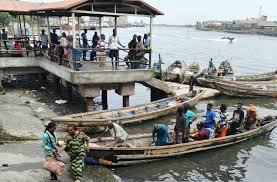
Life jackets save lives—the data is indisputable. Yet 90 percent of waterway fatalities involve victims without life jackets. Government must:
(a) declare life jacket use mandatory for all passengers and crew;
(b) distribute life jackets freely and universally across all navigable waterways, not just 12 states;
(c) enforce the requirement through significant penalties; and
(d) establish community-based life jacket maintenance and replacement programs.
This single intervention could reduce fatality rates dramatically.
3. Strengthen Operator Certification and Training
Boat operators must meet the same professional standards as drivers, pilots, and railway operators. NIWA should establish a national operator certification program requiring:
(a) minimum formal training in navigation, weather assessment, and emergency response;
(b) regular license renewal with skills testing;
(c) medical examinations to ensure fitness; and
(d) strict penalties for operating without certification.
NIWA’s recent three-day training program is a welcome start but must become an ongoing, rigorous requirement.

4. Enforce Strict Capacity Limits and Passenger Verification
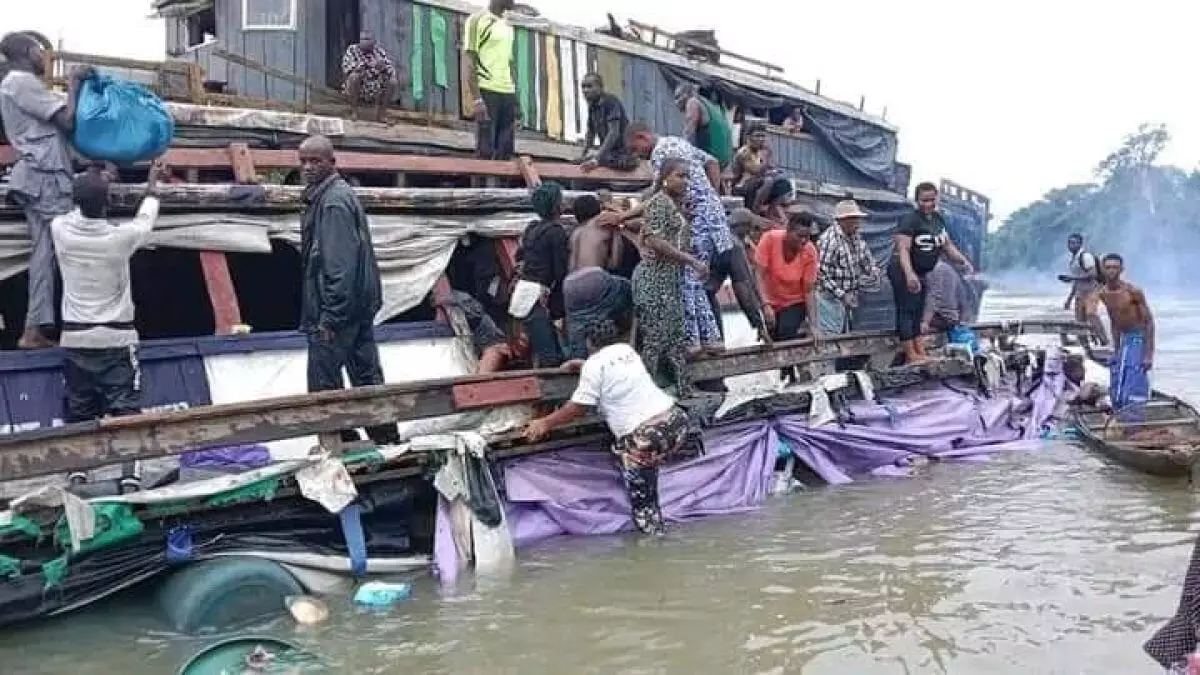
Overloading is the single most common cause of boat accidents. Government must implement real-time verification systems at jetties to ensure boats depart only with registered passengers within licensed capacity. The Water Marshal Corps should be expanded to cover all major jetties and waterways. Modern technology including mobile apps, barcode systems, and weight-checking equipment should be deployed to prevent illegal overloading. Operators who breach capacity limits should face significant fines and license suspension.
5. Prohibit Night Travel and Enforce Strictly
The 6 AM to 6 PM travel window exists for good reason—darkness reduces visibility and hampers emergency response. Yet this regulation is routinely flouted. Night travel accounts for many of Nigeria’s deadliest accidents. Government must:
(a) implement penalties severe enough to deter violations—confiscation of boats and imprisonment for operators;
(b) deploy surveillance and patrol boats during evening and early morning hours;
(c) install tracking systems on all commercial vessels; and
(d) prosecute violators consistently.
This single measure could save hundreds of lives annually.
6. Develop and Maintain Waterway Infrastructure
Many accidents result from navigational hazards—submerged tree stumps, unmarked obstacles, and uncharted shallow areas. Government should:
(a) conduct comprehensive hydrographic surveys of all navigable waterways (NIWA has begun this; it must be accelerated);
(b) install navigation aids including buoys, lights, and markers at hazardous locations;
(c) establish regular dredging and clearing programs for high-traffic routes;
(d) create and maintain up-to-date nautical charts available to all operators; and
(e) issue seasonal navigation alerts when hazards appear.
This infrastructure investment is essential for safe maritime transport.

7. Strengthen Inter-Agency Coordination and Rescue Capacity
Nigeria’s waterway safety requires coordinated effort among NIWA, marine police, the Nigerian Navy, state emergency management agencies, and local authorities. Government should:
(a) establish a National Waterway Safety Task Force with unified command structure;
(b) ensure rapid information sharing and coordinated emergency response;
(c) pre-position rescue boats and trained personnel at critical locations;
(d) conduct regular emergency drills and rescue operation exercises; and
(e) provide adequate funding for equipment maintenance and personnel training.
Current rescue response times are too slow; coordination improvements could dramatically increase survival rates.
8. Ensure Comprehensive Vessel Registration and Inspection
No vessel should operate without:
(a) mandatory registration in a national database;
(b) regular safety inspections at least annually;
(c) current safety certification; and
(d) insurance coverage.
Government should establish enforcement mechanisms to ensure only properly registered, inspected vessels operate commercially. This creates accountability and ensures vessel operators maintain their boats to safety standards.

9. Launch Sustained Waterway Safety Awareness Campaigns
Prevention begins with awareness. NIWA’s advocacy programs have reached 400 communities; this must expand dramatically. Government should:
(a) fund community-based safety education programs led by local chiefs and religious leaders;
(b) distribute safety information materials in local languages;
(c) conduct public campaigns promoting life jacket use and responsible passenger behavior; and
(d) engage traditional boat unions as safety compliance partners.
Communities and operators who understand risks are more likely to practice safe behaviors.
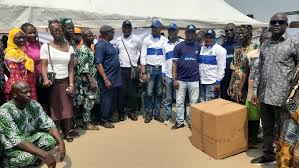
Organizations like swaaado which carries out waterways safety campaigns every week across diferent coastal comunitinities are entities that government and its agencies should support and work with very closely. Why? Because they work closely with local boat transporters groups, and coastal communities dwellers, including schools carrying out training and sensizitation programmes that border on safety. For staffing and logistics reasons, government agencies may not be able to cover these areas as effectively as onn organization like swaaado does. SWAAADO Launches 100-Community Waterway Safety Campaign to Waterfront Communities, Donates Life Jackets – Sustainable Waterways
10. Improve Road Infrastructure to Reduce Water Transport Dependency
Fundamentally, the high volume of water transport in Nigeria reflects failure to develop adequate land infrastructure. While waterway safety improvements must proceed urgently, government should also accelerate road development in riverine areas. Better roads reduce the proportion of population forced to depend on dangerous waterway transport. The government’s road infrastructure programs should prioritize connections to riverside communities, reducing transport vulnerability.
Accountability and Urgency Are Essential
The measures outlined above are not new—they reflect international best practices proven successful in Bangladesh, the Philippines, Indonesia, and other countries with waterway transport. Nigeria has the expertise, resources, and regulatory framework to implement these solutions. What is required is political will and sustained commitment.
The federal government should establish clear timelines and performance metrics for each recommendation. NIWA and state waterways authorities should report quarterly on progress toward implementation. International maritime organizations should be invited to conduct independent audits. The President’s office should establish oversight to ensure bureaucratic inertia does not derail reform. Most critically, enforcement must become consistent and consequences for violations must become real.
Conclusion: A Choice Between Tragedy and Safety
The deaths on Nigeria’s waterways are not acts of God or inevitable tragedies of nature. They are preventable human-made disasters resulting from negligence, greed, and weak governance. Every boat that sinks, every family destroyed, every child orphaned represents a failure of the state to protect its citizens. Yet there is hope. Government reforms under way show recognition of the crisis and commitment to change. The challenge now is to accelerate implementation and ensure that rhetorical commitments translate into operational reality on Nigeria’s waterways.
Riverine communities deserve safe passage. Traders deserve reliable transport. Farmers deserve to reach markets. Children deserve to attend school without terror. These are not luxuries—they are basic rights. With urgent action on the recommendations outlined in this report, Nigeria can transform its waterways from death traps into safe, economically vital transport corridors. The time for action is now. Lives depend on it.
Nigeria’s Waterway Crisis: Tragic Toll of Negligence, the Path Forward – Water Ways News
About the Author: Bode Animashaun is the Maritime Correspondent for Waterways News Nigeria (waterwaysnews.ng), a specialist publication covering maritime safety, inland waterway transport, and blue economy developments in Nigeria. He has covered water transport issues for over a decade and serves as a commentator on maritime policy for leading Nigerian media outlets.