
Sports & Entertainment
Nottingham Forest striker Taiwo Awoniyi recovers from induced coma



Taiwo Awoniyi, Super Eagles of Nigeria forward, has recovered from a coma induced after undergoing surgery for a serious abdominal injury.
According to the BBC, the striker woke up from the intubation in the early evening on Wednesday. He is awake, under monitoring, and also surrounded by family as he begins his recovery from surgeries.
Awoniyi suffered an abdominal injury when he collided with the post during Nottingham Forest’s 2-2 draw at home to Leicester City on Sunday.
The 27-year-old received lengthy medical attention on the pitch before undergoing surgery for a ruptured intestine on Monday night.

He was thereafter placed in an induced coma as the second stage of the surgery was performed early on Wednesday.
Awoniyi has featured in 32 matches in all competitions for Nottingham Forest this season, scoring twice. The former Liverpool youngster has appeared in 26 English Premier League matches, with just one goal in the injury-ravaged season.


Lagos to Close Jetties, Terminals on Five Cowries Creek for E1 Championship
By Waterwaysnews.ng
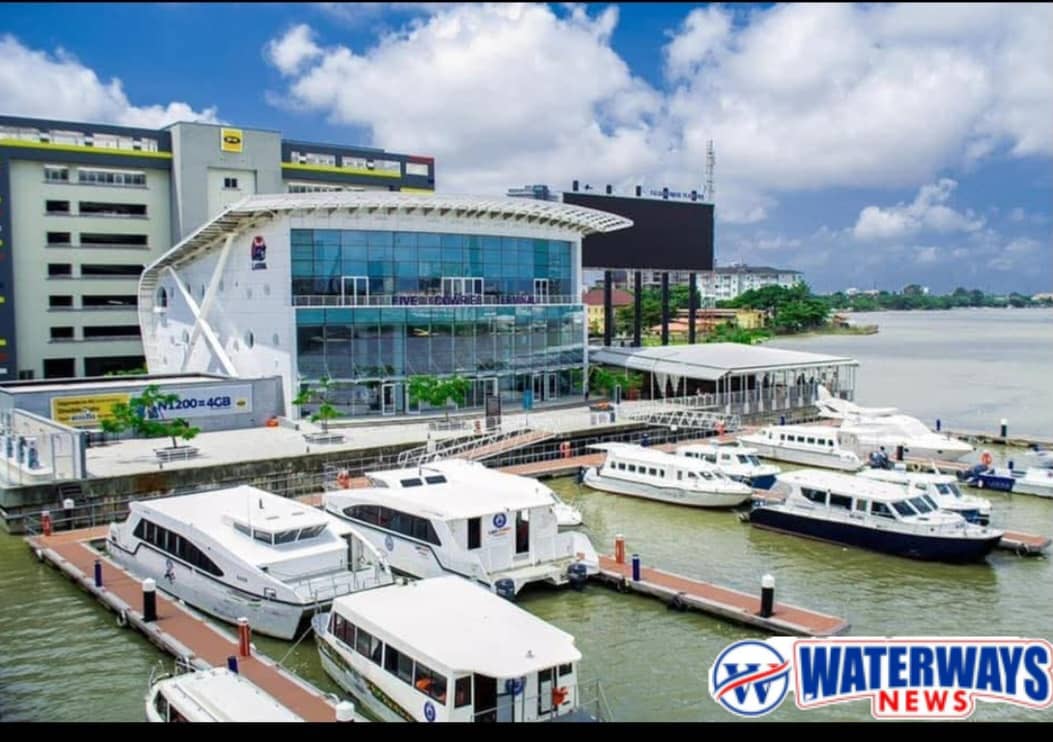
The Lagos State Waterways Authority (LASWA) has announced a four-day partial closure of all private and commercial jetties and terminals along the Five Cowries Creek to accommodate the E1 Championship powerboat racing event.The closure, scheduled from Thursday, October 2 to Sunday, October 5, 2025, will facilitate the hosting of the world’s first all-electric powerboat racing tournament, with Lagos serving as one of the championship’s host cities.
In a statement released Tuesday by its Public Relations Unit, LASWA outlined a phased closure schedule to minimize disruption while ensuring safety during the event.
On Thursday, October 2, a partial closure will affect the stretch from Falomo Bridge to Oriental Hotel between 10:00 AM and 6:00 PM. The following day, Friday, October 3, will see a total closure from Oriental Hotel to Mekwen Bridge during the same hours.The most extensive restrictions will occur over the weekend, with a total closure from Falomo Bridge to Oriental Hotel enforced between 8:00 AM and 6:00 PM on both Saturday, October 4, and Sunday, October 5.
LASWA emphasized that the waterways restriction is a critical safety and security measure designed to ensure seamless event operations, protect lives, and showcase Lagos as a world-class venue for international sporting events.
Normal ferry operations on the affected routes are expected to resume on Monday, October 6, 2025. The authority has urged waterway users to plan ahead and utilize alternative ferry routes during the closure period.
“The Lagos State Government appreciates your patience and understanding as we work together to deliver this historic world championship,” the statement concluded.
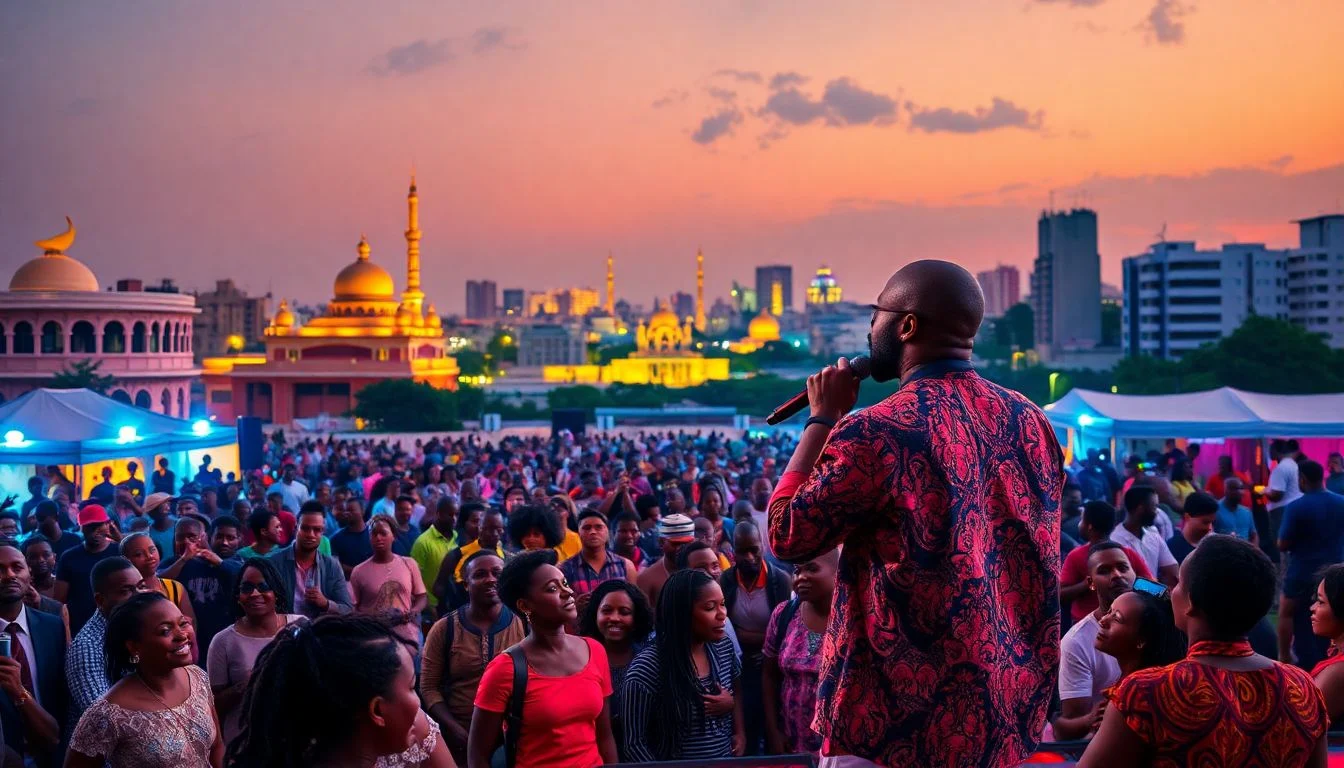
You might have heard Afrobeat blasting from speakers all over the world lately. It’s no longer just Nigeria’s sound; it’s a worldwide movement. The genre started deep in African roots but now hits charts everywhere. Fans love its beat, lyrics, and vibe. Today, Afrobeat is a smash hit thanks to global artists, social media, and cultural influence. Let’s explore what makes this style a true global phenomenon.
The Origins and Evolution of Nigerian Afrobeat
Historical roots of Afrobeat
Fela Kuti created Afrobeat back in the late 1960s. He blended traditional Nigerian rhythms with jazz, funk, and soul. His music was also a voice against injustice and corruption. Fela used music as a tool to speak out and inspire change. That’s how Afrobeat was born: as a powerful mix of culture and protest.
Modern evolution and innovation
Today’s artists like Burna Boy, Wizkid, and Davido are taking Afrobeat further. They mix it with pop, dancehall, and even hip-hop. Their sounds are fresh but keep the roots alive. They add catchy hooks, slick beats, and modern style, which appeals to young fans worldwide. This blend keeps Afrobeat exciting and relevant.
Key milestones
In the last decade, albums like Burna Boy’s Twice As Tall and Wizkid’s Made in Lagos shook global charts. Hit singles like “Jerusalema” and “On The Low” spread fast. These successes earned awards and recognition everywhere. Today, Afrobeat is on the map, winning Grammys and topping Spotify playlists.
The Role of Digital Platforms and Social Media in Global Expansion
Streaming services transforming music access
Platforms like Spotify and Apple Music make Afrobeat available to millions. When fans click play, they get instant access. Streaming data shows Afrobeat streams are growing fast outside Africa. It’s become one of the top genres for listeners in Europe, America, and Asia.
Social media’s impact
TikTok, Instagram, and YouTube help Afrobeat go viral overnight. Viral dance challenges and fun videos boost popularity. For example, the “Jerusalema” dance challenge was shared worldwide, turning into a global hit. Many new fans find Afrobeat through catchy clips or dance moves.
Digital marketing and influencer collaborations
Artists partner with influencers to reach more people. A dance trend or TikTok sound can explode, driving streams and shares. Aspiring Afrobeat artists should also focus on social media. Consistency, engaging posts, and collaborations help grow their audiences everywhere.
Strategic Collaborations and Global Music Industry Integration
Cross-border collaborations
Big names like Beyoncé working with Burna Boy or Drake teaming up with Wizkid push Afrobeat into the mainstream. These collabs help crossover into pop charts and new markets. Fans love hearing their favorite artists blend the African sound with global hits.
Music festivals and international events
Afrobeat stars now perform at Coachella and Glastonbury. These mega-festivals draw massive crowds and introduce Afrobeat to diverse audiences. Each performance makes more people fall in love with the genre. It’s a huge boost for the entire Nigerian music scene.
Major record labels and industry support
Big labels are investing in Afrobeat artists. They help distribute music worldwide and put on big promotions. Industry experts say this support helps Afrobeat stay hot on global radio and streaming services.
Cultural and Socioeconomic Factors Fueling Growth
Nigeria’s rich musical heritage
Nigeria has a deep-rooted culture of rhythm and dance. Traditional songs mixed with modern beats create a fresh sound. This mix makes Afrobeat stand out and keeps its authenticity alive.
Youth demographics and market dynamics
Most Nigerians are young and love making music. That energy fuels the genre’s growth. Plus, Nigeria’s middle class has more money spent on music and entertainment. The young population helps drive Afrobeat’s global popularity.
Global interest in African culture
People worldwide are eager to explore African fashion, food, and travel. Afrobeat acts as a portal to all these rich traditions. Diaspora communities also help spread Nigerian music further. They keep the Afrobeat flame alive in new countries.
Challenges and Future Outlook of Afrobeat’s Global Trajectory
Potential obstacles
Piracy and copyright issues threaten all music, including Afrobeat. Plus, Nigeria’s political situation can impact music growth. These hurdles may slow down the pace but won’t stop the genre from soaring.
Opportunities for growth
Afrobeat is expanding into Asia and Latin America. New markets are ready to embrace the sound. Technology like AI in music production can also help artists innovate faster and smarter.
Expert predictions
Music industry experts believe Afrobeat will stay relevant. Its ability to adapt and cooperate with global artists helps it grow. New sounds and collaborations will keep Afrobeat exciting and fresh.
Conclusion
Nigeria’s Afrobeat became a worldwide hit due to its roots and fresh innovation. Digital platforms, big collaborations, and cultural pride all play a role. Artists can succeed by embracing social media and staying true to their sound. Afrobeat is more than music; it’s a cultural force shaping global trends. Whether you’re a fan or an artist, now’s the time to ride this wave—Afrobeat isn’t stopping anytime soon.
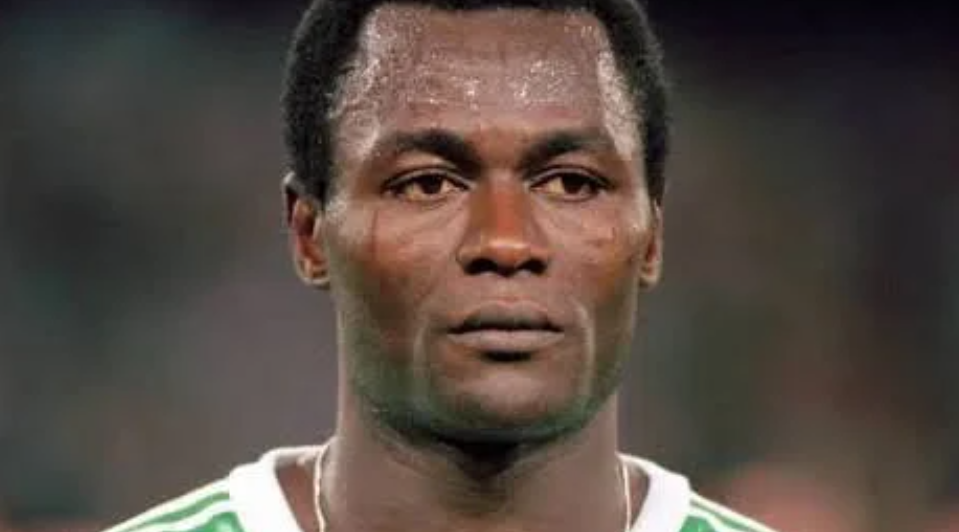
Emmanuel Jérôme Kundé was a Cameroonian professional footballer who played as a defender. He spent the majority of his professional career playing for Canon Yaoundé. He was also a member of the Cameroon national team at the World Cups of 1982 and 1990 and won the 1984 and 1988 African Nations Cups. The Cameroonian football legend, has passed away at the age of 68 years.
The demise of Kunde was announced by the Cameroonian football federation (Fecafoot) on Friday.
Kunde played as a midfielder and was a lynchpin in the Cameroonian team at the 1990 World Cup in Italy.
The Cameroonian side became the first ever African nation to reach the quarter-final of the World Cup.
Kunde was also part of a Cameroon side that defeated Nigeria in the 1980s, winning two continental titles.
He was a substitute as Cameroon defeated Nigeria to lift the AFCON title in 1984, and scored the winning penalty as the Indomitable Lions repeated the trick in 1988.
According to Samuel Eto’o, President of Fecafoot, Kunde was a “figure of moderation and consideration”.
“I keep with him the memory of a discreet and affectionate man.”
“He was a fantastic footballer, the control tower in the midfield, the defensive wall the opponent crashed into but also a great playmaker when the team had possession.
“Praying for the great football family to keep him in your thoughts and my deepest condolences to his nuclear family.
“Individually, it was a fine passer and an artifact with phenomenal power and goldsmith precision.”
-

 Blue Economy2 weeks ago
Nigeria’s Coast Guard Bill: A Solution in Search of a Problem?
-
 News2 weeks ago
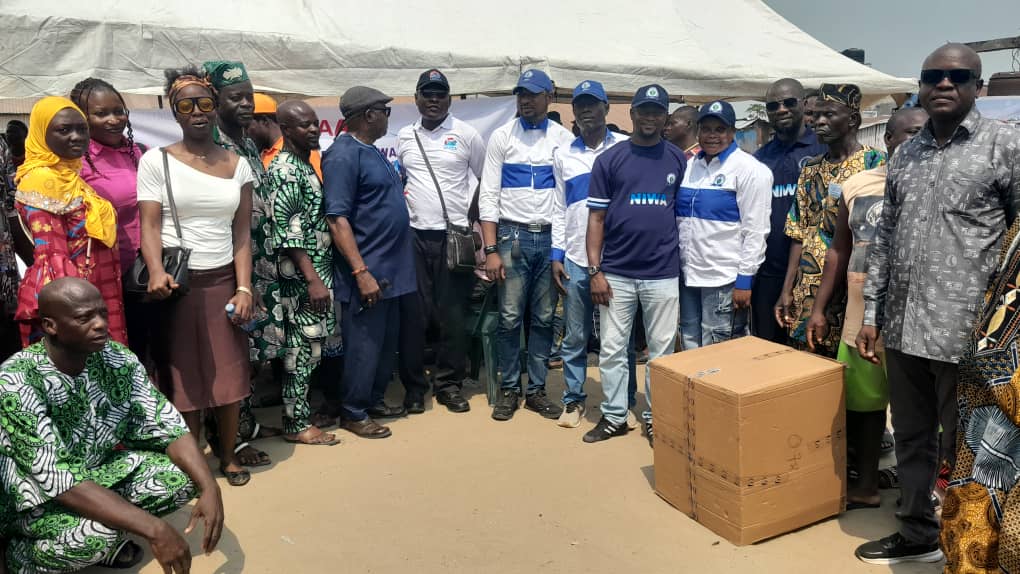
From Awareness to Action: How SWAAADO is Rewriting Nigeria’s Waterways Safety Story
-

 Blog3 weeks ago
SWAAADO Intensifies Waterways Safety Sensitization Campaign to Waterfront Communities in Lagos State.