Blue Economy
THE LOAN THAT COULD CHANGE EVERYTHING—WHY BOAT OWNERS REMAIN SKEPTICAL

Inside the CVFF Mechanics and What Separates Real Change from Empty Promises
By Bode Animashaun, Nigeria Waterways Maritime Correspondent


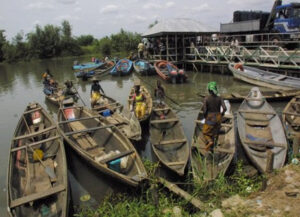

“I’ve been here before,” he said, speaking on condition of anonymity to protect his commercial relationships. “In December 2022, I was among the applicants waiting for CVFF funding. We prepared documents. We submitted applications. We waited. With around $700 million sitting in the CBN account, you would think the process would move. But it didn’t. Six months later, a bank official told me there was a ‘temporary hold’ on disbursements due to ‘clarifications needed from NIMASA.’ That was November 2023. I have not heard from them since.”
Adekunle’s story is not unique. It is the story of the Nigerian boat owner in the era of the dormant CVFF: qualified, ready, waiting, but perpetually disappointed.
This week, as the federal government’s January 2026 announcement attracts media attention, boat owners face a critical question: Is this finally the moment when capital flows, or is this the fourth false start in four years?
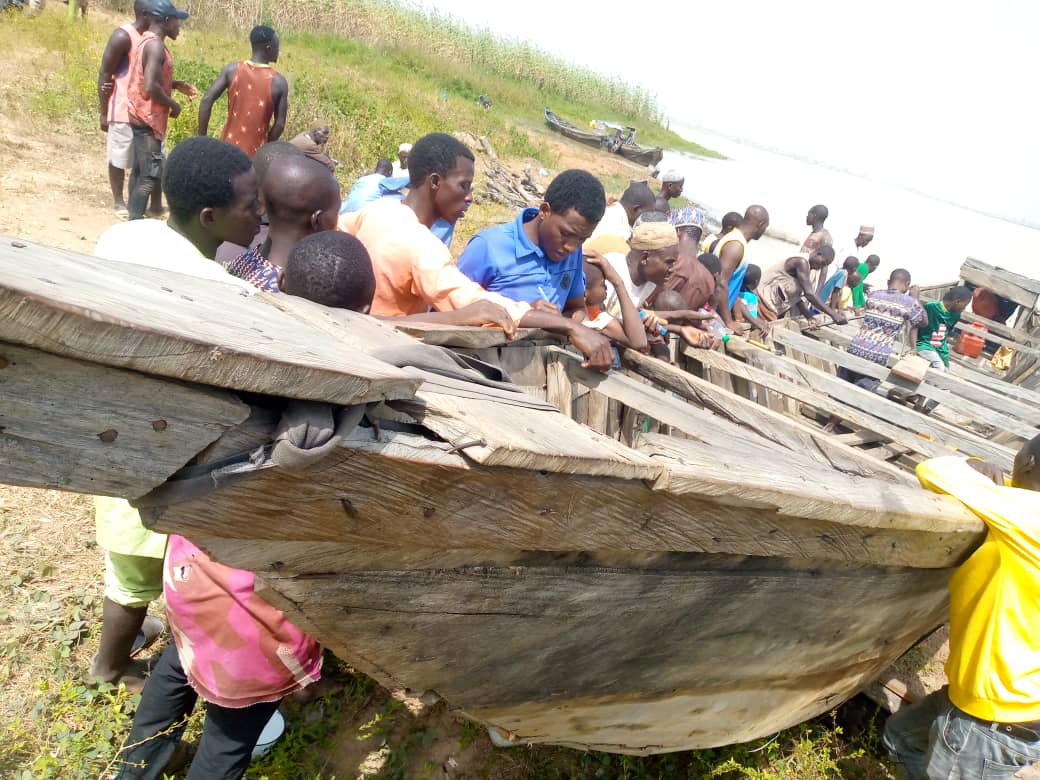

WHAT A SUCCESSFUL CVFF LOAN MEANS FOR A BOAT OWNER
To understand why boat owners are both hopeful and skeptical, it helps to walk through what a CVFF loan would actually change.
The Status Quo: Why Boat Owners Are Trapped
The scale of Nigeria’s maritime crisis cannot be overstated. The Nigerian merchant fleet has collapsed from 24 active vessels in 2005 to fewer than 4 by 2024. Meanwhile, foreign carriers now handle 95% of Nigeria’s maritime cargo. As a result, more than 4,000 Nigerian seafarers are unemployed, and the country loses an estimated $6–8 billion annually in maritime economic opportunity.
For individual boat owners, this collapse translates into one brutal reality: they are locked out of capital markets and locked out of competitive advantage.
Meet Miss Isioma, a 38-year-old operator of a two-vessel coastal trading business in Calabar, Cross River State. Her vessels—both wooden-hulled, purchased secondhand 8–12 years ago—are aging and increasingly unreliable. They transport agricultural goods between Calabar, Douala, and Port Harcourt.
Her monthly operating costs:
- Crew wages: ₦600,000
- Fuel (diesel consumption on aging wooden vessels is extremely high): ₦900,000
- Maintenance (constant repairs on deteriorating hulls): ₦375,000
- Port fees and permits: ₦150,000
- Total: ₦2.025 million monthly
Her actual monthly revenue from these two aging wooden vessels: ₦1.2–1.6 million
The brutal reality:
- Revenue: ₦1.2–1.6 million/month
- Operating costs: ₦2.025 million/month
- Monthly loss: ₦425,000–825,000
- Annual loss: ₦5.1–9.9 million
Miss Isioma is not profitable. She is losing money every month. She survives by:
- Occasionally taking high-risk charter work at premium rates
- Running one vessel while the other undergoes emergency repairs
- Deferring maintenance (which makes the problem worse)
- Borrowing from informal lenders at predatory rates (25–40% interest)
- Eating into whatever savings she has accumulated
This is not a thriving business. This is a sinking ship—literally and financially.
Her boats are wooden. Wood rots. Every month, they become less seaworthy. She cannot afford to replace them. A modern steel vessel costs ₦300–400 million. She cannot borrow that money commercially—no bank will lend to someone losing ₦5–10 million annually.
So she continues operating these death traps, bleeding money, watching her business deteriorate.
This is why the CVFF exists. Not to help profitable operators expand. But to rescue operators like Miss Isioma from certain collapse.
To escape this death spiral, she needs to replace at least one vessel with a modern steel-hulled boat.
This is the promise of the CVFF: It allows operators trapped in the wooden-vessel death spiral to transition to modern fleet operations. Not overnight—but over 3–4 years, with structured financing, it becomes possible.
The scale: Nigeria’s waterways are dominated by wooden and severely aged vessels. If even 50 boat owners use CVFF to transition from wooden to modern fleets over the next 3–5 years, the impact would be transformational:
- 50+ modern vessels replacing wooden/aged vessels
- 500–750 new jobs in maritime operations
- Measurably improved safety on Nigeria’s waterways
- Increased cargo and passenger reliability
- Lower operational costs enabling competitive pricing
But none of this happens if the loans do not disburse.
Still on CVFF:
The 22-yr wait: A chronology of broken promises