Blue Economy
THE 22-YEAR WAIT: A CHRONOLOGY OF BROKEN PROMISES

The Stalled Dream and What Hangs in the Balance
By Bode Animashaun, Nigeria Waterways Maritime Correspondent

2003: The Cabotage Act is enacted.


May 2004: The CVFF begins collecting contributions—a 2% surcharge on all cabotage-protected trade. Billions begin accumulating.
2010–2015: Maritime stakeholders grow restless. Public calls for the fund to be activated. Government cites “structural constraints.” No action.
2017–2018: A 2019 maritime industry analysis finds that Nigerian boat owners have lost billions due to government inaction on CVFF. National Assembly holds hearings. NIMASA drafts operational frameworks. Internal disputes over interest rates, fund structure, and eligibility criteria stall progress.
December 2022: The President approves CVFF disbursement. Five commercial banks are appointed as Primary Lending Institutions (PLIs):
- Union Bank
- Zenith Bank
- Polaris Bank
- United Bank for Africa (UBA)
- Jaiz Bank
What happened next? Silence. No disbursements.
April 2023: The National Assembly formally approves CVFF disbursement. Six shipping companies are recommended for funding.
What happened next? More silence. Disputes erupted over interest rates. The PLIs proposed 8.5%, but internal wrangling over fund administration stalled everything.
2023–2024: Maritime organizations—the Ship Owners Association of Nigeria (SOAN), the Chamber of Shipping, maritime law groups—issue repeated press releases, petitions, and warnings. A Federal High Court in Lagos orders NIMASA to disclose full details of CVFF accruals after shipowners question where the money went.
January 2026: Minister Adegboyega Oyetola launches a digital application portal. He pledges that disbursement will commence. NIMASA issues Marine Notices. The government promises “strict governance and transparency.”
It is the fourth formal announcement since 2022.

WHAT’S AT STAKE FOR WATER TRANSPORT USERS
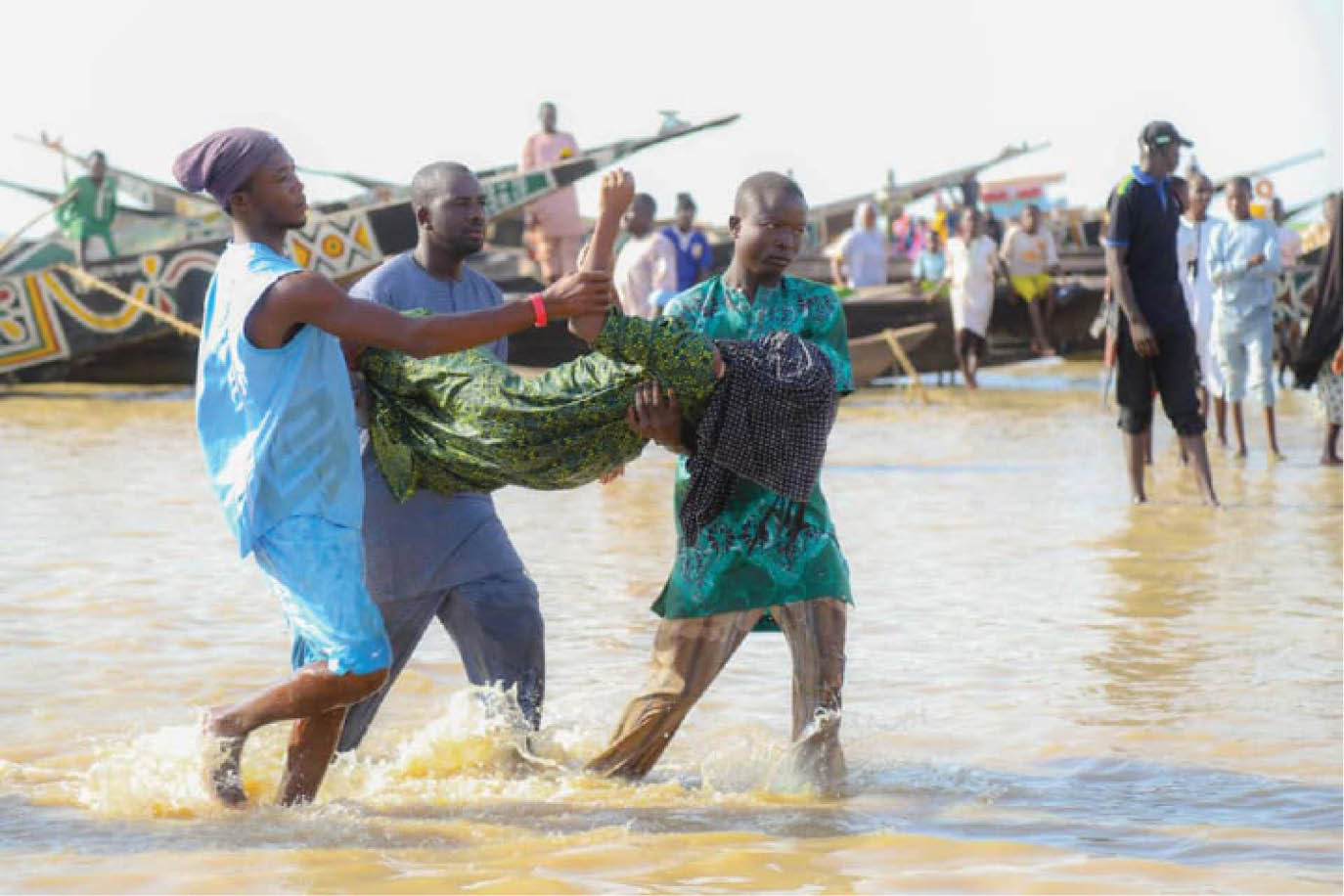
For the average Nigerian depending on waterways for daily mobility, the CVFF delays have translated into tangible hardship.
When Nigerian boat owners cannot access capital, they cannot buy new vessels. When they cannot buy new vessels, they cannot enter markets or expand routes. When they cannot expand routes, foreign operators fill the gap through waivers or illegal operations. When foreign operators dominate, prices remain high and service remains poor.
The mathematics are simple:
- High fares: A passenger traveling between creeks in the Niger Delta might pay rates set without genuine local competition.
- Poor schedules: Routes lack sufficient capacity, forcing commuters to wait hours or accept overcrowded conditions.
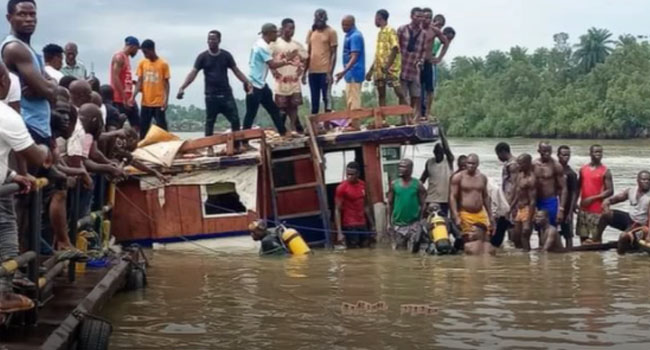
- Safety risks: Without a robust domestic fleet, safety standards on local waterways remain weak.
- Limited economic opportunity: Communities dependent on water transport remain disconnected from regional trade.
If the CVFF finally works, the reverse should happen: Nigerian boat owners enter protected markets with new, financed vessels. Competition increases. Fares drop. Services improve. Safety standards rise.

But that is a massive if.
THE SKEPTICISM IS EARNED
Captain Obi’s skepticism is not paranoia. It is the reasonable response of someone who has watched four government announcements produce zero results.
Ask any maritime lawyer, shipowner, or maritime journalist covering the sector, and you will hear variations of the same concern:
Does this government actually intend to follow through, or is this another cycle of announcements designed to mollify the maritime lobby while maintaining the status quo?
The evidence for skepticism is substantial:
- A 22-year track record of inaction—the longest delays in African cabotage financing anywhere on the continent.
- Bureaucratic letharness—Multiple agencies (NIMASA, Finance Ministry, Commercial Banks) must align. Without sustained executive pressure, delays cascade.
- Political prioritization—Maritime development, while important, has never been a top budget priority relative to oil, roads, or power.
- Financing constraints—The 50% NIMASA subsidy requires government funds. If fiscal pressures hit (lower oil revenues, exchange rate crises), the fund could be starved of resources.
- Banker foot-dragging—The five PLIs agreed to participate in 2022 but have not demonstrated urgency in loan processing or competitive interest rates.
- Trust deficit—A 2021 court order demanding NIMASA disclose CVFF accruals signaled that boat owners did not trust the agency’s stewardship of the fund.
Still on CVFF:
CVFF: THE CRITICAL PERIOD AHEAD
THE LOAN THAT COULD CHANGE EVERYTHING—WHY BOAT OWNERS REMAIN SKEPTICAL
HOW THE CVFF APPLICATION AND DISBURSEMENT PROCESS WORKS
© waterwaysnews.ng | Part 2 of 4-Part Investigation
Pingback: HOW THE CVFF APPLICATION AND DISBURSEMENT PROCESS WORKS - Water Ways News
Pingback: CVFF: THE CRITICAL PERIOD AHEAD - Water Ways News