Blue Economy
CVFF: THE CRITICAL PERIOD AHEAD

By Bode Animashaun, Nigeria Waterways Maritime News Correspondent


The next 180 days (February–July 2026) are crucial. During this period:
- Portal applications will accumulate
- NIMASA will conduct appraisals
- PLIs will make lending decisions
- The first disbursements (if they happen) will occur
If the government follows through, we should see measurable progress:
- First approvals announced by April 2026
- First disbursements by June 2026
- New vessels registered and operational by September 2026
If the pattern of delay repeats, we will see:
- Slow application processing
- Requests for additional documentation
- Disputes between NIMASA and PLIs
- Continued inaction by September 2026

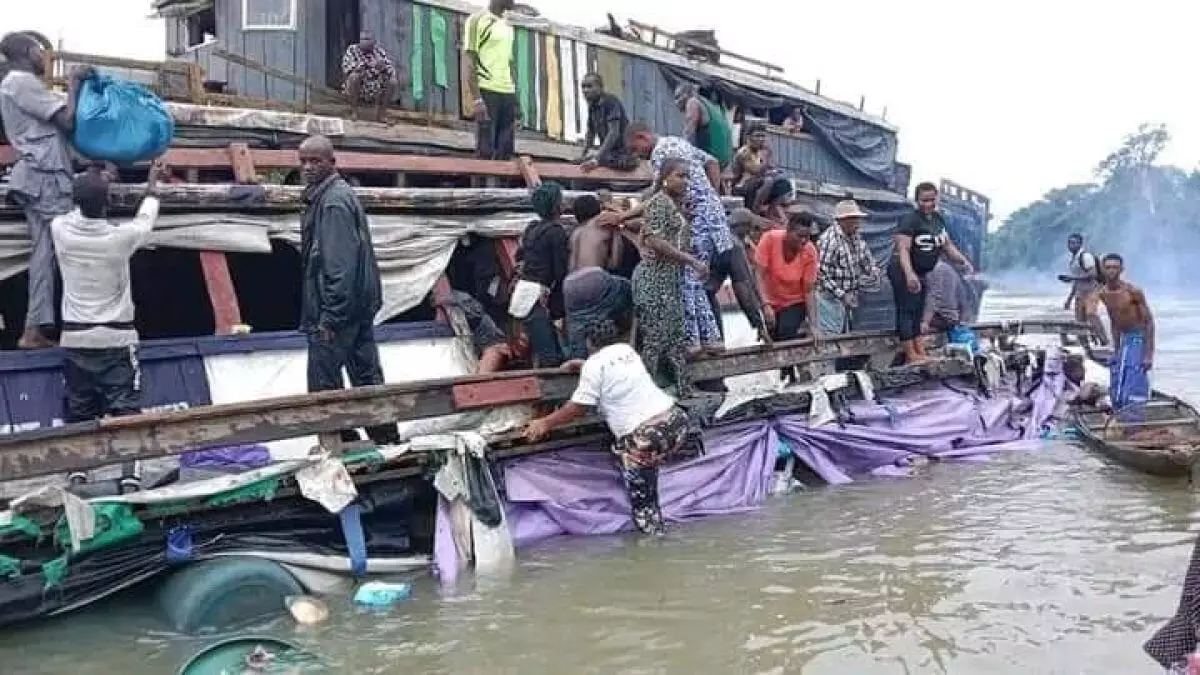
WHAT HAPPENS TO WATER TRANSPORT IF THE CVFF FAILS AGAIN
The cost of another failure is not abstract. It is felt by Miss Isioma, Captain Adekunle, and millions of Nigerians depending on water transport.
If CVFF fails again, the likely outcomes are:
- Accelerated Aging of Domestic Fleet: Boat owners, having exhausted options, will continue to operate aging vessels. Safety risks increase. Maintenance costs consume more of their revenue.
- Foreign Operator Dominance Continues: Without a challenge from financed Nigerian competitors, foreign operators will continue to dominate protected cabotage routes through waivers or shadow operations. Nigeria’s blue economy remains weak.
- Fares Remain High: Competition does not increase. Water transport users continue to pay premium fares, reducing economic opportunity in waterside communities.
- Institutional Crisis: NIMASA’s credibility erodes further. Maritime stakeholders may pursue legal action to reclaim CVFF contributions as mismanaged public funds.
- Broader Economic Impact: A fifth blue economy initiative collapses. Investors lose confidence in government maritime policy.
BOTTOM LINE
The CVFF is not a miracle cure. It is a financing mechanism—necessary but not sufficient. Even if every loan disburses perfectly, success requires:
- Boat owners who execute their business plans effectively
- Global maritime markets that remain stable
- Political commitment to enforce cabotage protection
- Continued government funding for the subsidy component
But the CVFF is a necessary first step. Without it, the status quo persists: aging fleets, high fares, foreign dominance, and squandered economic potential on Nigeria’s waterways.
The question now is: Will the government finally walk the talk?
The next six months will answer that question.
QUICK REFERENCE:
THE WOODEN VESSEL TRAP VS. CVFF ESCAPE
| Scenario | Wooden Vessel Business (Current) | CVFF Transition (Modern Vessels) |
|---|---|---|
| Monthly Revenue | ₦1.2–1.6 million | ₦4.5–5.5 million (after transition) |
| Monthly Operating Costs | ₦2.025 million | ₦2.2–2.4 million |
| Monthly Profit/Loss | -₦425,000 to -₦825,000 | ₦2.1–3.3 million |
| Annual Profit/Loss | -₦5.1 to -₦9.9 million | ₦25.2–39.6 million (before debt service) |
| Vessel Condition | Wooden, aging, high maintenance | Modern steel, efficient, reliable |
| Business Status | Sinking | Sustainable |
© waterwaysnews.ng | Published Tuesday, [DATE]
Still on CVFF:
THE 22-YEAR WAIT: A CHRONOLOGY OF BROKEN PROMISES
HOW THE CVFF APPLICATION AND DISBURSEMENT PROCESS WORKS
THE LOAN THAT COULD CHANGE EVERYTHING—WHY BOAT OWNERS REMAIN SKEPTICAL
© waterwaysnews.ng | Part 2 of 4-Part Investigation