Labour and Trade Union
WABOTAN Reaffirms Commitment to Payment of Maritime Workers’ Union Dues, Calls for Collaborative Approach to ensure Waterways Safety


WABOTAN Reaffirms Commitment to Payment of Maritime Workers’ Union Dues, Calls for Collaborative Approach to ensure Waterways Safety
Boat owners association pledges continued remittance of workers’ union dues while advocating for enhanced safety measures on Nigeria’s inland waterways
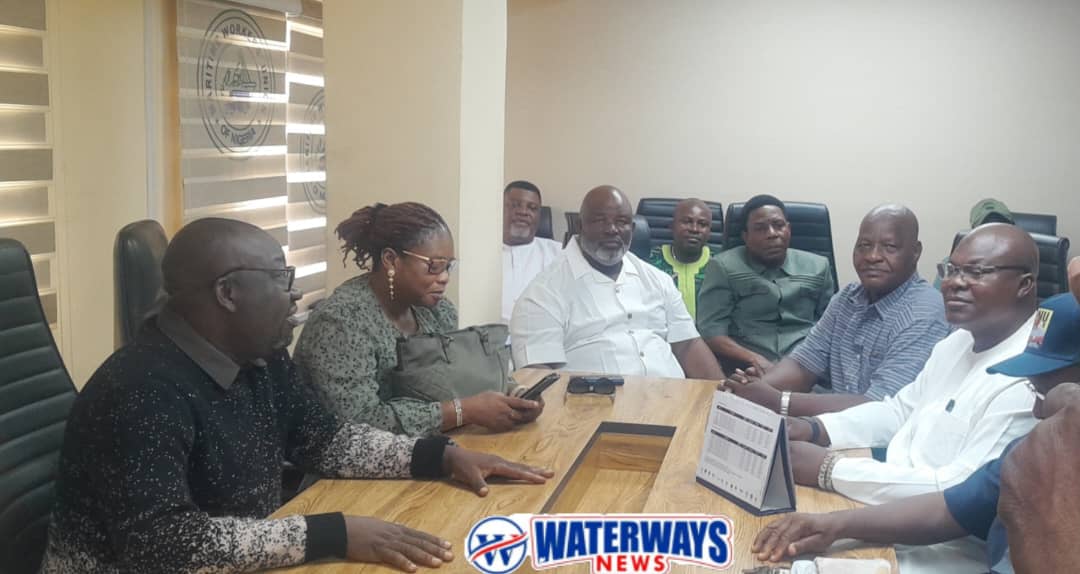
The Waterfront Boat Owners and Transporters Association of Nigeria (WABOTAN) has reaffirmed its commitment to remitting boat workers’ union check-off dues to the Maritime Workers Union of Nigeria, while calling for a comprehensive approach to addressing safety challenges on the nation’s inland waterways.
The commitment was reiterated during a strategic meeting held on August 14, 2025, at WABOTAN’s national secretariat, bringing together the association’s Think-Tank committee and representatives from the Lagos Commercial Private Boat District of the Maritime Workers Union of Nigeria.

Speaking at the meeting, WABOTAN National President Mr. Babatope Fajemirokun emphasized the urgent need for collective action in addressing waterways safety challenges.
“It’s time to set the records straight in the Nigerian inland waterways of the nation,” Fajemirokun stated. “In the midst of these boat mishaps happening all around our waterways, there should be a point where we all take the necessary steps to ensure safety on our waterways.”
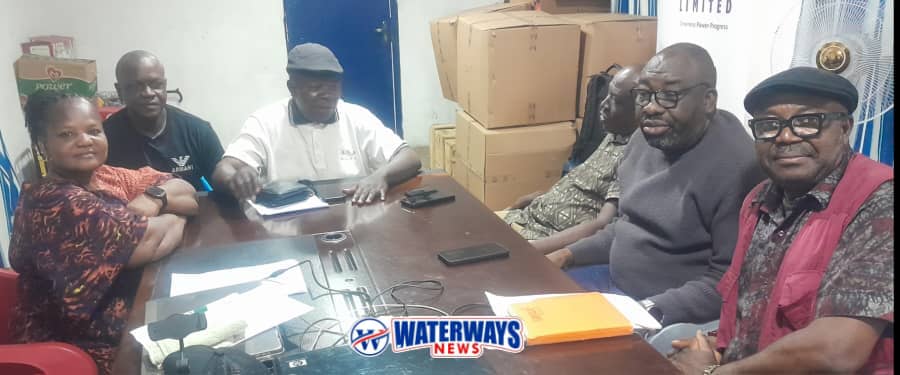
The meeting represents a continuation of collaborative efforts that began in May 2025, when WABOTAN’s National Executive Council paid a courtesy visit to the Maritime Workers Union of Nigeria’s national secretariat for discussions with President General Comrade Francis Bunu and other national executives.
The association’s renewed commitment comes as the federal government implements recommendations from a special committee on boat accidents established by the Honourable Minister of Marine and Blue Economy.
“On the submission of the committee report, the federal government is playing their part in curbing this ugly trend on the nation’s waterways, and the private sector must also play their roles,” Fajemirokun explained.
The WABOTAN president stressed that while associations advocate for reduced operational costs, equal attention must be paid to workers’ welfare, highlighting the crucial role of workers’ unions as the voice of maritime workers.
Fajemirokun outlined a vision for enhanced collaboration between three key stakeholders: regulatory agencies, private sector operators, and workers’ unions.
“We must jointly collaborate with the regulatory agencies, the private sector, and our workers’ union, who are the voices of the workers, to secure the waterways,” he emphasized.
A significant portion of the discussion focused on the critical need for continuous training and retraining of boat workers, with particular emphasis on making essential licensing and certifications more accessible and affordable. Fajemirokun called on the Managing Director of the Nigerian Inland Waterways Authority (NIWA) to establish a tripartite committee comprising the authority, operators, and the Maritime Workers Union of Nigeria.
This proposed committee would specifically address training and retraining programs for inland waterways boat workers, including the development of affordable certification pathways that would not burden operators with excessive costs while ensuring proper skill development.
“We cannot compromise on safety, but we also recognize that expensive licensing requirements can create barriers for our workers and small-scale operators,” Fajemirokun noted. “We need certification programs that are both comprehensive and economically viable for our maritime workforce.”
The focus on affordable licensing and certification represents a recognition that safety improvements must be economically sustainable for the predominantly small-scale operators who dominate Nigeria’s inland waterways sector.
“When we make professional development affordable and accessible, we create a culture of continuous improvement that benefits everyone – workers, operators, passengers, and the entire maritime industry,” Fajemirokun emphasized.
This proposed approach to training and certification represents a proactive strategy to prevent accidents through improved human capacity while ensuring that cost considerations do not become barriers to professional development in the maritime sector.
The meeting and subsequent commitments signal a maturing approach to waterways management in Nigeria, where stakeholders are moving beyond individual interests toward collective responsibility for safety and operational excellence.
The collaboration between WABOTAN and the Maritime Workers Union of Nigeria demonstrates recognition that sustainable waterways operations require balancing business interests with worker welfare and safety standards, while ensuring that professional development opportunities remain within reach of the maritime workforce. As Nigeria continues to develop its blue economy potential, such partnerships between operators, unions, and regulatory bodies may serve as a model for other maritime sectors seeking to enhance safety while maintaining operational viability through affordable and accessible professional development programs.

Labour and Trade Union
MWUN PRESIDENT-GENERAL FRANCIS BUNU HONOURED WITH IMPACTFUL LEADERSHIP AWARD BY LANDMARK AFRICA MEDIA
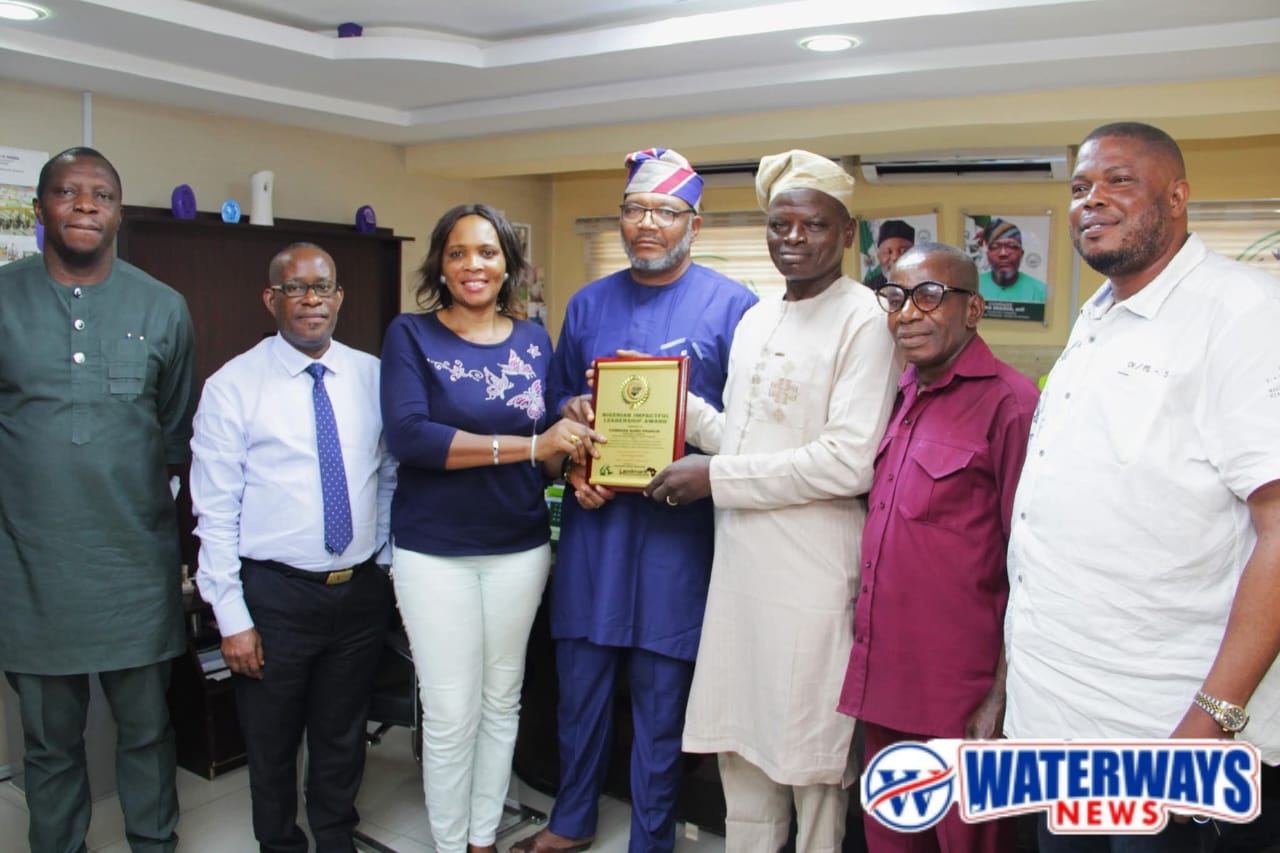
MWUN PRESIDENT-GENERAL FRANCIS BUNU HONOURED WITH IMPACTFUL LEADERSHIP AWARD BY LANDMARK AFRICA MEDIA
The Maritime Workers’ Union of Nigeria (MWUN) is proud to announce that its President-General, Comrade Francis Bunu Abi, has been conferred with a distinguished award by Noble Landmark Africa Media Magazine in celebration of Nigeria’s 65th Independence Anniversary.
The award, which recognises outstanding contributions to Nigeria’s socio-economic and political landscape, was presented to Comrade Bunu in acknowledgment of his remarkable footprints in the nation’s labour and maritime sectors within a relatively short tenure at the helm of the Union.
Noble Landmark Africa Media Magazine, in its citation, described Comrade Bunu as one of Nigeria’s foremost labour leaders, highlighting his uncommon blend of innovation, clarity of purpose, and exceptional leadership acumen that has not only transformed the Maritime Workers’ Union but has also resonated across the broader labour movement in the country.
The management of the publishing outfit particularly noted that Comrade Bunu’s rise from the grassroots of trade unionism speaks volumes about his character and commitment. Long before assuming the office of President-General, he had consistently demonstrated that labour activism is not defined by rhetoric or oratory, but by deliberate and impactful action — a quality that ultimately earned him the “Impactful Leadership Award.”
Though Comrade Bunu was unavoidably absent at the award presentation ceremony, he expressed heartfelt gratitude to the management of Noble Landmark Africa Media for recognising his contributions and finding him worthy of such an honour. His appreciation was conveyed through the Secretary-General of MWUN, Comrade Oniha Erazua, who received the plaque on his behalf.
The Union’s management equally commended the publishers for their commitment to objective and truth-driven reportage of maritime industry affairs, urging them to sustain the standard.
Comrade Kenedy Ikemefuna
Head of Media
Maritime Workers’ Union of Nigeria (MWUN)
Blue Economy
PARTNERS ON THE WATER: Maritime Workers’ Unions and the Battle to Develop Nigeria’s Inland Waterways Sector
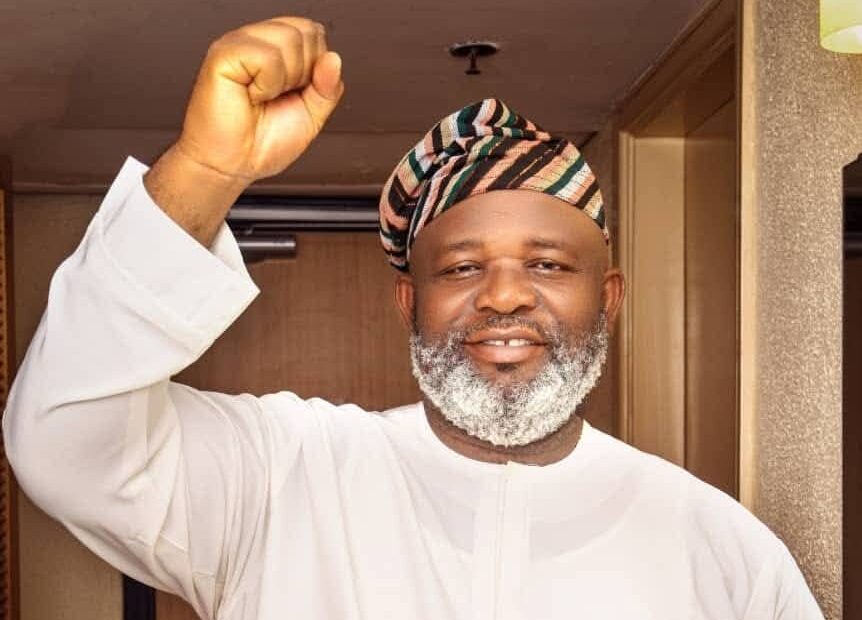
PARTNERS ON THE WATER:Maritime Workers’ Unions and the Battle to Develop Nigeria’s Inland Waterways Sector
By the Nigerian Waterways News Special Investigations Desk, Lagos | February 20, 2026
Nigeria’s inland waterways span more than 10,000 kilometers of rivers, creeks, and channels, connecting 28 of the country’s 36 states. They represent one of the most underutilized transport assets on the African continent. And as the Federal Government, through its newly established Ministry of Marine and Blue Economy, pushes to unlock that potential, the Maritime Workers’ Union of Nigeria (MWUN) — the country’s principal labour organization in the sector — has been working from multiple angles to shape, support, and at times challenge that effort.
This is a report about what that engagement looks like in practice: from wage negotiations and safety advocacy to partnerships with regulators and the challenge of absorbing a workforce that, for the most part, has never held a formal contract.
The Union and Its Sector
The Maritime Workers’ Union of Nigeria was formed in 1996, when the Federal Government merged four separate maritime labour organizations into a single industrial union.
Affiliated to the Nigeria Labour Congress (NLC), MWUN represents sailors, dockworkers, ferry operators, and port support staff across the country’s seaports and inland waterway terminals.
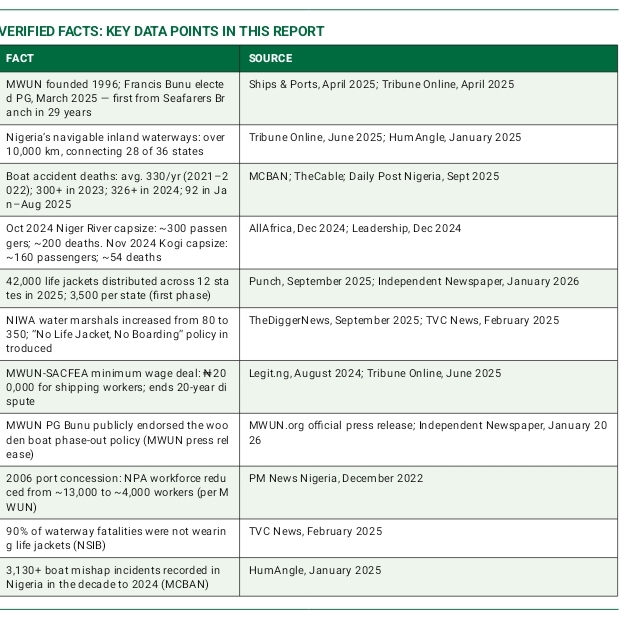
In March 2025, the union held its 6th Quadrennial National Delegates Conference at Festac Town, Lagos, at which Comrade Francis Abi Bunu was elected President-General, unopposed. Bunu succeeded Comrade Adewale Adeyanju, who had led the union for eight years. The election was notably the first time in MWUN’s 29-year history that a president-general had come from the Seafarers Branch of the union.
Bunu’s background is directly relevant to the inland waterways discussion. Before his election, he served as President of the Seamen/NIWA and Water Transportation Branch of MWUN — the branch that deals specifically with river and inland waterway workers. His ascent to the presidency was welcomed by the Barge Operators Association of Nigeria (BOAN), which had recently initiated a formal collaboration with MWUN to improve operations and strengthen engagement with government regulators, including NIWA and NIMASA.
The Scale of the Safety Crisis
Any honest discussion of MWUN’s role in developing Nigeria’s waterways must begin with the body count. Boat accidents on Nigeria’s inland waterways kill hundreds of people every year, and the data — such as it is — tells a grim story.According to the Marine Crafts Builders Association of Nigeria (MCBAN), the average annual death toll from boat accidents in 2021 and 2022 was approximately 330. In 2023, over 300 lives were lost, with Kwara and Anambra states recording the highest casualties, according to a report by The Cable.
The 2024 figures were no better: at least 326 confirmed deaths, an increase of 8.67 percent over 2023, according to The Cable’s count, with Niger and Kwara states leading casualties. Some accounts put the 2024 toll as high as 452, reflecting the difficulty of consistent data collection across remote riverine communities.
Among the most devastating single incidents in recent memory was the October 3, 2024, capsizing of a wooden dugout canoe on the River Niger — carrying an estimated 300 passengers — which resulted in nearly 200 deaths. A second major incident followed on November 29, 2024, on the Dambo-Ebuchi waterways in Kogi State, where a vessel with over 160 passengers capsized, killing approximately 54 and leaving an unknown number unaccounted for.
The root causes have been extensively documented: overloaded and poorly maintained wooden vessels, absent life jackets, unlicensed operators, no mandatory passenger manifests, night sailing on unmarked waterways, and chronic under-enforcement by regulatory agencies.
As the Independent Newspaper reported in October 2025, experts in the sector have consistently noted that NIWA, Marine Police, and State Waterways Authorities often operate in silos, with enforcement that is reactive rather than preventive.
MWUN’s Advocacy on Vessel Safety
MWUN has been publicly vocal on the need to modernise Nigeria’s waterway fleet. When Minister of Marine and Blue Economy Adegboyega Oyetola intensified his campaign in 2025 for state governments to phase out wooden commercial boats in favour of safer fibre-reinforced plastic and aluminium vessels, MWUN President-General Francis Bunu publicly endorsed the position. According to a press release published on the union’s official website, Bunu specifically lauded Oyetola’s stance on phasing out wooden boats as a necessary step toward curbing incessant waterways accidents.
“The safety of our citizens on water is not just a policy responsibility, it is a moral duty.” — Minister Adegboyega Oyetola, presenting the report of the Special Committee on the Prevention of Boat Mishaps, 2025
The Ministry of Marine and Blue Economy established a 16-member Special Committee on the Prevention of Boat Mishaps in February 2025, chaired by NIWA Managing Director Bola Oyebamiji. The committee’s recommendations fed into ongoing efforts to enforce the Inland Waterways Transportation Regulations 2023 — the Water Transportation Code — which was launched in April 2024 by Minister Oyetola at the NIWA headquarters in Lokoja.
NIWA’s enforcement response since 2023 has included increasing its water marshal deployment from 80 officers to 350; introducing mandatory passenger manifests at registered jetties; installing marine navigational buoys; and enforcing a “No Life Jacket, No Boarding” policy.
The Ministry distributed 42,000 life jackets across 12 riverine states in 2025, with each state receiving 3,500 in the first phase. The distribution began in Minna, Niger State. The results, while contested in their precise magnitude, show a measurable downward trend. Industry data shows fatalities dropped from the 2021–2022 average of 330 to 231 in 2024, and further to 92 in the first eight months of 2025 — a period during which NIWA claimed a reduction of up to 72 percent compared to the 2021–2022 baseline. Independent analysts have urged caution about the 72 percent figure, noting it compares eight months of 2025 data against a full-year baseline, and that late-year incidents typically account for a significant share of annual fatalities. A comparison between 2022 and 2024 yields a more defensible figure of approximately 30 percent reduction.
The 2025 Safety Sensitisation Campaign
Beyond endorsing government policy, MWUN has taken its own operational role in safety. In 2025, NIWA ran a waterways sensitization campaign under the theme “Safety and Safety Trip: Zero Tolerance to Boat Mishap, No Life Jacket, No Boarding.” A key highlight of the campaign was the inauguration of waterways marshals at the Zumba waterfront to enforce water transport regulations. MWUN’s network of members and branch structures in riverine communities has been identified as a channel through which safety messaging and compliance campaigns are amplified at the local level.
MWUN has also moved on its own account to bring previously non-unionised seafarers into the formal sector fold. Bunu led the union on a tour of Melsmore Marine Nigeria Limited at Ibeju Lekki in 2025 to sensitize workers there about unionization, flagging that many seafarers were working under hazardous conditions with inadequate health and safety provision. He noted that poor conditions on vessels had claimed the lives of crew members through communicable diseases contracted while at sea.
The Landmark Wage Agreement
On the labour relations front, MWUN achieved one of its most significant breakthroughs in recent years in 2024: the conclusion of a 20-year-old wage dispute in the maritime sector. The Shipping Agencies, Clearing and Forwarding Employers Association (SACFEA) and MWUN signed an agreement establishing a minimum wage of ₦200,000 for shipping industry workers employed by SACFEA members. The deal was brokered by Minister Oyetola and facilitated by the Nigerian Shippers’ Council.
Then-President-General Adewale Adeyanju, who was concluding his tenure as the deal was finalised, noted in his farewell briefing with journalists that Hull-Blyth Nigeria Limited initially declined to join the agreement, but subsequently agreed to pay the ₦200,000 minimum wage. The agreement is to be reviewed every two years.
“MWUN will always be open to any collaboration that will positively impact the industry.” — Comrade Francis Bunu, MWUN President-General, on the BOAN-MWUN partnership (Radarr Africa, May 2025)
MWUN and the Broader Development Agenda
MWUN has consistently framed waterways development as a national emergency, not merely an industry issue. During a National Executive Council meeting at Golden Tulip Hotel, Festac, Lagos, former President-General Adeyanju drew attention to the severe job losses from the 2006 port concession exercise — which he said reduced the NPA workforce from approximately 13,000 workers to just 4,000 — while calling on NIWA and NPA to urgently recruit more junior staff to man jetties and port terminals. NIWA’s then-Managing Director, Dr George Moghalu, confirmed at the same meeting that the authority was making preparations to expand its junior workforce.
The union has also called directly on the Federal Government to develop and fortify waterways as a means of effective transportation and employment generation, and to empower relevant agencies to regulate private boat operators and align their operations with economic development objectives.
MWUN’s position is that safety and development are inseparable: an unsafe waterways sector will never attract the investment or public confidence needed to grow.
On maritime security, Bunu has praised NIMASA’s achievements in combating piracy in the Gulf of Guinea — noting the improvement in safety and stability on Nigerian waters — and pledged that MWUN would mobilise its international affiliates to support Nigeria’s bid for a seat on the International Maritime Organization (IMO) Council. The union views Nigeria’s prominence in global maritime governance as directly linked to the credibility and development of its domestic waterways sector.
The BOAN-MWUN Partnership: A Model for Collaboration
One of the most concrete recent examples of union-industry collaboration is the partnership between MWUN and the Barge Operators Association of Nigeria. BOAN executives visited the newly elected President-General Bunu at MWUN’s offices in Apapa, Lagos, to formalise discussions on joint working, explicitly noting that MWUN’s scale and reach across the country’s maritime industry made it the natural partner for improving barge operations.
BOAN has been working in parallel with NIWA, NIMASA, the Nigerian Navy, the Nigeria Police, and the Lagos State Waterways Authority (LASWA) to improve coordination of waterway traffic. The partnership with MWUN adds a workforce dimension to that multi-agency framework. Observers have noted that if the BOAN-MWUN collaboration produces joint training programmes, improved communication between operators and workers, and better compliance with safety standards, it could serve as a replicable model for other segments of Nigeria’s inland waterways sector.
The Challenges That Remain
For all the genuine activity, the picture is far from resolved. Enforcement on Nigeria’s waterways remains chronically weak, even by the admission of regulatory officials. The National Safety Investigation Bureau (NSIB) has noted that more than two-thirds of all boat fatalities are drowning incidents, and that 90 percent of victims were not wearing life jackets at the time of their deaths — despite the existence of regulations mandating their use.
Nigeria recorded more than 3,130 incidents of boat mishaps in the ten years leading to 2024, according to data from the Marine Crafts Builders Association of Nigeria. The frequency of those incidents — on waterways that connect millions of Nigerians in communities where boats are the only viable means of transport — makes the pace of reform feel inadequate to many who live and work on those routes.The institutional fragmentation is also real. NIWA, state waterways authorities such as LASWA and RIWAMA, Marine Police, NEMA, and local government landing committees each have overlapping mandates and limited coordination. The union operates within that complexity, and its influence — though growing — cannot substitute for the institutional reform and sustained funding that the sector ultimately requires.
MWUN itself faces internal development challenges. The union’s new leadership under Bunu has inherited an organisation whose capacity to reach informal sector workers — the majority of those who operate on Nigeria’s inland waterways — remains limited. Formalisation of the workforce is a long-term project, and the economic precariousness of most informal boat operators makes the transition to structured employment genuinely difficult.
Conclusion: A Union at the Centre of a Necessary Conversation
Nigeria’s inland waterways development is not a single project — it is a decades-long national challenge involving infrastructure, regulation, workforce development, safety, and the economic inclusion of millions of riverine Nigerians.
The Maritime Workers’ Union of Nigeria is not the solution to that challenge. But the evidence of its activity — from the SACFEA minimum wage breakthrough, to Bunu’s public endorsement of the wooden boat phase-out, to MWUN’s partnership with BOAN, to its longstanding demands for NIWA and NPA recruitment — shows that the union is actively engaged with that challenge across multiple fronts.What the sector needs now, and what MWUN has begun to articulate with increasing clarity under its new leadership, is a framework in which the union’s knowledge of the workforce and the waterways is formally integrated into planning and development processes — not just consulted after decisions have been made, but engaged as a co-designer of the sector’s future. Nigeria’s rivers have been waiting long enough.
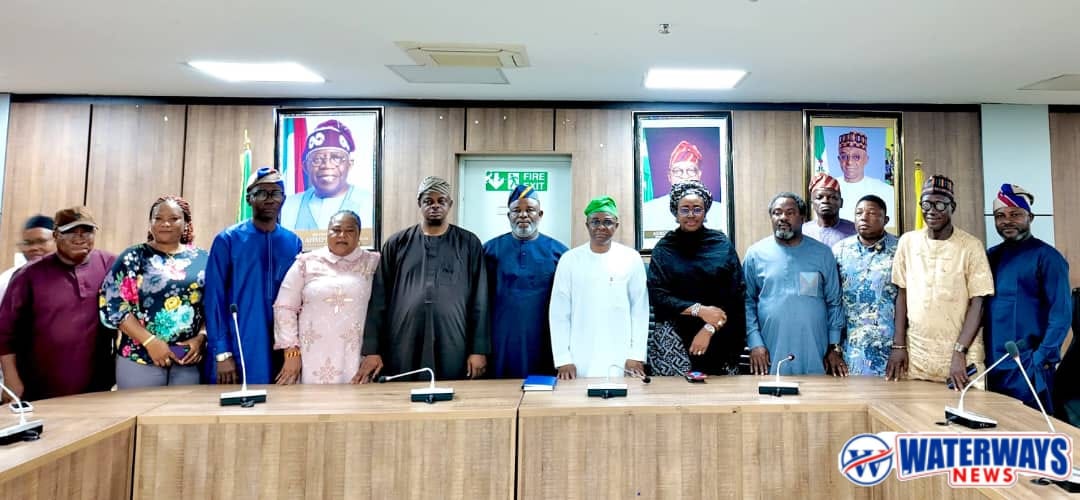
MWUN Leadership Holds Strategic Meeting with NPA Managing Director
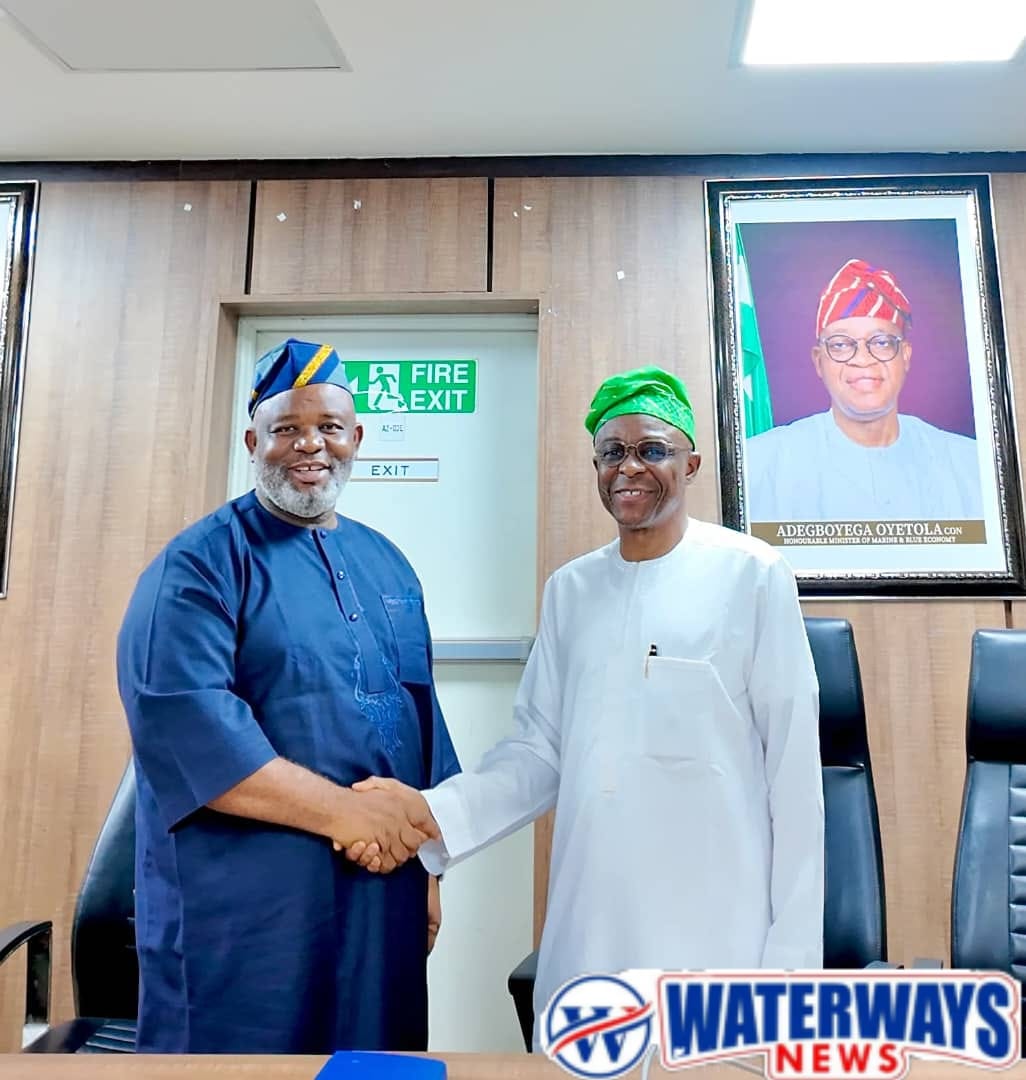
The newly elected leadership of the Maritime Workers’ Union of Nigeria (MWUN) paid a courtesy visit to the Managing Director of the Nigerian Ports Authority (NPA), Dr. Abubakar Dantsoho, at the agency’s Marina headquarters in Lagos on Wednesday.
Led by President-General Comrade Francis Bunu Abi, the union’s executive team met with Dr. Dantsoho and senior NPA officials in a session aimed at fostering collaboration between the two maritime stakeholders.
Speaking during the visit, Comrade Bunu emphasized the importance of strengthening the working relationship between the union and the ports authority.
“This visit is necessary to acquaint ourselves with each other, as the union and the Ports Authority are partners in progress in the maritime sector.
Both organizations cannot work in isolation,” he stated.
The MWUN leader also congratulated Dr. Dantsoho on Nigeria’s recent election to the International Maritime Organization (IMO) Category ‘C’ Council seat, secured through the efforts of the Minister of Marine and Blue Economy, Honourable Adegboyega Oyetola.
Describing the achievement as “laudable and giant,” Comrade Bunu said: “It’s a bold and fruitful step that has been achieved for the progress and advancement of Nigeria’s maritime industry.”
In his response, Dr. Dantsoho thanked the MWUN delegation and pledged continued collaboration with the union to enhance Nigeria’s maritime sector. He expressed commitment to making the country’s maritime industry “a hub of activities both locally and globally.”
The meeting underscores the importance of stakeholder engagement in driving growth within Nigeria’s maritime domain, as both organizations seek to advance the sector’s development agenda.
-
 Blue Economy2 weeks ago
Nigeria’s Coast Guard Bill: A Solution in Search of a Problem?
-
 News2 weeks ago
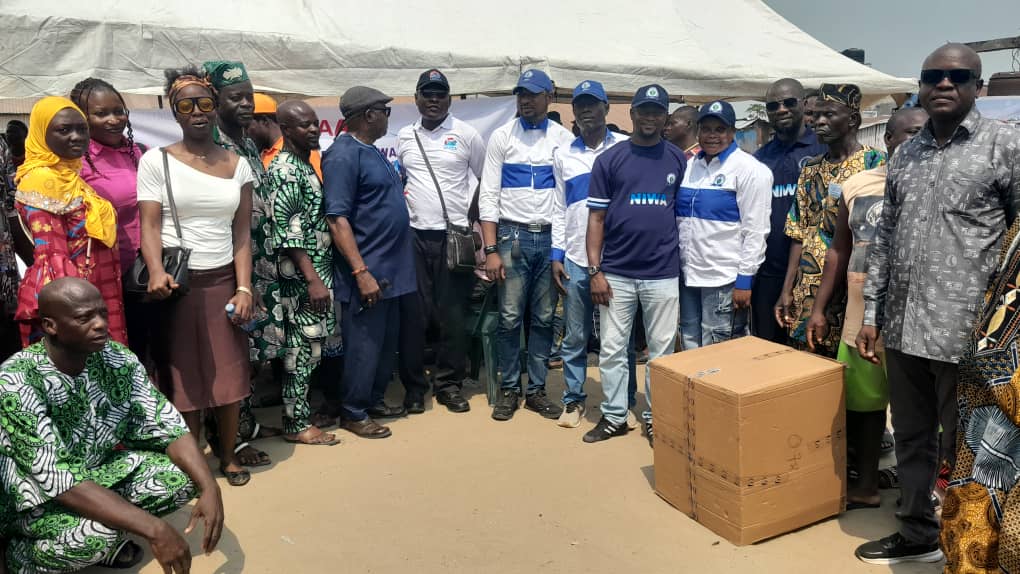
From Awareness to Action: How SWAAADO is Rewriting Nigeria’s Waterways Safety Story
-
 Blog3 weeks ago
SWAAADO Intensifies Waterways Safety Sensitization Campaign to Waterfront Communities in Lagos State.