
Op-Ed
Waterways Safety and Boat Mishaps – Guide to Preventing Tragedies on the Water


Introduction
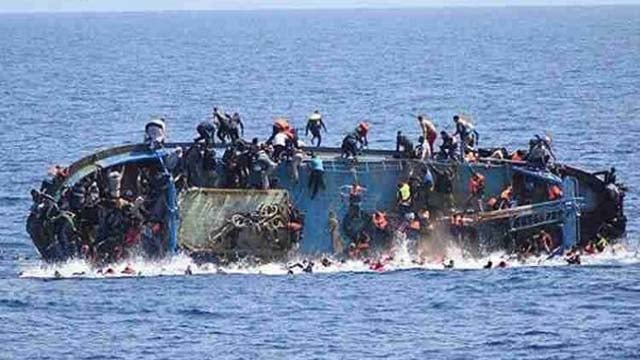
Nigeria’s rivers, lakes, and coastal waters serve as vital routes for people and goods. They support trade, fishing, and transportation for millions. But lately, boat accidents have increased, causing loss of life and property. Recent tragedies, like the 2023 Lagos boat disaster, remind us how dangerous waterways can be without proper safety measures. It’s clear that Nigeria needs stronger safety rules and more awareness. Protecting lives on water must become a national priority to prevent future tragedies.
The State of Waterways Safety in Nigeria

Overview of Nigeria’s Waterways Infrastructure
Nigeria has one of Africa’s largest networks of rivers and lakes. Major waterways connect cities, markets, and ports. These routes are crowded with traditional boats, ferries, and commercial vessels. But many vessels are old, poorly maintained, and lack safety fitments. While ports like Lagos handle huge cargo, safety infrastructure often falls short. Gaps in regulation and enforcement make these waterways risky for users. Small boats rarely have life jackets or navigational aids, increasing accident chances.
Common Causes of Boat Mishaps
Most boat accidents happen because of preventable issues. Common reasons include:
- Overloading boats with too many passengers or cargo
- Reckless or careless navigation by boat operators
- Poor vessel maintenance and outdated equipment
- Weather changes causing sudden storms or high waves
- Navigational hazards like shallow waters or submerged objects
- Lack of safety awareness among passengers and crew
Impact of Boat Mishaps
Boat accidents don’t just cause loss of lives; they create ripple effects. Data shows hundreds of casualties yearly, with many more injured. These mishaps also lead to economic setbacks for families and communities. Environmental damage follows when boats sink with fuel and chemicals onboard. Recent incidents like the Lagos ferry accident in 2023 highlight how dangerous neglect can be. These events shake the trust in water transport and demand urgent action.
Regulatory Framework and Government Initiatives
Existing Laws and Regulations
Nigeria has laws to control maritime safety. Agencies like the Nigerian Maritime Administration and Safety Agency (NIMASA) set rules for vessel safety and operation. Even so, enforcement remains a challenge. Many boats still run without permits or safety gear. Regulations often stay on paper instead of guiding daily operations. This weak oversight makes accidents more likely.
Government Programs and Policy Initiatives
To improve safety, the government has launched several programs. These include training for boat operators, vessel registration drives, and safety campaigns. Efforts are underway to update the boat fleet with modern vessels that meet international standards. Awareness programs target boat passengers, urging them to wear life jackets and follow safety rules. Despite these steps, more consistent enforcement and funding are needed for real change.
Expert Opinions and Recommendations
Maritime safety experts agree that stronger policies are essential. They recommend stricter regulation enforcement, regular safety inspections, and increased penalties for violations. Investing in modern rescue equipment and training crews to respond fast can save lives. Experts also suggest community engagement to help spread safety knowledge throughout coastal regions and inland waterways.
Best Practices for Waterways Safety
Safety Measures for Boat Operators
Boat operators are the first line of defense. They should:
- Regularly inspect and maintain their vessels
- Use safety equipment like life jackets and fire extinguishers
- Undergo proper navigational and safety training
- Avoid overloading and reckless speed
- Always check weather forecasts before setting out
Passenger Safety Tips
Passengers also have a role to play. They must:
- Follow safety instructions from crew
- Recognize risks of overcrowding
- Keep calm and avoid panic during emergencies
- Know basic emergency procedures
- Encourage crew to enforce safety standards
Community and Stakeholder Roles
Communities near water bodies can help promote safety. Local leaders can organize safety awareness events, encourage reporting unsafe vessels, and monitor compliance. Collaboration between government, NGOs, and the private sector can bring better safety tools and technology. Using GPS tracking and weather alerts can warn boat operators of dangerous conditions, saving lives.
Modern Technologies and Innovations Enhancing Waterways Safety
Technological Solutions
New tools are making water travel safer. Real-time vessel tracking systems help authorities monitor boat locations. Weather platforms provide timely alerts on storms or high tides. Automated safety devices can detect leaks or engine failures instantly. These innovations help prevent accidents before they happen.
Successful Case Studies
Countries like the Netherlands and Singapore have successfully used technology to cut boat mishaps. They use GPS, surveillance drones, and weather systems to keep waterways safer. Nigeria can learn from these models and adopt similar solutions, especially in busy ports and rivers.
Future Trends and Opportunities
The future holds smart tech like drone surveillance to monitor water routes constantly. Mobile apps for reporting hazards or emergencies could make safety reporting easier for boat passengers and operators. These tools will empower more people to act quickly when danger appears, reducing accidents.
Actionable Steps for Improving Waterways Safety in Nigeria
- Strengthen rules and make sure they are enforced strictly
- Invest in modern vessels and safety infrastructure
- Launch widespread safety training for operators and communities
- Promote safety culture through education and campaigns
- Use technology for real-time monitoring and alerts
- Encourage community participation in safety efforts
- Improve rescue capacity with better equipment and trained personnel
Conclusion
Waterways safety is crucial to Nigeria’s growth and people’s lives. Every stakeholder, from government to boat operators and communities, has a role to play. Implementing stronger laws, adopting new tech, and raising safety awareness can dramatically lower boat mishaps. The goal is simple: save lives and ensure waterways remain a safe way to travel and do business. We all have a part to play in making Nigeria’s water routes safer today and tomorrow.


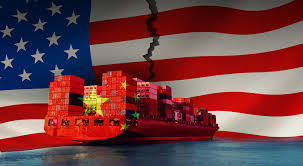
The ongoing trade war between China and the United States has changed global trade in many ways. Countries that once relied on China’s manufacturing power are now thinking of new options. Nigeria, with its large population and strategic location, stands to gain if it plays its cards right. Instead of sitting back, Nigeria can turn these shifts into chances to grow its economy. Here’s a look at how Nigeria can make the most of this situation.
The Impact of the China-US Trade War on Global Supply Chains
Disruptions and Realignments in Global Trade
The trade war has caused many companies to rethink where they produce goods. Some firms are moving factories from China to other countries like Vietnam, India, or Mexico. This means supply chains are changing fast, and new trade routes are opening up. Countries that attract these moving factories can see a boost in investments and jobs.
Opportunities for Developing Countries
Countries that had little manufacturing before are now getting new opportunities. Nigeria, with its large and growing market, has the chance to become an alternative manufacturing hub. Companies looking to diversify away from China will consider Nigeria because of its resources and strategic position.
Expert Insight
Trade analysts say these shifts could benefit countries that are ready. They note that Nigeria’s potential is now more visible because of the realignment of global supply chains. The key is for Nigeria to act quickly and attract new investments.
Nigeria’s Strategic Advantages Amid the Trade War
Geopolitical and Economic Positioning
Nigeria is Africa’s largest economy with a big, youthful population. Its location offers easy access to other African markets. This makes Nigeria an attractive spot for companies seeking to expand across the continent. A large market also means more opportunities for local businesses to grow.
Existing Infrastructure and Resources
Nigeria is rich in natural resources like oil, gas, and minerals. It also has some industries like agriculture and basic manufacturing. These resources can be used to support new investments, especially if the government improves infrastructure.
Policy Environment and Business Climate
Nigeria has started to offer incentives for foreign investors. Still, making it easier to do business is crucial. Improving transport, port operations, and electricity supply will make Nigeria more tempting for companies looking to relocate or invest.
Seizing Investment Opportunities in Key Sectors
Agriculture and Agro-Processing
Trade flows are changing, giving Nigeria a chance to export more farm products. Investing in processing facilities can turn raw materials into finished goods, increasing exports. For example, Nigerian rice and cocoa could see more markets opening in new trade routes.
Manufacturing and Light Industry
Nigeria has room to grow in textiles, electronics, and consumer goods. Some local companies already expand their reach, attracting new investors. More foreign factories could set up here if the business environment improves.
Technology and Digital Services
Nigeria’s tech scene is booming. Startups are developing apps, e-commerce platforms, and digital tools fast. The country has talented young people eager to innovate. This creates an opportunity for foreign tech firms to partner or invest.
Strengthening Nigeria’s Trade and Diplomatic Relations
Building Alliances with China and the US
Nigeria can boost its trade ties with both countries. Staying friendly with China and the US can help Nigeria secure more investment deals. It might also act as a middleman to facilitate new trade agreements.
Regional Integration and Trade Blocs
Joining regional groups like ECOWAS and the African Continental Free Trade Area (AfCFTA) can open doors to more markets. Nigeria could export more goods within Africa, boosting its economy and creating jobs.
Actionable Tips
- Set up agencies to promote trade and investment clearly.
- Highlight Nigeria’s competitive edges, like its resources and land.
- Attend international trade fairs and business forums regularly.
Challenges and Risks to Overcome
Infrastructure and Logistics Bottlenecks
Getting goods across Nigeria remains slow and expensive. Improving roads, ports, and power supply can help attract more factories and exporters.
Political and Economic Stability
Consistency in policies makes Nigeria more appealing. Sudden changes can scare away investors. Keeping politics stable and transparent is essential for long-term growth.
Capacity Building and Skills Development
Many Nigerian workers lack specific skills. Reforms in education and vocational training can fill this gap. Working with international partners can speed up skill development.
Conclusion
Nigeria faces a real chance to grow from the China-US trade war. By focusing on key sectors, improving infrastructure, and building strong trade links, Nigeria can become a regional leader in trade and manufacturing. The country needs to act fast and smart to attract investments and create jobs. Embracing reforms, fostering partnerships, and investing in people will shape Nigeria’s bright future as a major trade hub in Africa. Now is the time to turn these economic shifts into lasting success.
-
 Blue Economy2 weeks ago
Nigeria’s Coast Guard Bill: A Solution in Search of a Problem?
-
 News2 weeks ago
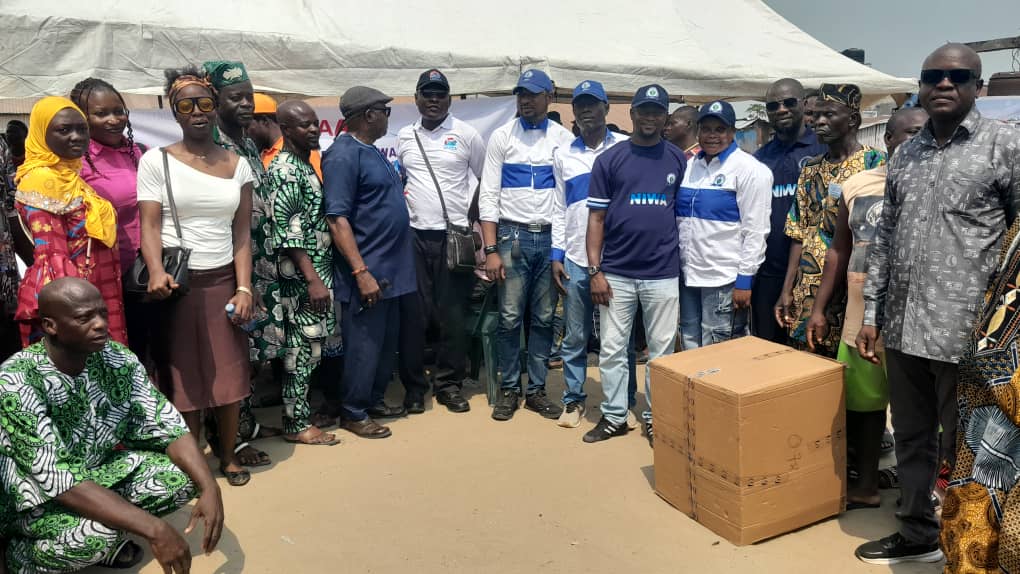
From Awareness to Action: How SWAAADO is Rewriting Nigeria’s Waterways Safety Story
-
 Blog3 weeks ago
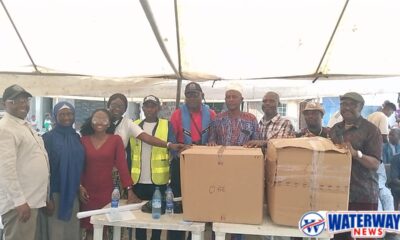
SWAAADO Intensifies Waterways Safety Sensitization Campaign to Waterfront Communities in Lagos State.