Tourism
Safeguarding Nigeria’s Wildlife Haven: The Story of Yankari Game Reserve.

A Natural Treasure in Nigeria’s Heartland
Nestled in the northeastern region of Nigeria, Yankari Game Reserve stands as a testament to West Africa’s remarkable biodiversity. Spanning 2,244 square kilometers in Bauchi State, this protected area represents Nigeria’s most precious wildlife sanctuary—a verdant oasis teeming with life in a region increasingly challenged by habitat fragmentation and human pressure.
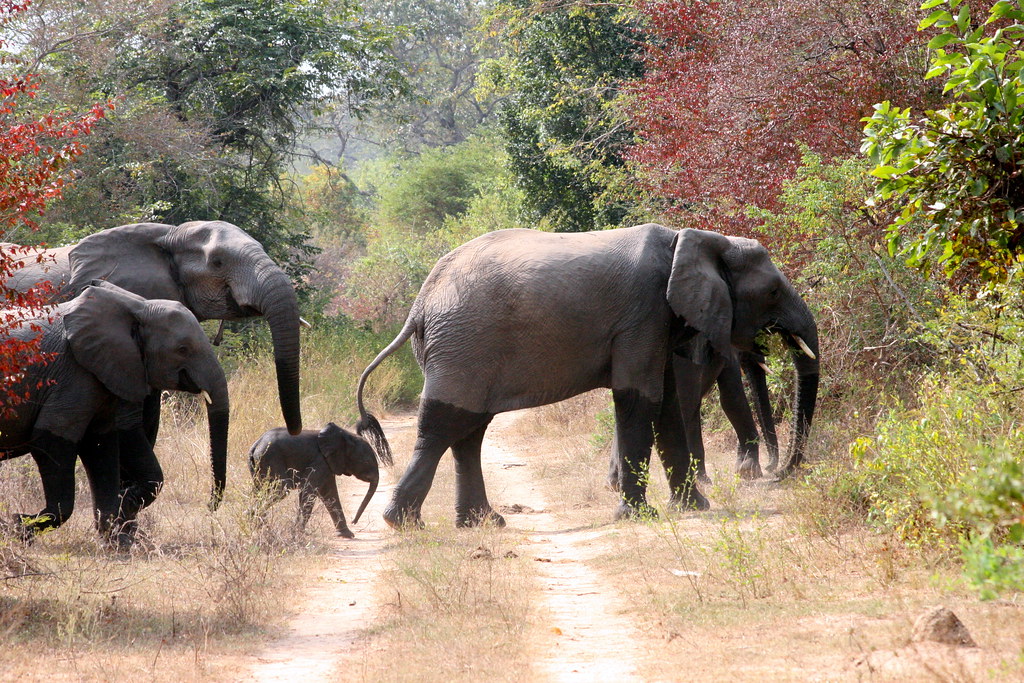
Yankari’s significance extends far beyond its boundaries. The reserve shelters between 100-150 elephants, which may seem modest by East African standards, but represents the only viable elephant population remaining in Nigeria and one of the most important in West Africa. These majestic creatures share their home with the critically endangered West African lion—remarkably, Yankari harbors one of only four known surviving populations of this distinct lion subspecies.
The diversity doesn’t end there. African buffalo graze across the savanna landscapes, while hippopotamuses cool themselves in the waterways. Roan antelope and hartebeest represent just a fraction of the antelope species that dart through the grasslands. Together, these animals form a complex ecosystem that has persisted despite mounting pressures.
Yankari’s journey as a protected area began in 1956 when it was established as a game reserve. In recognition of its ecological importance, it was elevated to national park status in 1991 and placed under the management of Nigeria’s National Parks Service. However, in 2006, management responsibility transferred back to Bauchi State Government—a pivotal moment that would later prove challenging for conservation efforts.


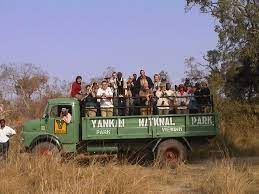
Today, Yankari has emerged as one of Nigeria’s premier tourism destinations. Visitors from across the country and beyond come to experience its natural splendor, contributing to its growing popularity and economic significance for the region.

The Shadow of Extinction: Conservation Challenges
The transfer of management to Bauchi State Government in 2006 marked the beginning of a difficult period for Yankari. Insufficient funding and management neglect created vulnerabilities that poachers were quick to exploit. The situation deteriorated to the point where poachers operated with alarming boldness—sometimes even near the tourist camp at the reserve’s heart.
Elephants, with their ivory tusks, became prime targets. Unverified reports suggest that substantial numbers were killed to supply Nigeria’s illegal ivory trade—a devastating blow to an already vulnerable population. The crisis extended beyond direct poaching as human-wildlife conflict intensified along the reserve’s boundaries.
When elephants ventured beyond the protected area and damaged crops, affected communities understandably grew resentful. This tension eroded local support for conservation efforts and sometimes led communities to assist poachers from outside the region—creating a dangerous cycle that threatened the elephant population’s survival.
The reserve’s other large mammals faced similar pressures as they were hunted to supply the lucrative bushmeat trade. Beyond the immediate conservation concern, this poaching undermined Yankari’s ecotourism potential by reducing wildlife sightings—a critical factor for visitor satisfaction and the reserve’s economic sustainability.

Turning the Tide: A Collaborative Conservation Approach
A significant turning point came in 2014 when the Wildlife Conservation Society (WCS) entered into a Memorandum of Understanding with Bauchi State Government for the co-management of Yankari. This partnership granted WCS full responsibility for the ranger program—a critical element in any protected area’s defense system.
The results were remarkable. Protection levels improved significantly, and both hunting and illegal livestock grazing decreased dramatically. This success stemmed from a comprehensive approach that addressed multiple aspects of conservation management:
Enhanced Ranger Operations
At the core of Yankari’s resurgence lies the implementation of SMART-based ranger patrols (Spatial Monitoring and Reporting Tool). This system represents more than just technology—it’s a comprehensive approach to protected area management that combines software, training methodologies, and standardized practices.
WCS revitalized the ranger force through intensive training programs, strict supervision protocols, and improved working conditions. Rangers received essential field equipment, camping allowances, and field rations. To boost morale and effectiveness, an incentive system included arrest bonuses that rewarded diligent protection efforts.
These changes curtailed opportunities for corruption while simultaneously boosting morale and discipline throughout the ranger force. As patrol effectiveness increased, hunting levels declined, allowing wildlife populations to stabilize and begin recovering.
Technological Innovations
The conservation team didn’t rely solely on ground patrols. They integrated aerial support for surveillance, creating a multilayered protection system. These aerial patrols detected illegal activities that might escape ground teams and guided law enforcement efforts more efficiently.
Perhaps most innovative was the deployment of GPS/satellite collars on elephants. This technology established real-time monitoring of elephant movements, allowing rangers to anticipate where protection was most needed. Rather than stretching limited resources across the entire reserve, patrols could be directed to areas frequented by elephant herds—a strategic approach that maximized impact.
Community Engagement
Recognizing that long-term conservation success depends on local support, WCS initiated conservation education programs in communities surrounding Yankari. The approach was elegantly simple yet profound: provide opportunities for local schoolchildren to visit the reserve.
Remarkably, many children living along Yankari’s boundaries had never entered the protected area despite its proximity. By experiencing the reserve firsthand, these young people could develop personal connections to their natural heritage. This strategy plants seeds for generational change in attitudes toward conservation and wildlife protection.
The Road Ahead
As successful as these interventions have been, the work continues. WCS maintains its commitment to supporting Bauchi State Government in protecting Yankari Game Reserve and its irreplaceable biodiversity. The focus remains on safeguarding elephant and lion populations while ensuring the reserve’s broader ecological health.
Yankari’s story illustrates both the challenges and possibilities in African conservation. Despite facing serious threats, collaborative efforts between government authorities, conservation organizations, and local communities have begun to reverse the decline. With continued dedication and support, this wildlife haven may not only survive but thrive as a cornerstone of Nigeria’s natural heritage for generations to come.
For the elephants that trumpet across its savanna and the lions that roar in its night, Yankari represents their last, best hope in Nigeria—a responsibility that conservationists carry with determination and growing optimism.